
Five Days in Eaglenest Wildlife Sanctuary: Abode of mist, tragopans and Trogons
Gobind Sagar Bhardwaj
We were winding uphill to Tenga from Balukpong, full of enthusiasm and expectations as finally we were about to savor the much awaited birding trip we had so meticulously planned, but suddenly like a rollercoaster ride our shooting zeal came crashing down. The ongoing road widening project on our route had played havoc in that pristine forest, minimizing our bird encounter rate. Thousands of tons of muck (debris) was chiseled and dumped on the slope that had destroyed the whole biota in several hundred meters which was many folds in comparison to the real widened road. For last two months we were preparing for the visit to Eaglenest Wildlife Sanctuary. Being government servants, for me and my friend Subharanjan Sen, getting leave sanctioned was one of the major challenges in planning such trips. Moreover, inner line permits, availability of suitable flights, accommodation in remote localities for birding and getting negative COVID-19 report are additional hurdles for finalizing the trip. After crossing all of the hurdles, finally when one gets to the doorway of the dreamland, such scenarios dampens all the warmth and punctures the balloon of soaring spirit.

Diversion for road widening in this pristine forest may be few meters wide. But the actual slicing of all active biotic layers due to shoveling muck down the slope is several hundred meters wide. Nature will take years to stabilize this micro geology and decades for biota. We certainly need roads in strategic areas where the intentions of neighbors are suspicious. We also have strict laws, rules and permissions too, but with certain riders. Do contractors follow muck disposal plans? Do authorities check implementation of these riders/conditions? Or we are mere spectators?
Our day, 28th of March, 2021, had kick started with a short birding trip in Nameri Tiger Reserve which was a perfect start to our trip. After a 10 km track in Nameri, albeit we were physically exhausted but it recharged us mentally and with much excitement we started our onward journey to Tenga from Baliwara tented resort at 1130 hours.
After the damp squib experience due to road widening project, we finally came out of despondency the moment we got glimpse of the serene forest after crossing Tenga ledge at around 1600 hours. Engrossed in the natures beauty we didn’t realize that the dusk was round the corner and we had reached the Lama camp at Singchum bugun community reserve where we stopped for a brief tea break. A hot cup of tea with some tantalizing snacks gave us the energy to continue our concluding part of journey. It was cold enough to don our woolens and we were ready to zoom towards our final destination, the Bompu Camp in Eaglenest.
The meandering kuccha road not less than 35 kilometers till Bompu was so bumpy and rugged that the journey took 5 hours. On the way, a number of piles of fresh elephant dung was the only sign of wildlife, otherwise it was pitch dark and no wildlife was visible. We reached Bompu by 1030hrs and local boys ushered us for check in. It was a basic tented accommodation with a sole solar powered lamp hanging from a bamboo pole. The common facilities including dinning, kitchen and washrooms were having generator set. Facility for charging batteries was also available in adjoin dining room.
After having our dinner in common dining space we retired in our respective tents. We had a 5 day stay at the camp during which we were on a tracking spree for recording bird species. Weather wise it was a mixed bag, sometimes sunny, sometimes rain, hazy to misty to cloudy; nature exposed itself in diverse forms, but surprises were countless in form of feathered treasure. Eaglenest wildlife sanctuary is located in West Kameng district of Arunachal Pradesh. Spreading roughly in 217 square kilometers of hilly terrain at Himalayan foothills, the altitude varies from 500 meters to 3250 meters.

Eastern Himalayas, as viewed from the window of aircraft: Owing to its location, the eastern Himalayas that is the confluence of palaearctic and Indo-Malayan geographical realm, offers a heaven for an array of biological diversity. Arunachal is also at the junction of the Indian and Indo-Burmese sub-regions (within the Indo-Malayan realm). This specialty makes Arunachal Pradesh the top biodiversity region in India

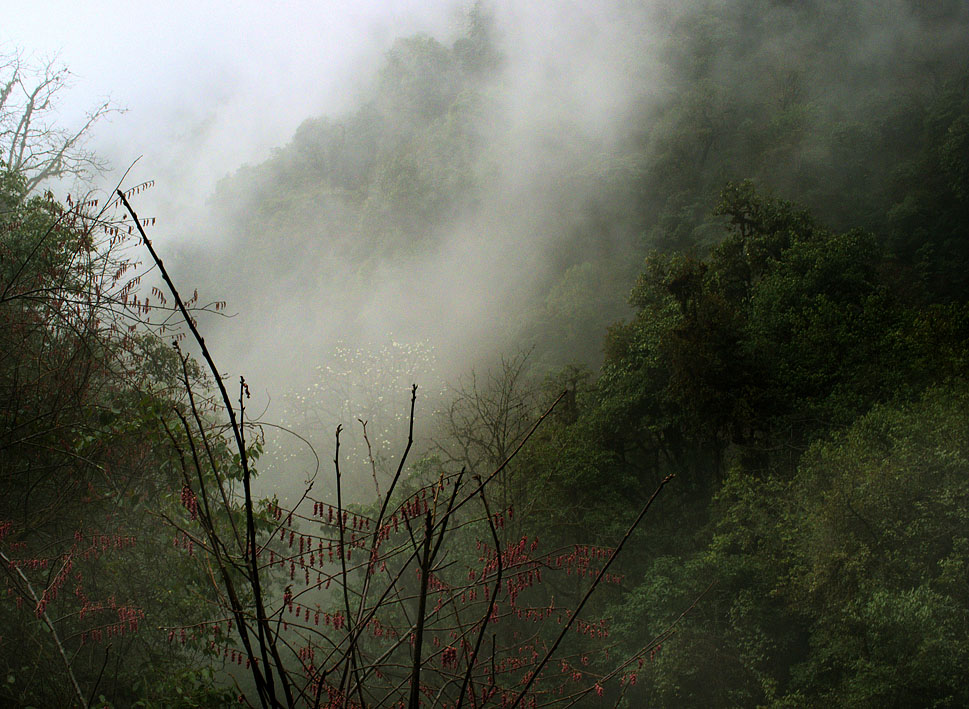
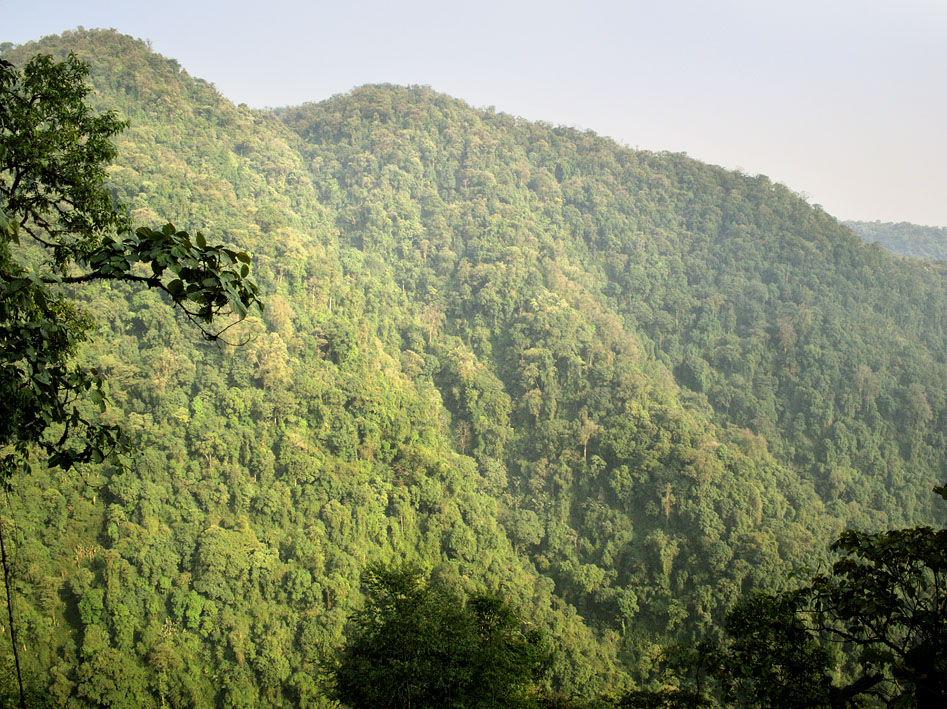
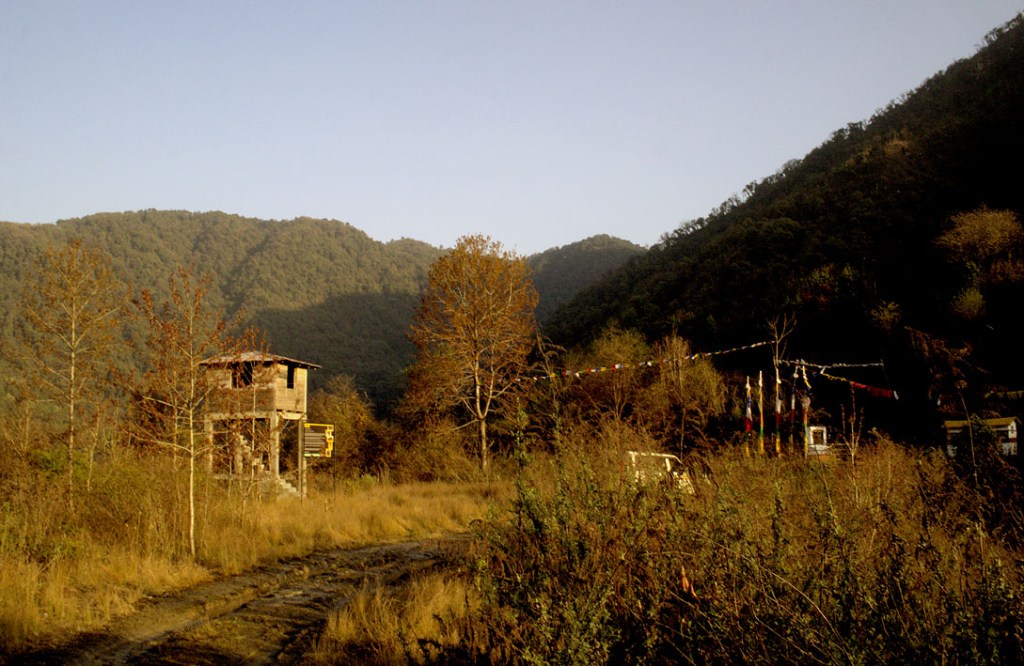
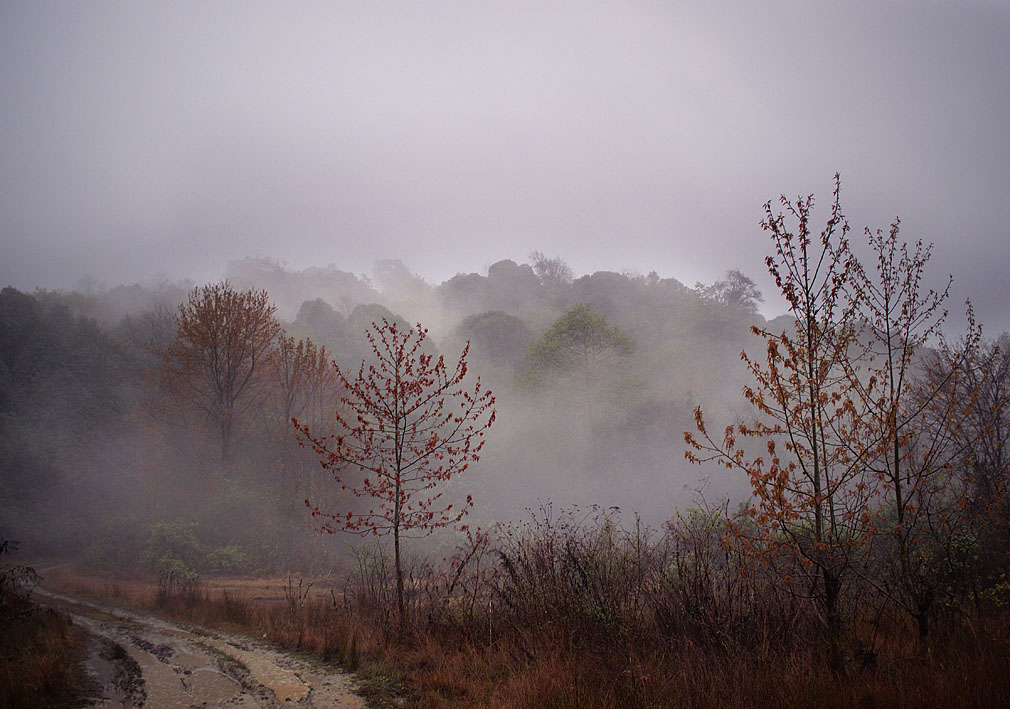
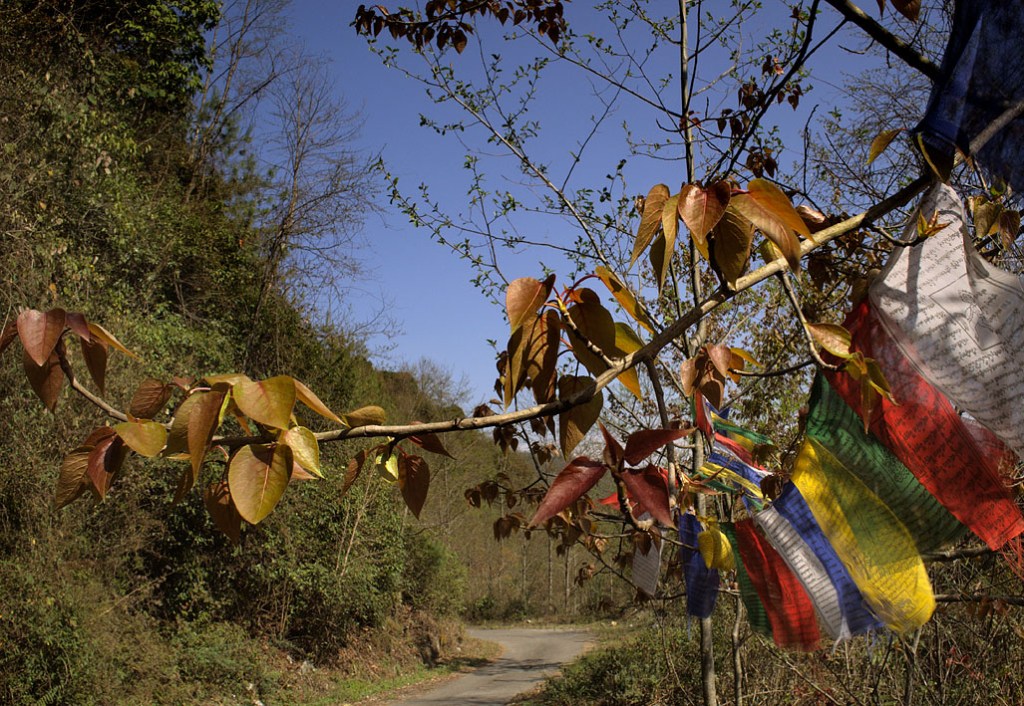
Images of different forest areas in Eaglenest wildlife sanctuary as captured during the visit.
Six broad vegetation types have been identified in the state including lowland tropical evergreen (below 1000m), subtropical (1000m −2000m), temperate broad-leaved and temperate conifers (2000 – 4000m), alpine vegetation (above 4000m) and permafrost (Kaul & Haridasan, 1987).
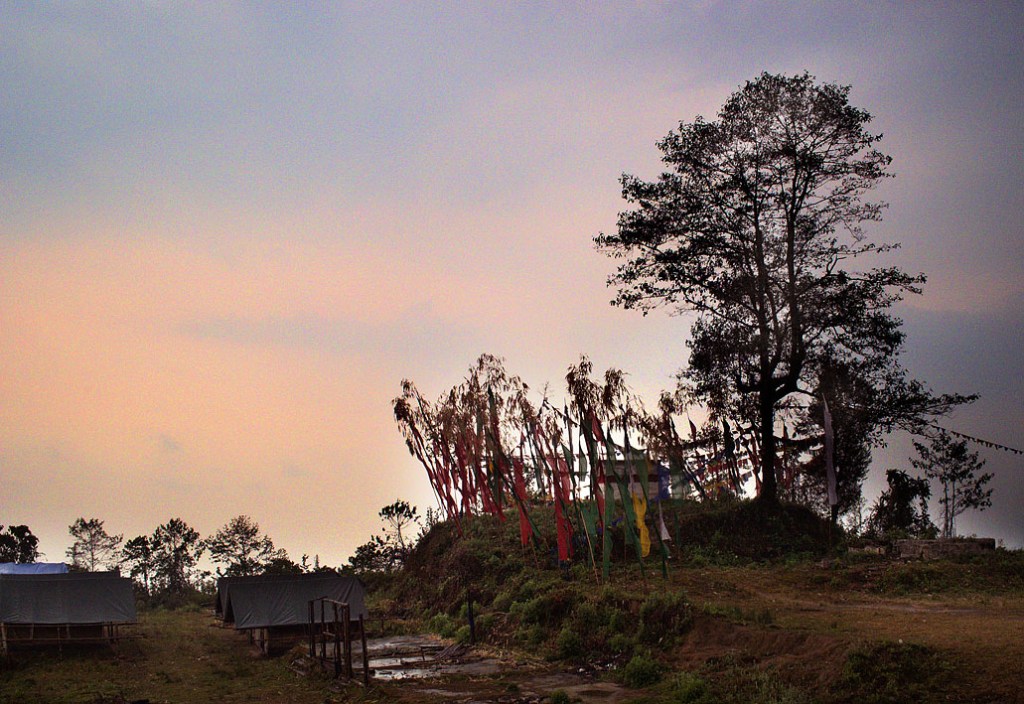
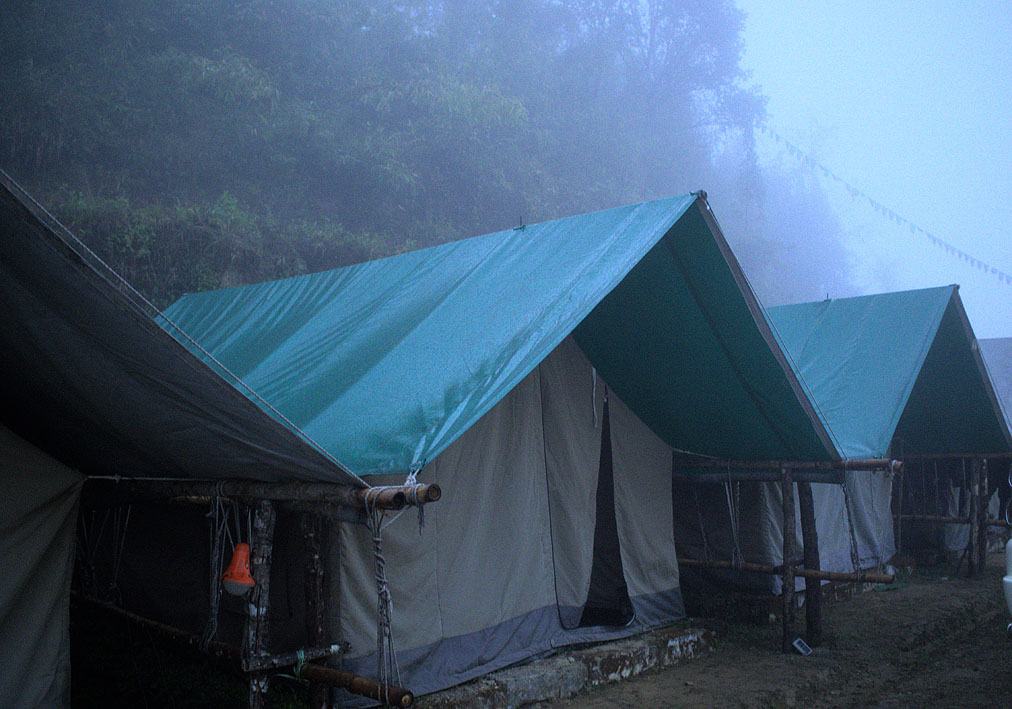
Tents in Bompu Camp 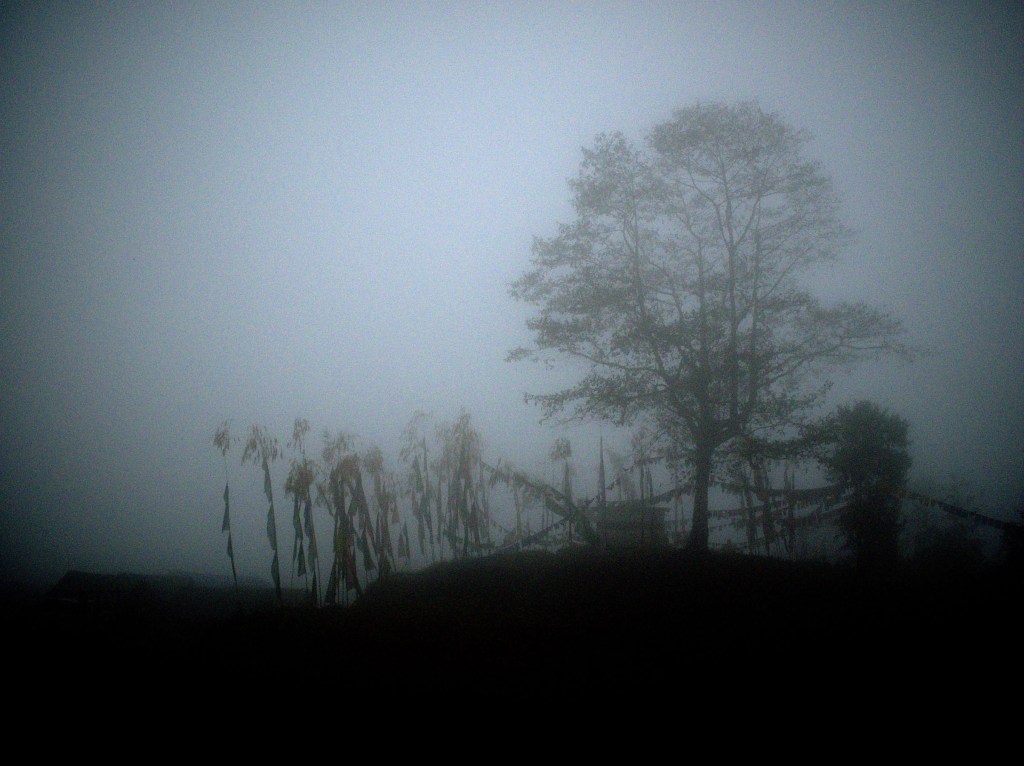
A misty sunset in Bompu camp
Although we could get only two sunny days for clear bird observation, but the three rainy days presented us the scenic serene mountains with clouds playing hide and seek. The blooming Michelia sp., bushes and Rhododendron above 2000 meters were adding to the beauty of landscapes.
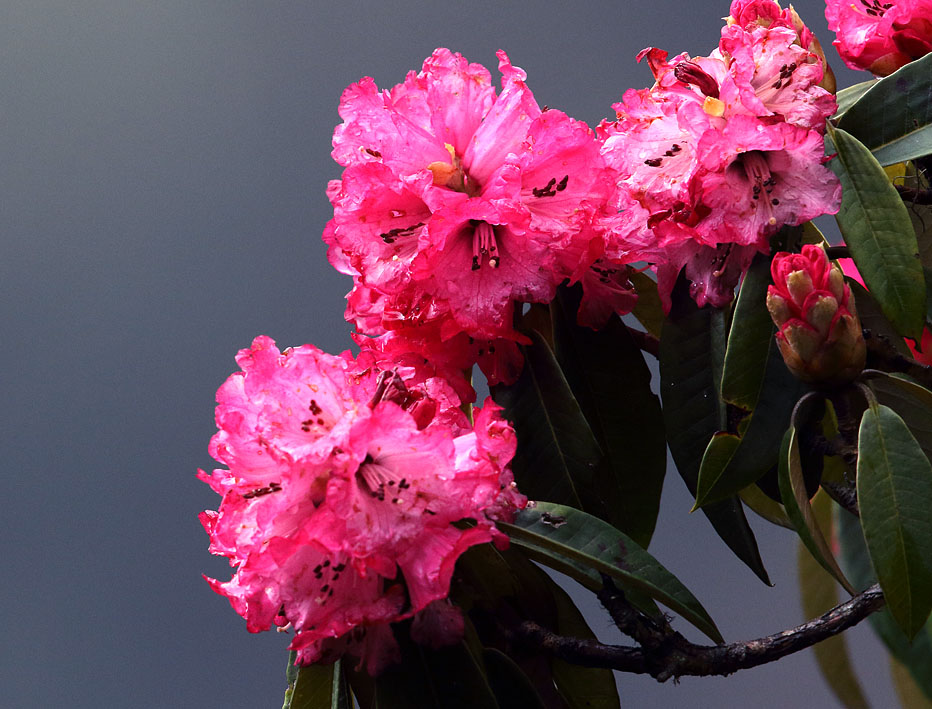
Rhododendron flowers 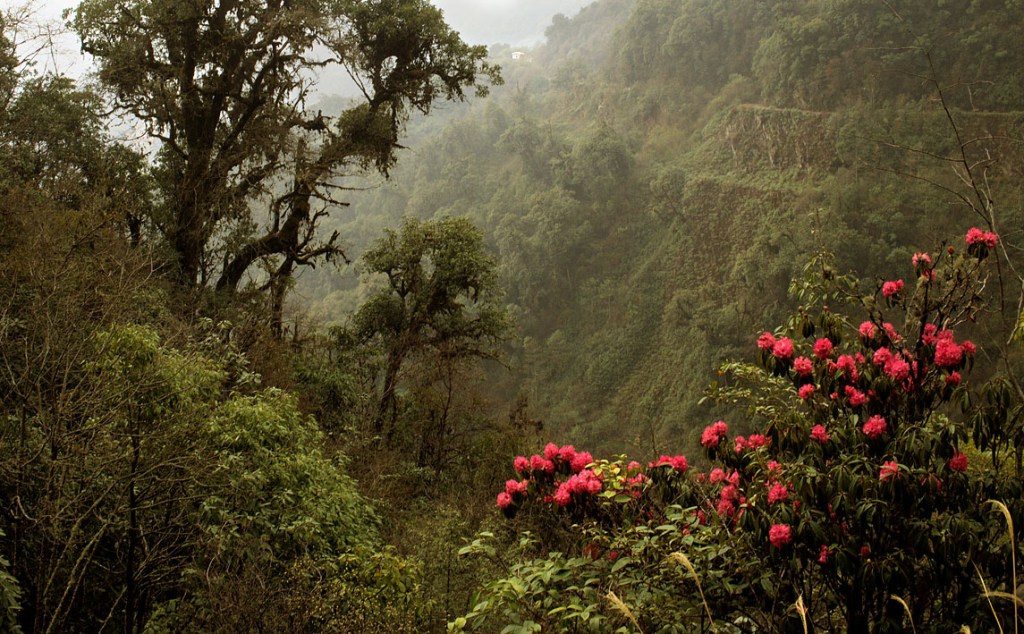
A Rhododendron tree

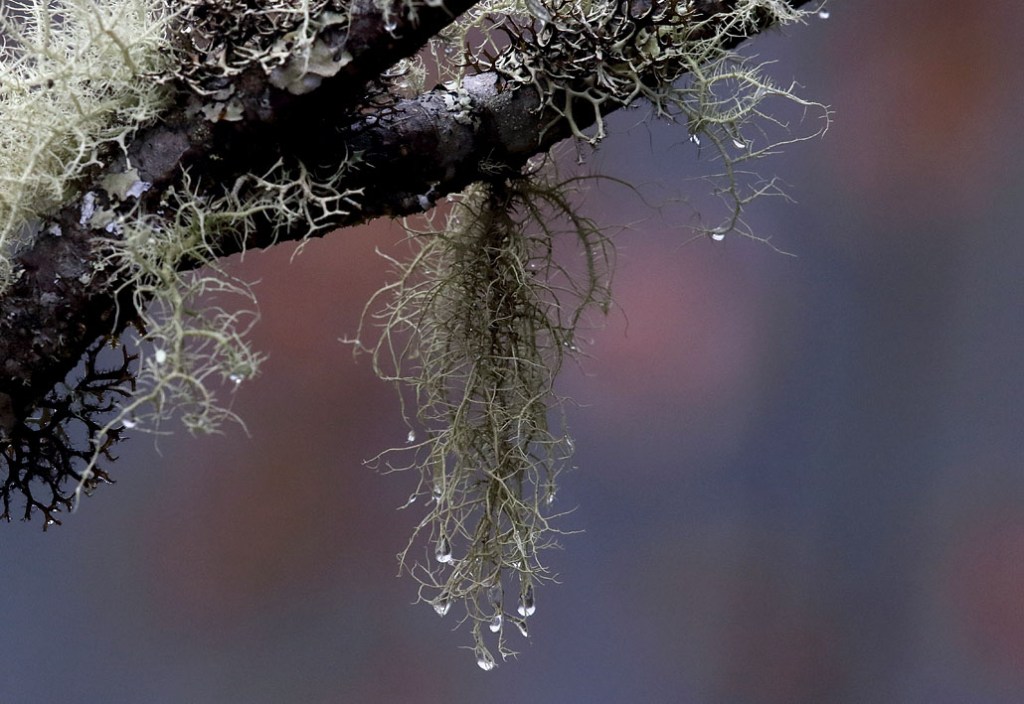

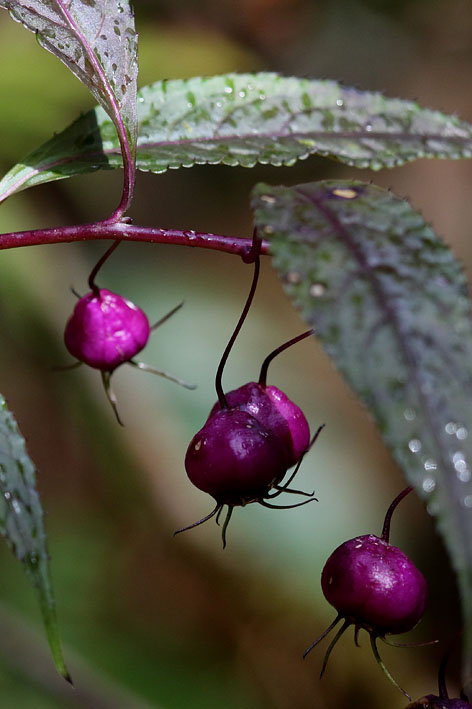

While looking for birds in thick canopy we also came across insects like Phil millipedes. When curled as an anti-predatory strategy they look like similar to some fruiting body or a puff ball with shiny surface.

A curled Pill Millipede. Curling to a small ball is an anti-predatory strategy of these insects 
Pill millipede uncurled
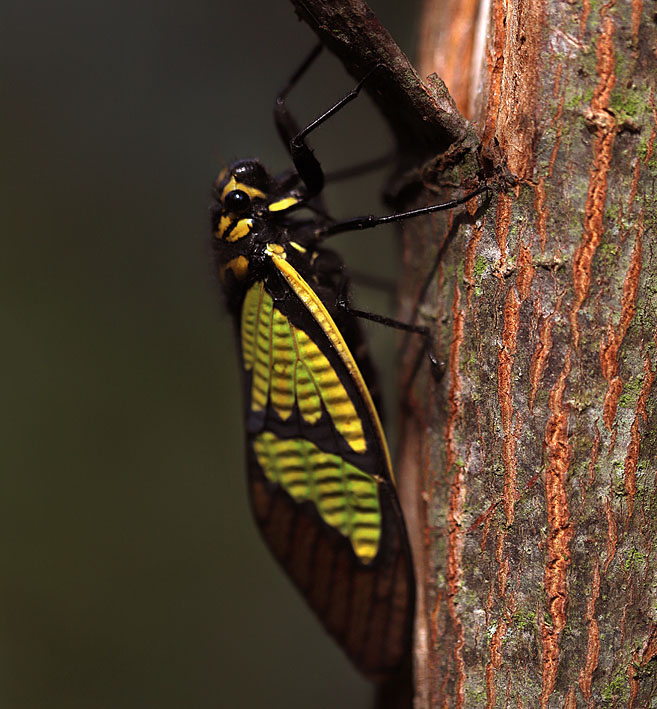
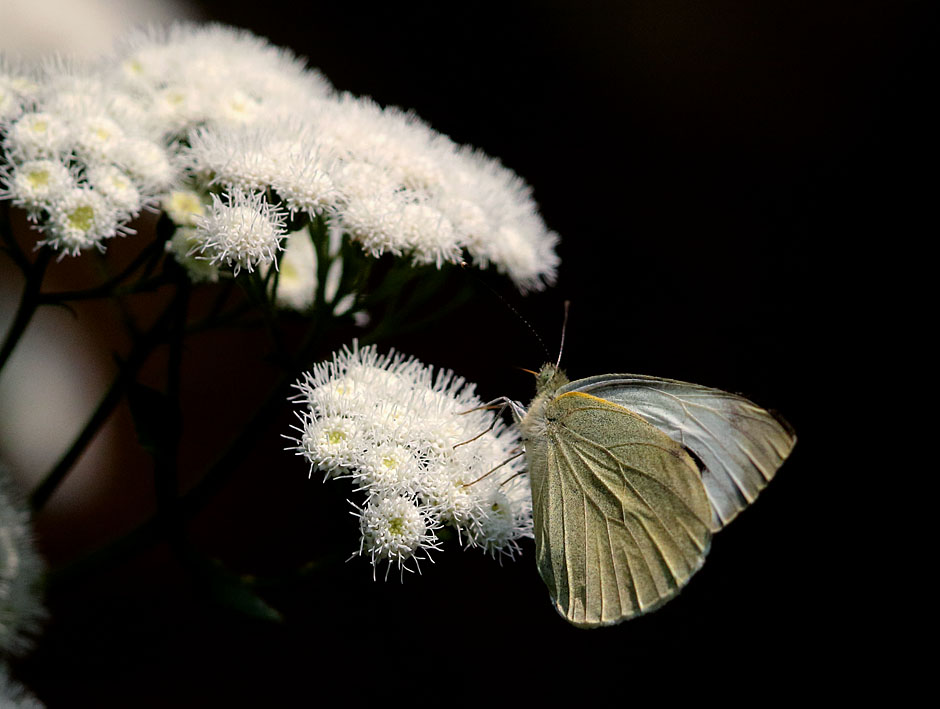
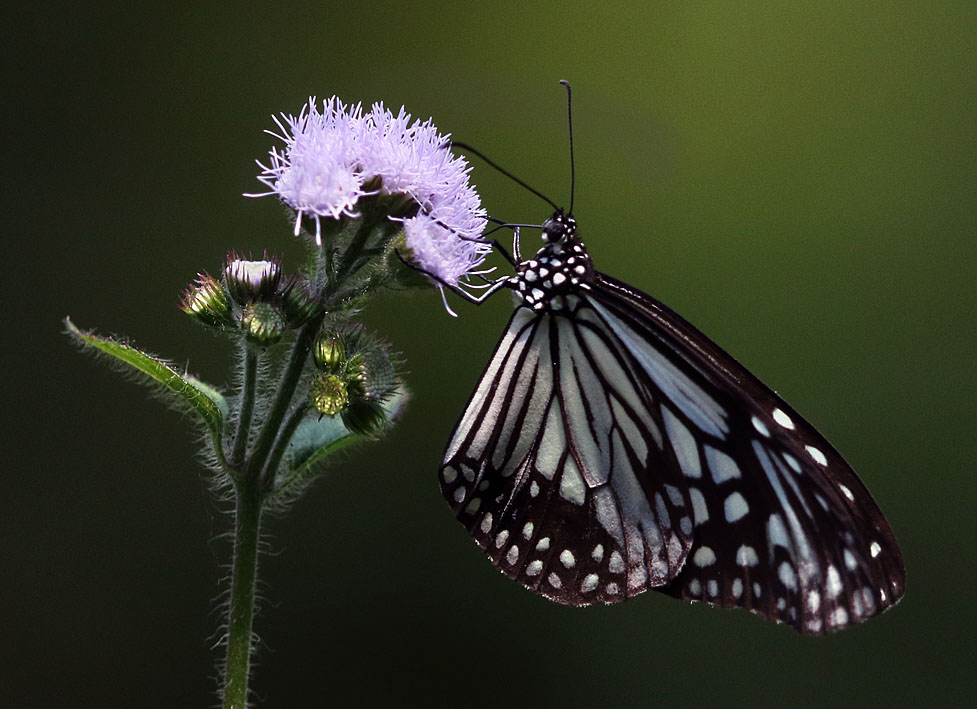
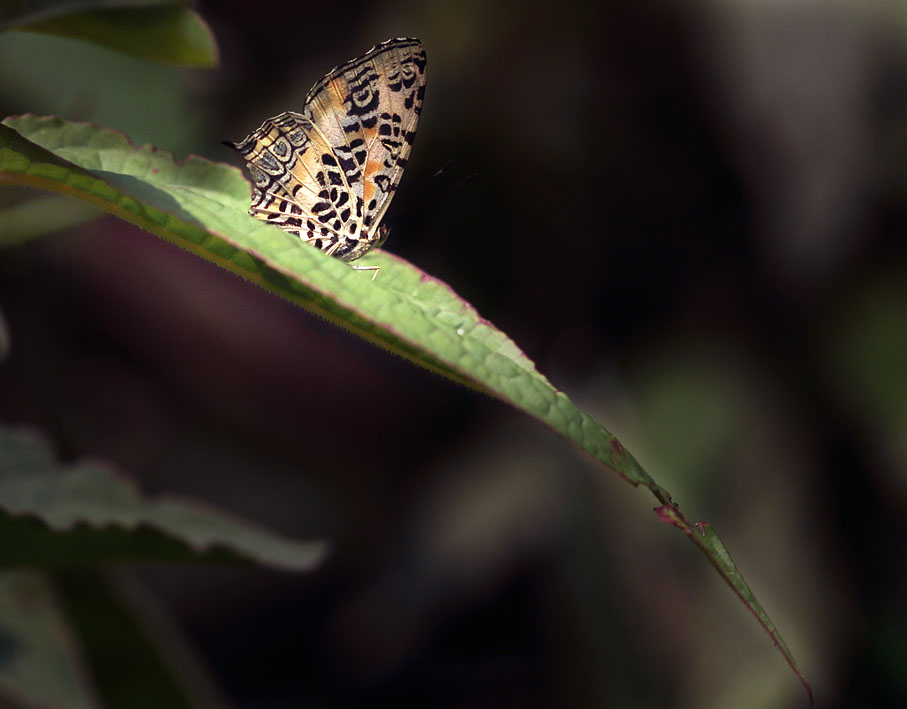
A checklist of 125 species of butterflies was made in 2006 by Raman Ahtreya. Some of the rarer and more spectacular species included. Jungle-queen sp, Bhutan Glory, Grey Commodore, Dusky Labyrinth, Tiger-Brown, Scarce Red-Forester, White-edged Bush-Brown, White Owl, etc. Although we could not document enough species of butterflies due to continuous torrential rains, but few hours of first day of our visit in Eaglenest gave us opportunity to record some.
Photographs of butterflies as observed during one sunny day are shown below.

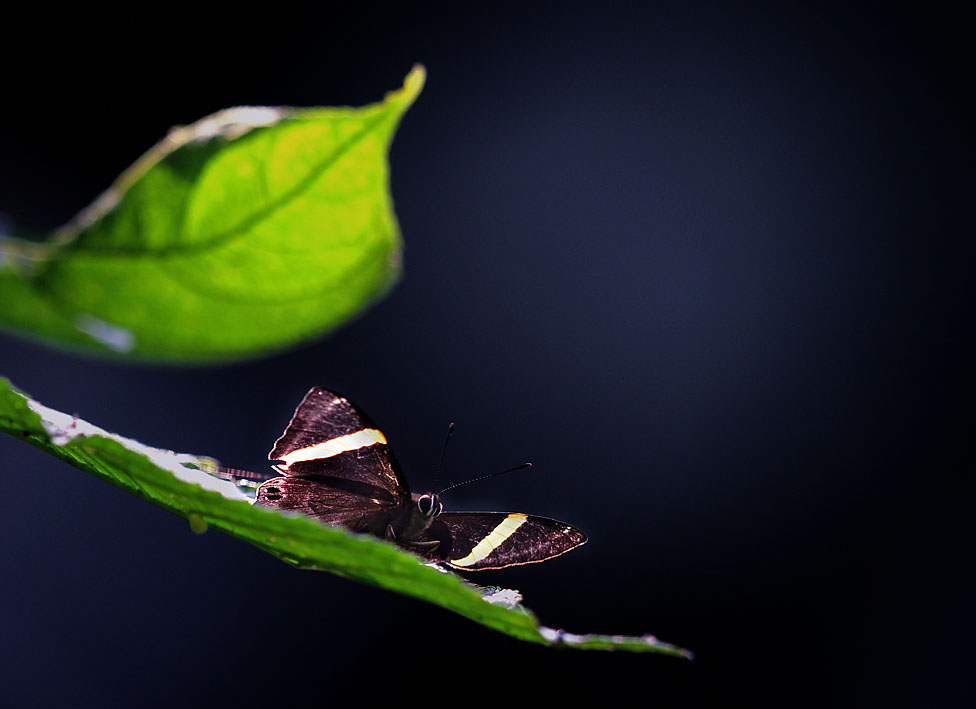
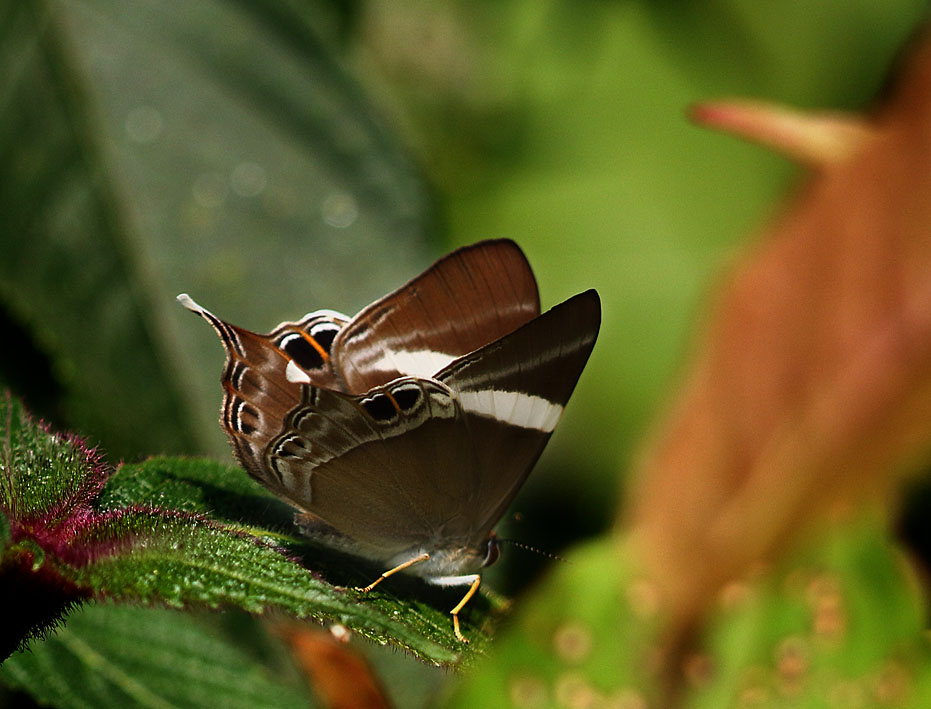
A total of 133 bird species were recorded among all 585 bird sightings made in both Eaglenest WLS and Singchum village community reserve. Although not less than 525 bird species from the landscape were recorded in a survey for three years from 2003 to 2006 (Ahthreya, 2006), the present quick survey was for mere five days comprising only 60 hours of active survey.

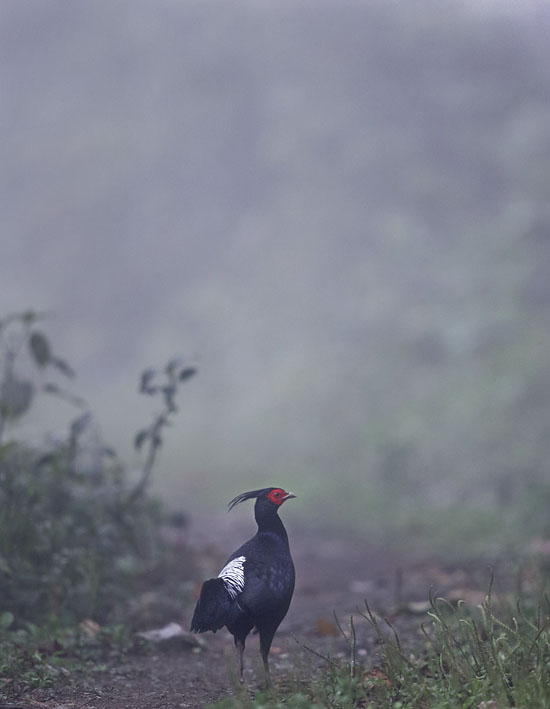

Among Pigeons, Mountain Imperial Pigeon Ducula badia was sighted for four times and Emerald Dove Chalcophaps indica also for four times. Barred Cuckoo Dove Macrophygia unchall was observed only once. Similarly, the continuous calls of Large Hawk Cuckoo gave its presence in the thick forest of Eaglenest.
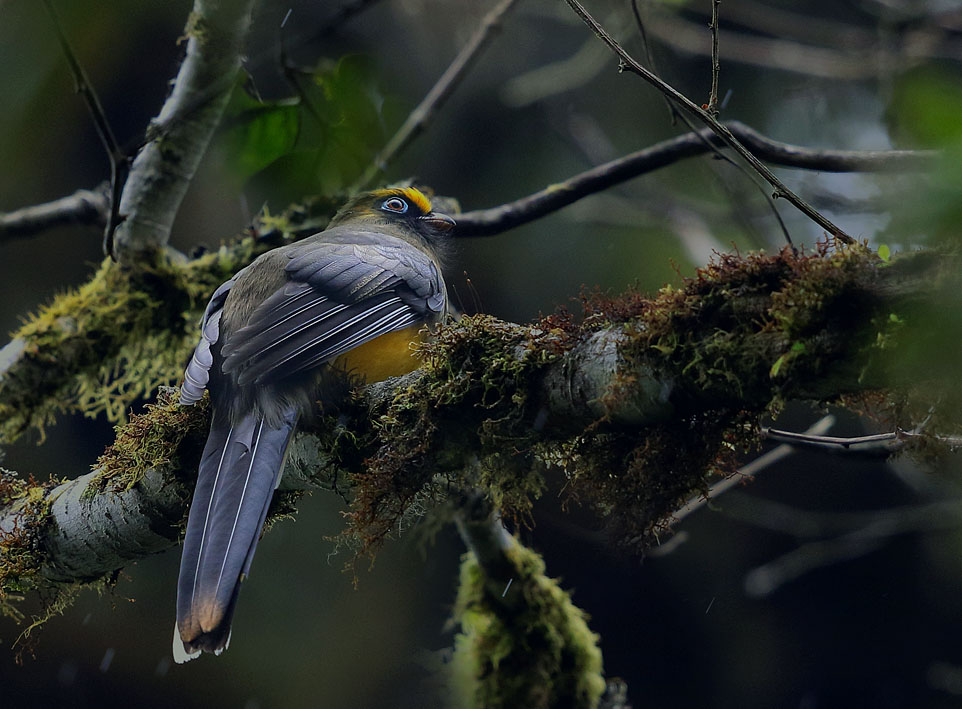
The beautiful maroon colored bird, Ward’s Trogon Harpactes wardi was seen for three times. A nearly threatened species these were seen perching on moss laden branches of trees. Similarly, Red Headed Trogon Harpactes erythrocephallus was seen only once near Hornbill point.

Among Barbets, the far-carrying monotonous calls of Great Barbet Megalaima virens could be heard for whole of the day. Intermittently the load calls of Blue-throated Barbet Megalaima asiatica was also heard during clear sunny days. Rufous-necked Hornbill Aceros nipalensis was observed four times although we could hear the call of Wreathed Hornbill Aceros undulates for one time only.
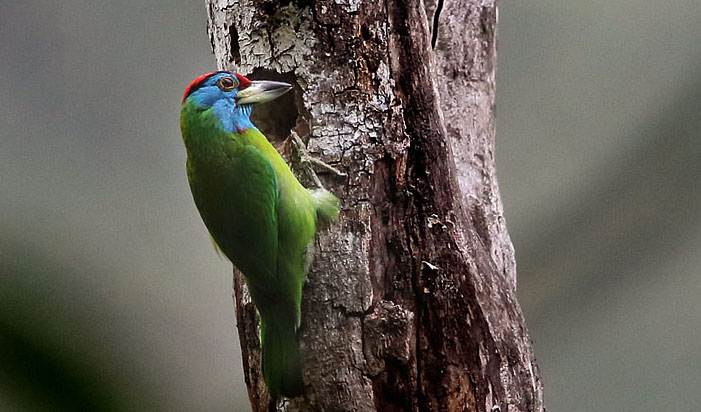
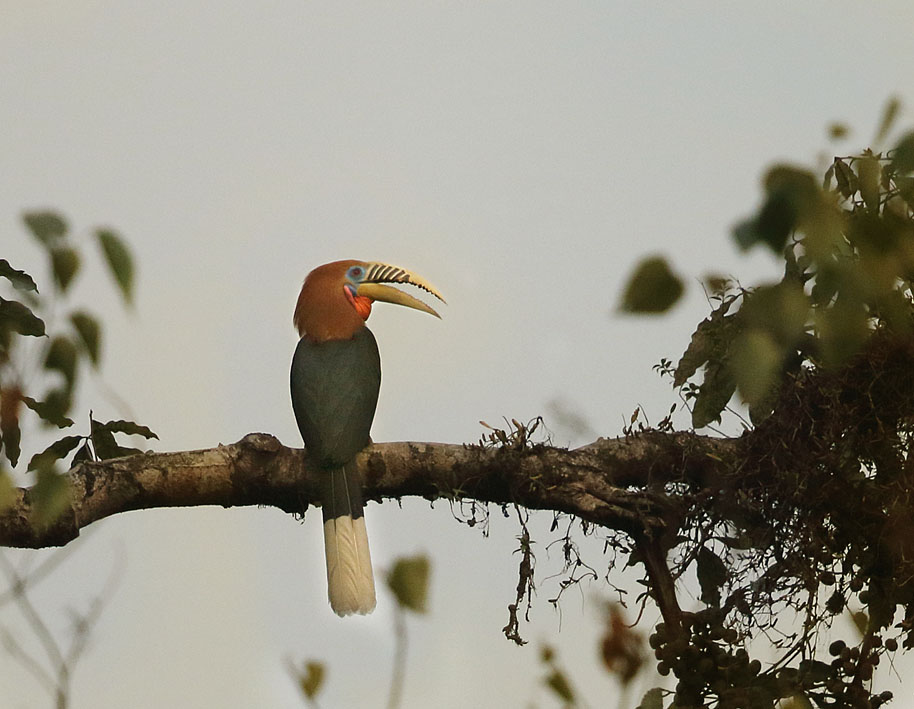
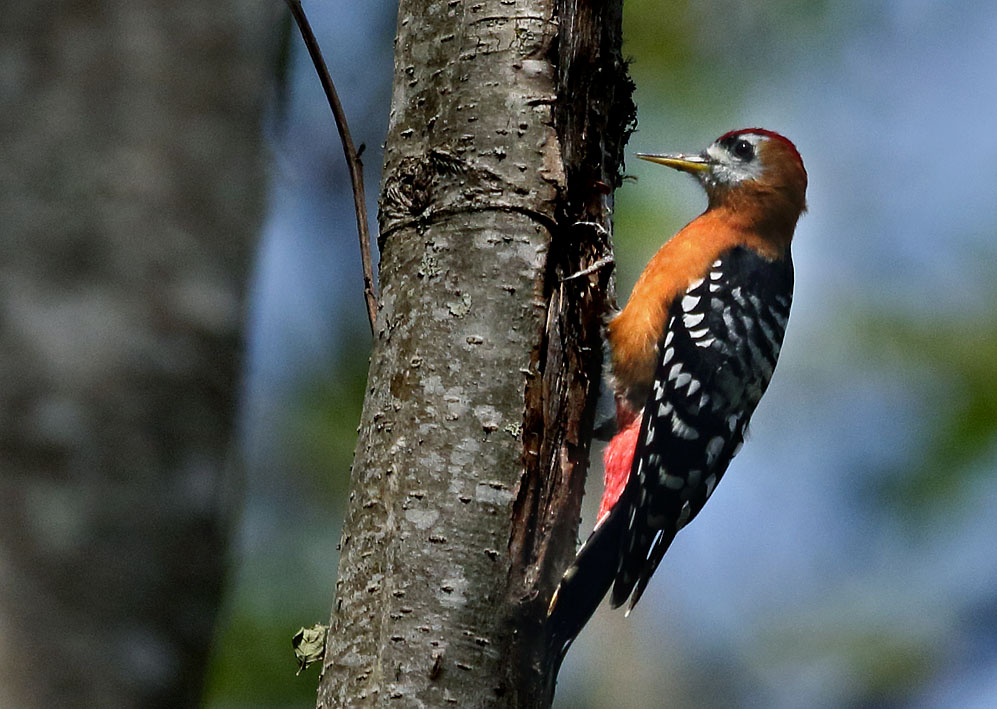
Darjeeling Woodpecker Dendrocopos darjellensis was observed once near Bompu camp. Pale-headed Woodpecker Gecinulus grantia was seen once pecking on one bamboo culm in bamboo grove near Shergaon check post. Rufous-bellied Woodpecker Dendrocopos hyperythrus was observed drumming on a tree in Bugun trail of Singchum Village Conservation Reserve.
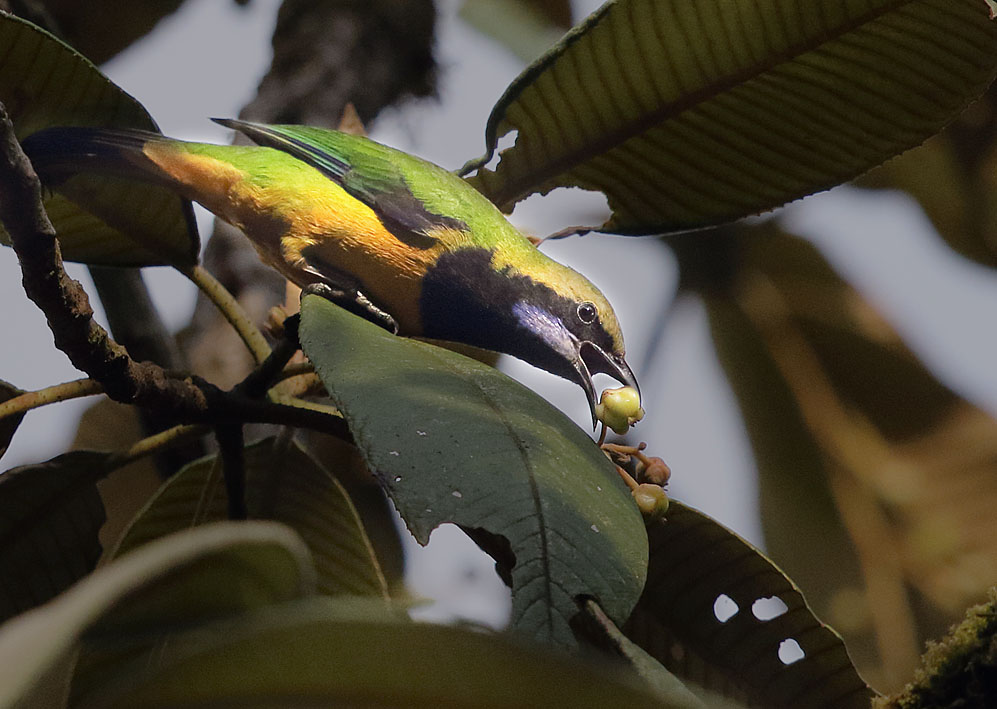
Long-billed Broadbill Psariosomus dalhousiae was also observed in same bamboo patch. Orange-bellied leafbirds Chloropis hardwickii was observed four times.
Among Drongos, Ashy Drongo Dicrurus leucophaes, Bronzed Drongo Dicrurus aeneus and Lesser Racket-tailed Drongo Dicrurus remifer were observed during the period. On one occasion Ashy Drongo was seen chasing Black Eagle Ictinaetus malayensis near Sesni area.
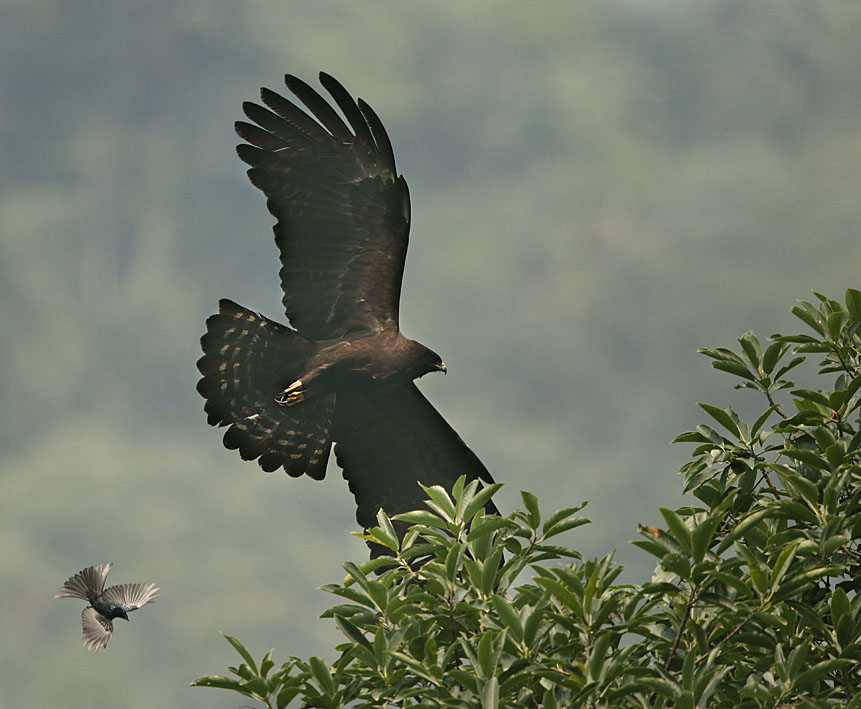
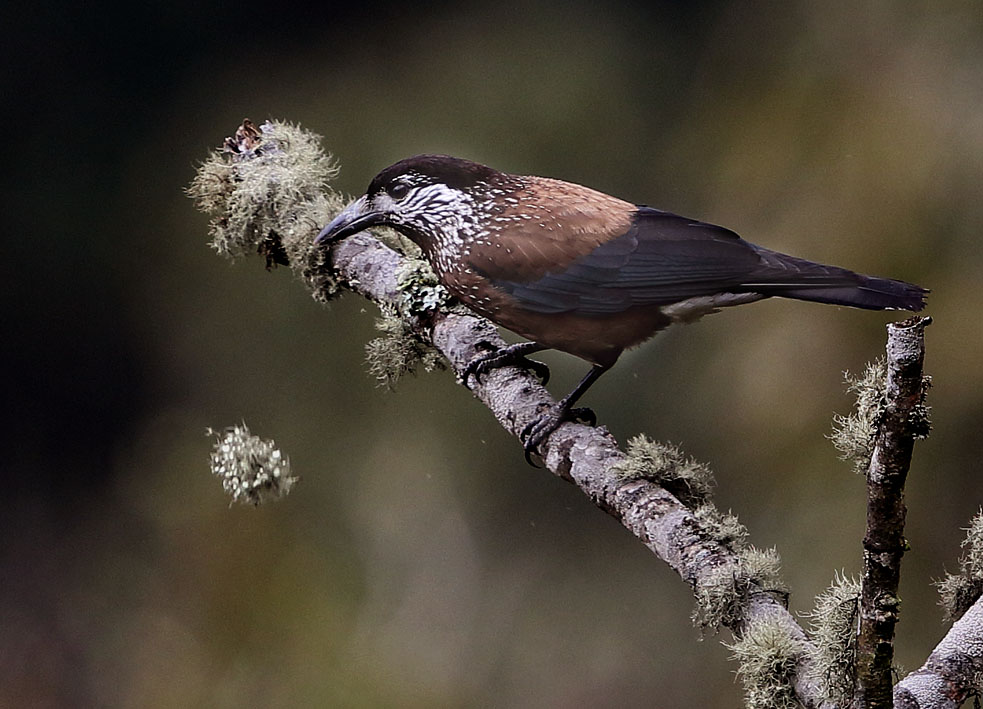
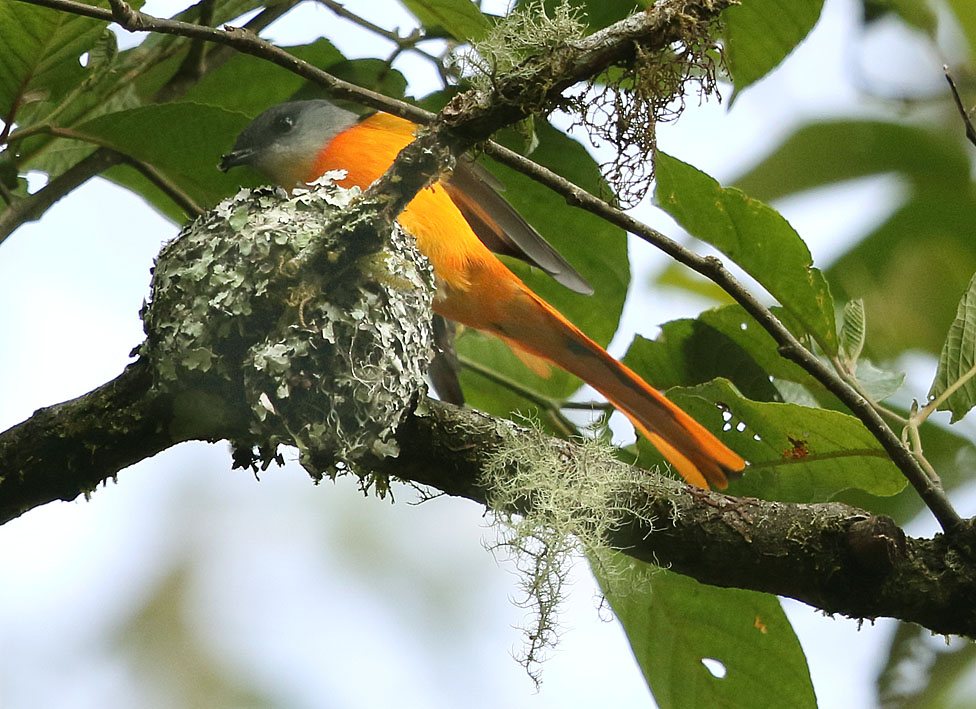
Crested Serpent Eagle, Oriental Honey Buzzard, Crested Hawk Eagle and Shikra were observed once during the period. A pair of Spotted Nutcracker Nucifragacaryocatactes were observed with one individual was seen plucking lichens and dropping them. On one occasion a pair of Grey-chinned Minivets Pericrocotus solaris were seen completing the nest made in a fork of two branches in the middle canopy of a tall tree. While the outer surface of the nest was decorated with foliose lichens the inner cavity was being repaired with fruticose lichens.
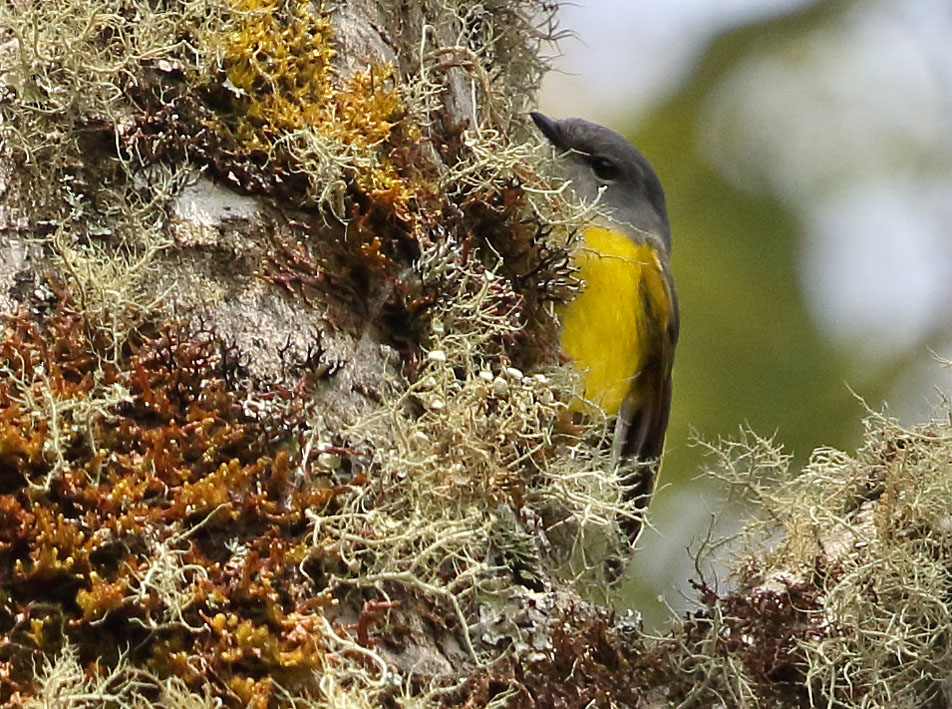
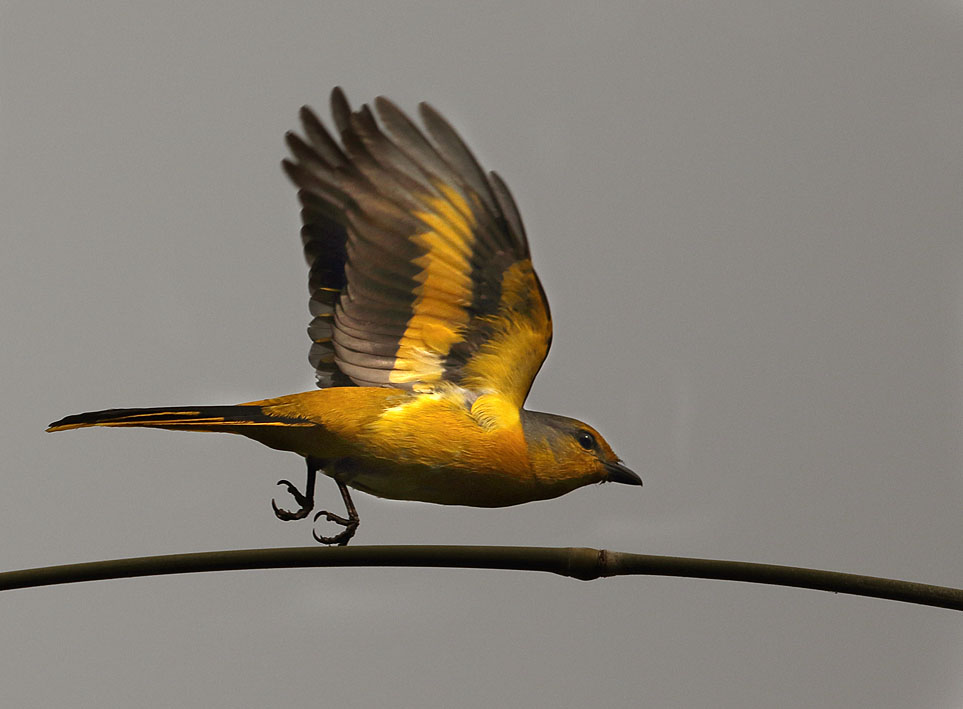
Among bulbul family (Pycnonotidae), Striated Bulbul Pycnonotu sstriatus was observed to be most abundant. It is followed by Mountain Bulbul Hypsipetes mcclellendii, Black Bulbul Hypsipetes leucocephallus and Red-vented Bulbul Pycononotus caferbengalensis.

Mountain Bulbul 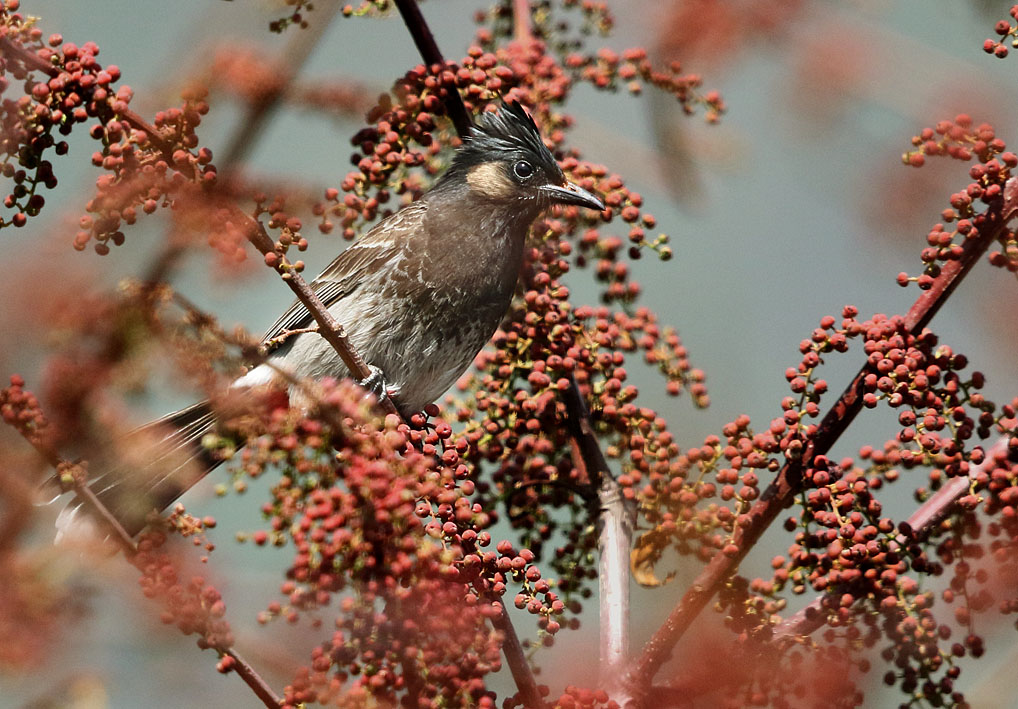
Red-vented Bulbul
Although regular calls were heard; it was only for one occasion we were able to see Pigmy Wren Babbler Pnoepyga pussila.
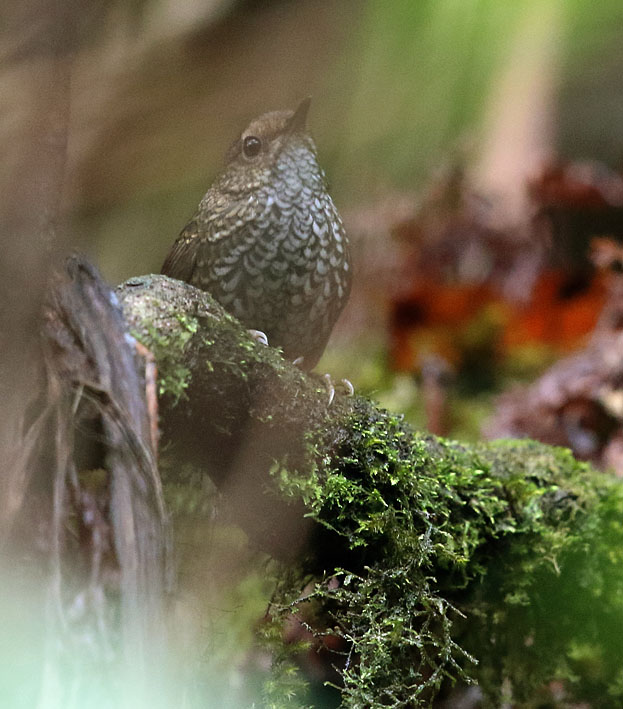
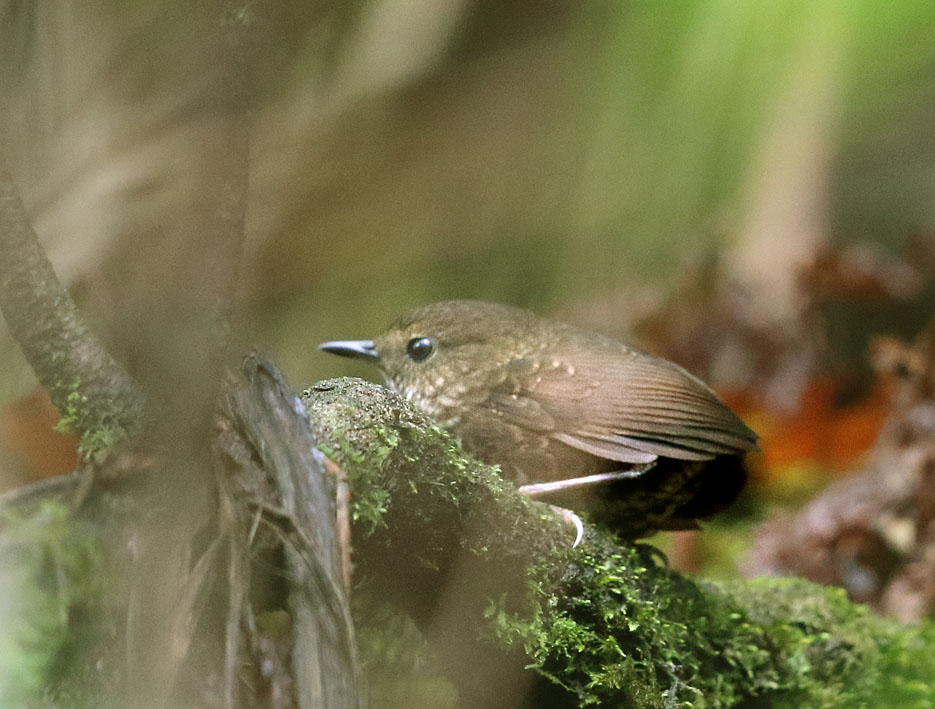
Dozens of Silver-eared Mesia Leiothrix argentauris were observed in understory bushes, Himalayan Cutia Cutia nipalensis feeding on bark in the middle canopy of medium sized trees, White-browed Shrike Babbler Pteruthiusflaviscapis and Black-eared Shrike Babblers Pteruthiusmelanotis on top canopy of trees.
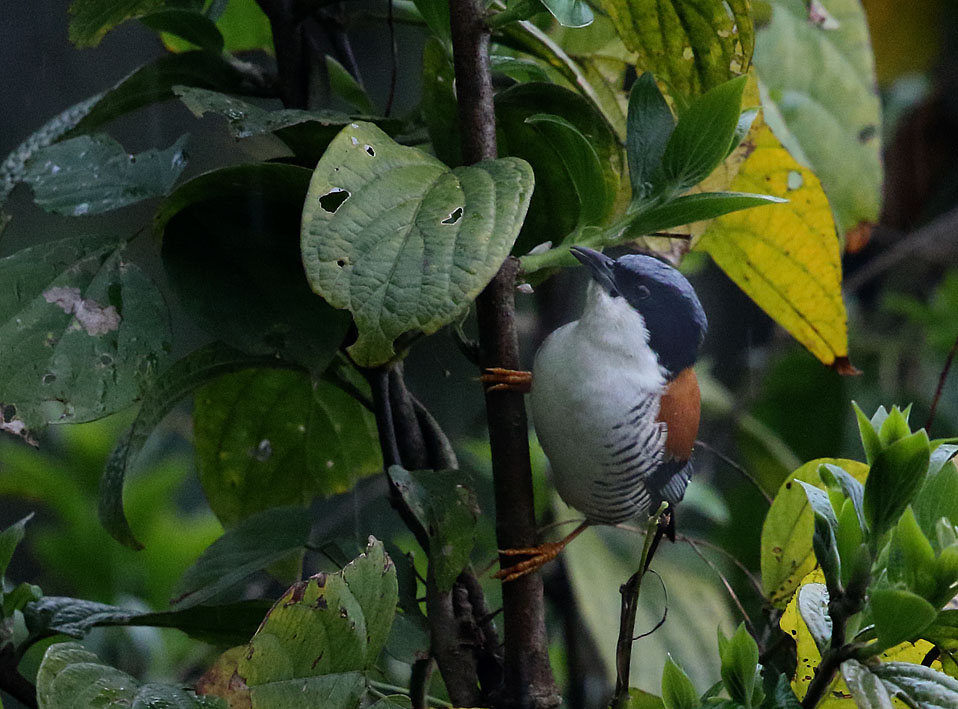
Himalayan Cutia 
Yellow-throated Fulvetta
Among Fulvettas, Rufous-winged Fulvetta Alcippe castanecepes, Golden Breasted Fulvetta Alcippe chrysotis and Nepal Fulvetta Alcippe nipalensis were observed. Yellow-throated Fulvetta Alcippe cinerea was observed for most of the time. Sibias were mostly represented by Beautiful Sibia Heterophasia pulchella, Long-tailed Sibia Heterophasia picaoides and on one occasion Rufous-backed Sibia Heterophasia annectenswas seen calling from top of tree.

Greater Rufous-throated Parrotbill Paradoxornis ruficeps and Grey-headed Parrotbills Paradoxornis gulariswere observed.
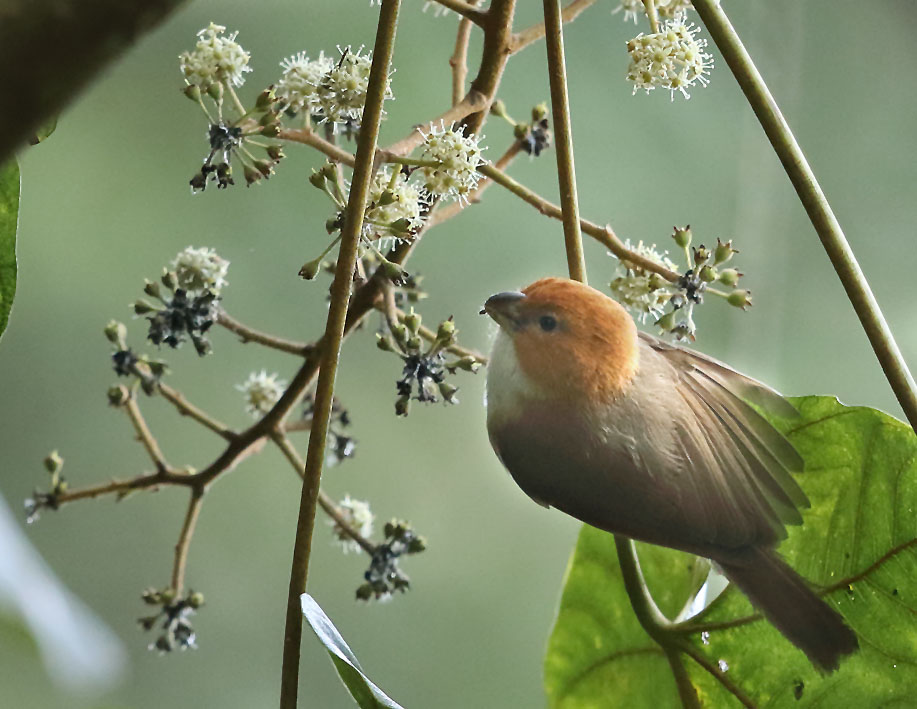
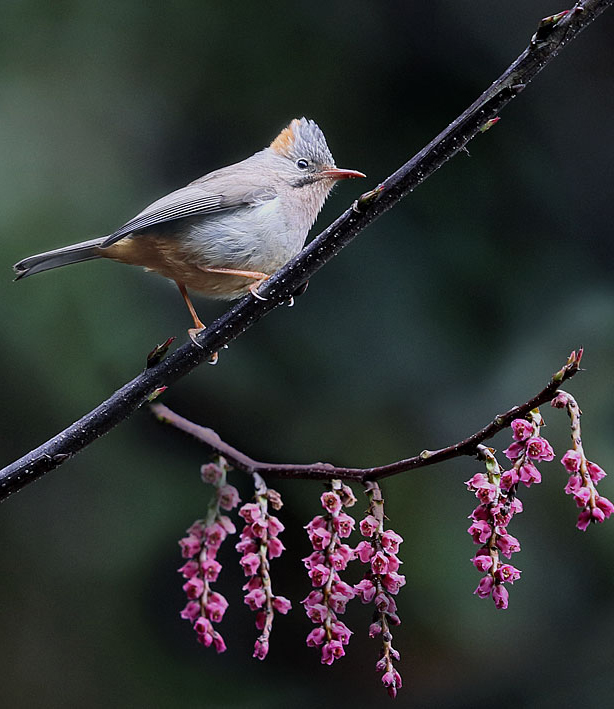
Although Yuhinas including Rufous-vented Yuhina Yuhina occipitalis, Striated Yuhina Yuhina castanicpes, Stripe-throated Yuhina Yuhina gularis and White-bellied Epornis Yuhina xantholuca were seen during the period, Rufous-vented Yuhina Yuhina occipitalis was seen maximum time foraging from the flowers of vegetation.
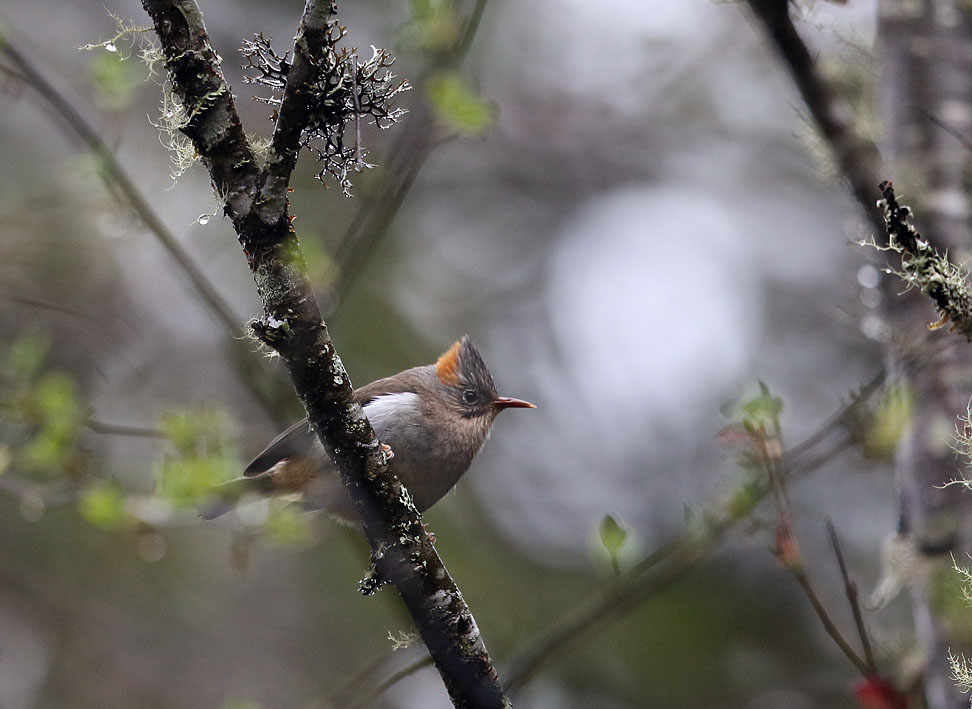
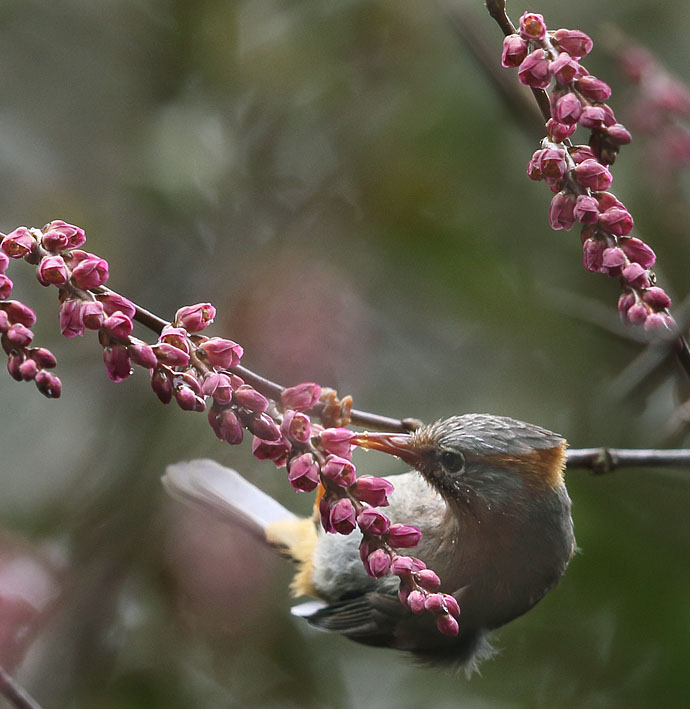


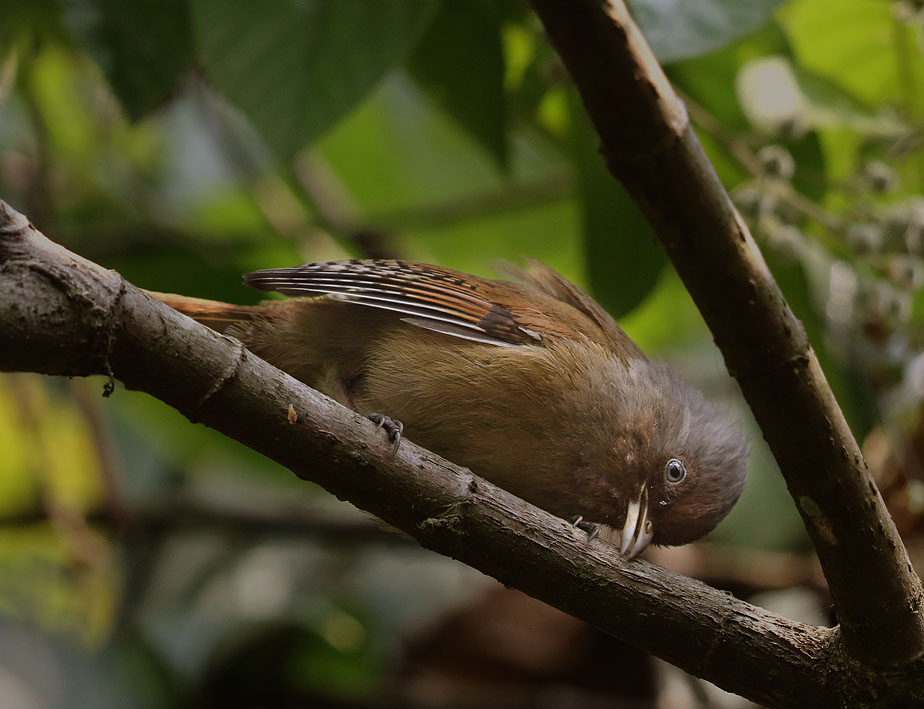
Rusty-fronted Barwing Actinodura egertoni, Striated Laughingthrush Garrulax striatus, Chestnut-crowned Laughingthush Garrulax erythrocephallus, White-crested Laughingthrush Garrulax leucolophus, White-throated Laughingthrush Garrulax albogularis, Spotted Laughingthrush Garrulax ocellatus and Chestnut-backed Laughingthrush Garrulax nuchalis were observed.
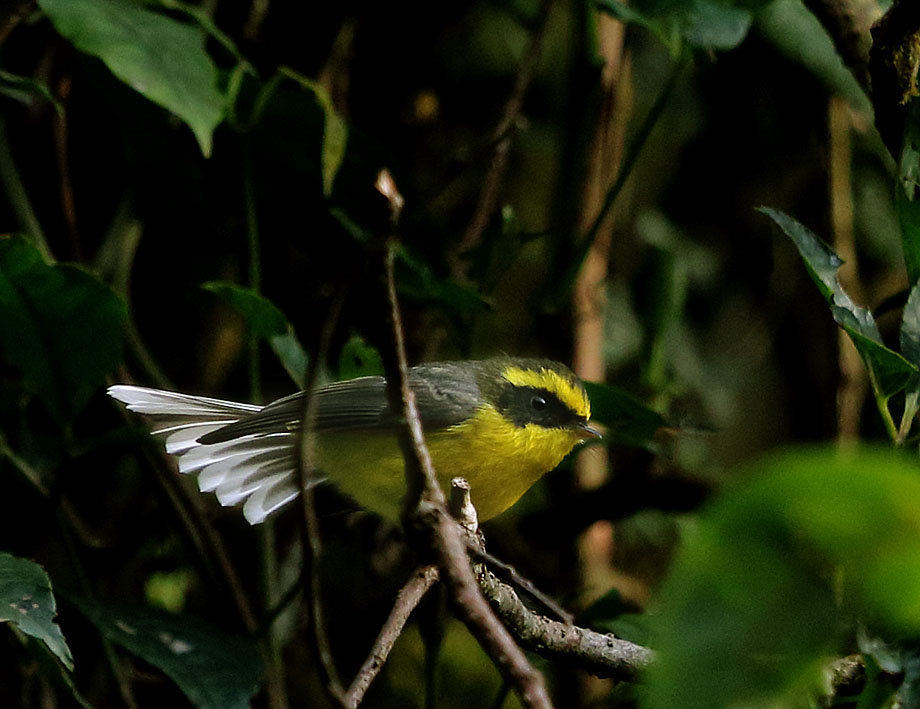
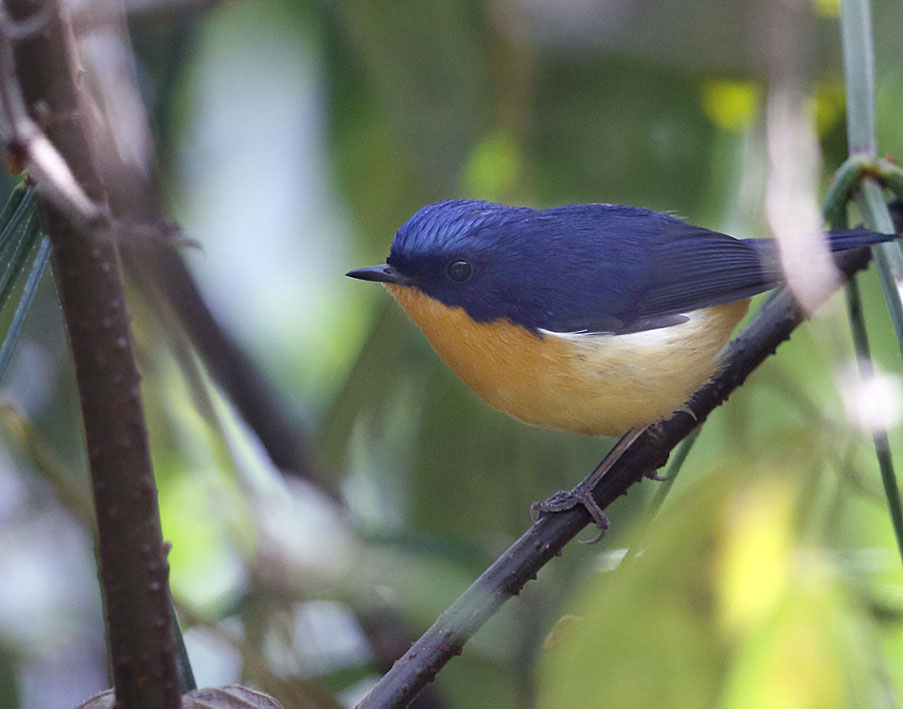
Yellow-bellied Fantail Rhipidura hypoxantha, White-throated Fantail Rhipidura albicollis, Grey-headed Canary Flycatcher Culicicapa ceylonensis, Verditer Flycatcher Eumyias thalassina, Rufous-gorgetted Flycatcher Ficedula strophiata, Large Niltava Niltava grandis, Rufous-bellied Niltava Niltava sundara, Small Niltava Niltava macgrigoriae, Black-naped Monarch Flycatcher Hypothymis azurea and Pigmy Blue Flycatcher Muscicapella hodgsonii were observed.

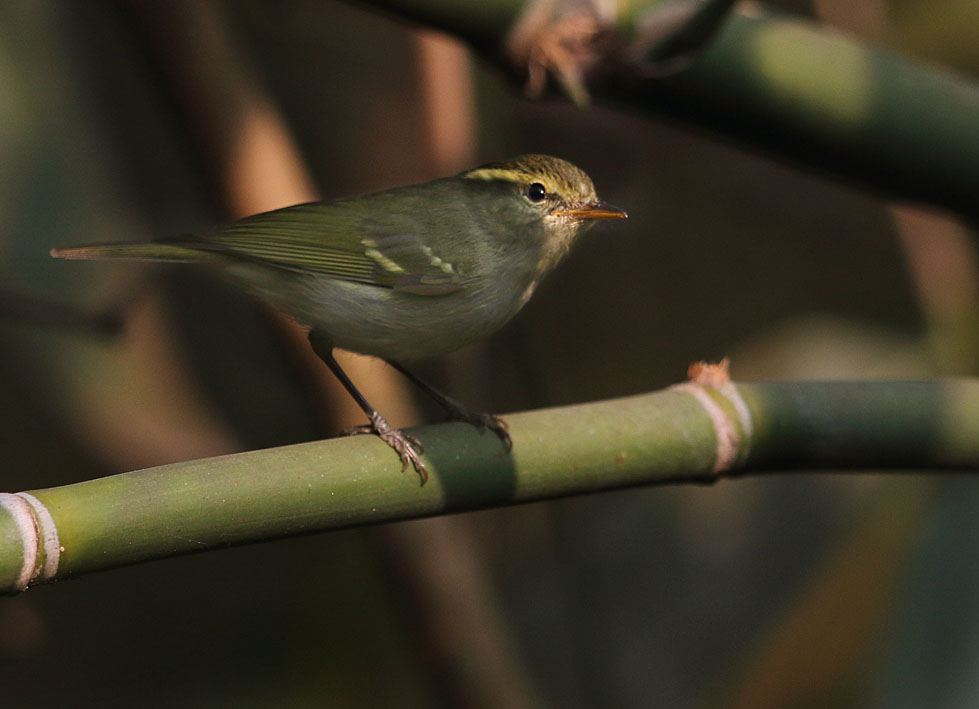
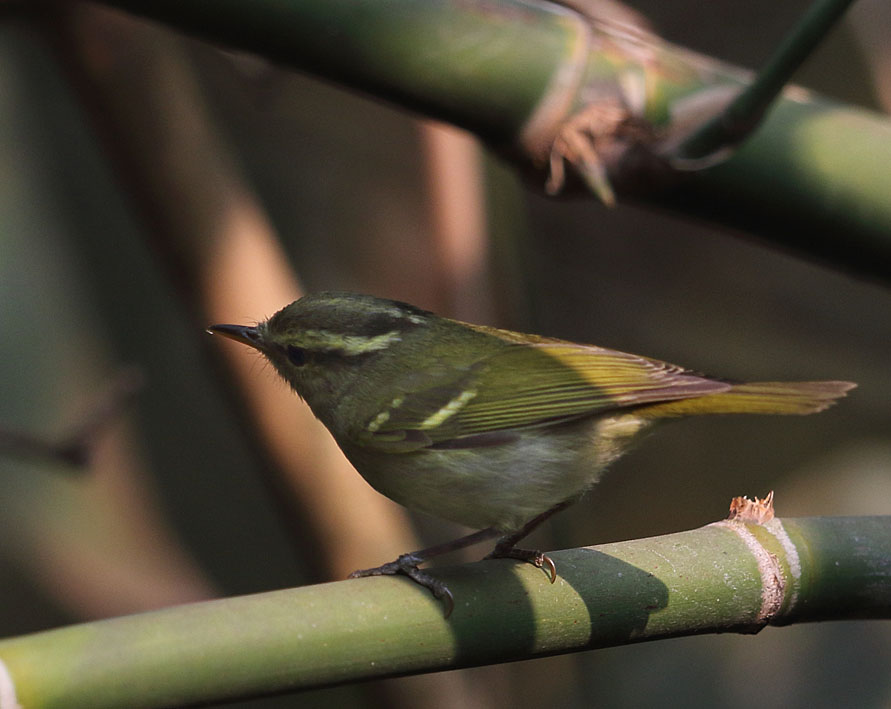
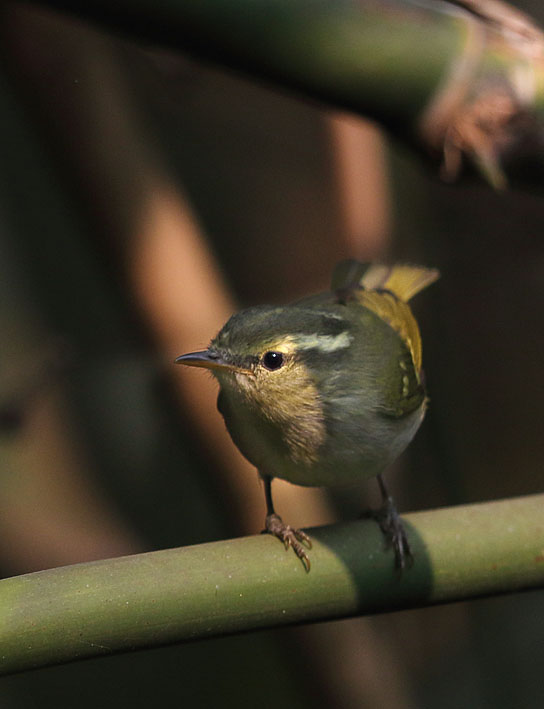
White-spectacled Warbler Phylloscopus intermediua, Grey-cheeked Warbler Phylloscopus poliogenys, Chestnut-crowned Warbler Seicercus castaniceps, Rufous-faced Warbler Abroscopus albogularis, Black-faced Warbler Abroscopus schisticeps and Ashy-throated Warblers Phylloscopus maculipennis were observed. In addition the repeated calls of Chestnut-headed Tesia Cettia castaneocoronata and Grey-hooded Warblers Phylloscopus xanthoschistos were also marking their presence area.


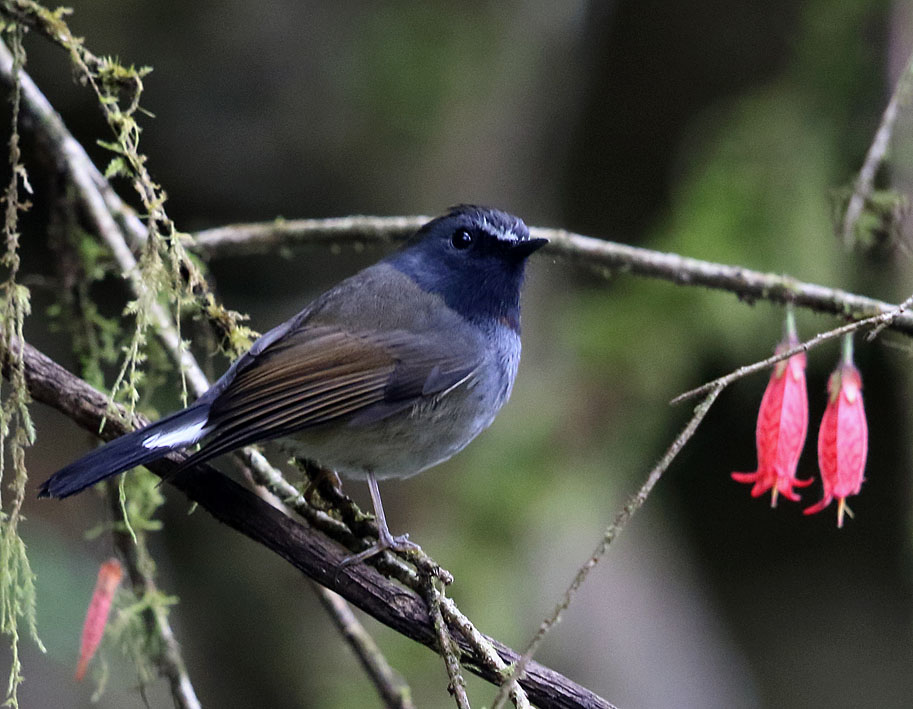
Among Robins Himalayan Bluetail or Orange-flanked bush Robin Tarsiger cyanurus was most sighted bird during the entire period in Eaglenest. A female White-browed Bush Robin Tarsiger indicus was also observed once in near Eaglenest pass.
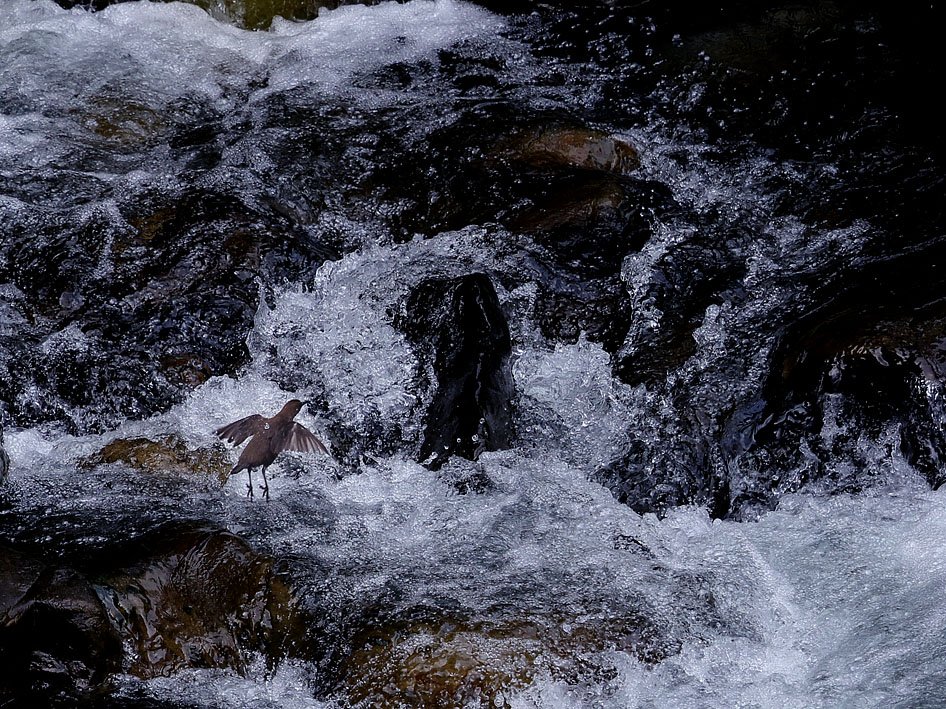
Brown Dipper Cinculus pallasi, White-capped Water Redstart Chaimarrornis leucocephalus, Plumbeous Water Redstart Rhyacornis fulginosus and Spotted Forktail Enicurus maculatus were observed near the streams.
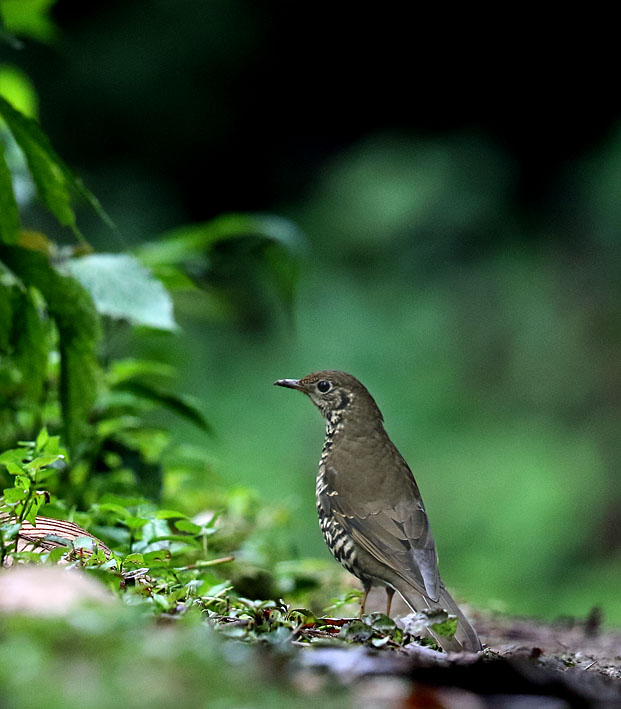
Plain-backed Thrush Zoothera mollissima remained most abundant among all thrushes including, Long-tailed Thrush Zoothera dixoni, Chestnut-bellied Rock Thrush Monticola rufiventris, Blue-capped Rock Thrush Monticola cinclorhynca, Grey-winged Blackbird Turdus boulboul and Blue-whistling Thrush Myophonus caeruleus.
Sultan Tit Melanochlora sultanea, Yellow-cheeked Tit Paruss pilonotus, Black-throated Tit Aegithallosconcinnus, Yellow-browed Tit Sylviparus modestus were observed during the period
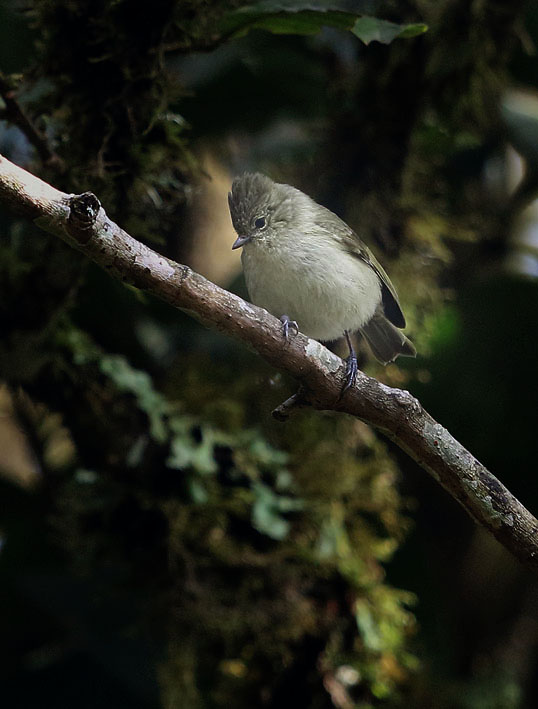
Yellow-browed Tit 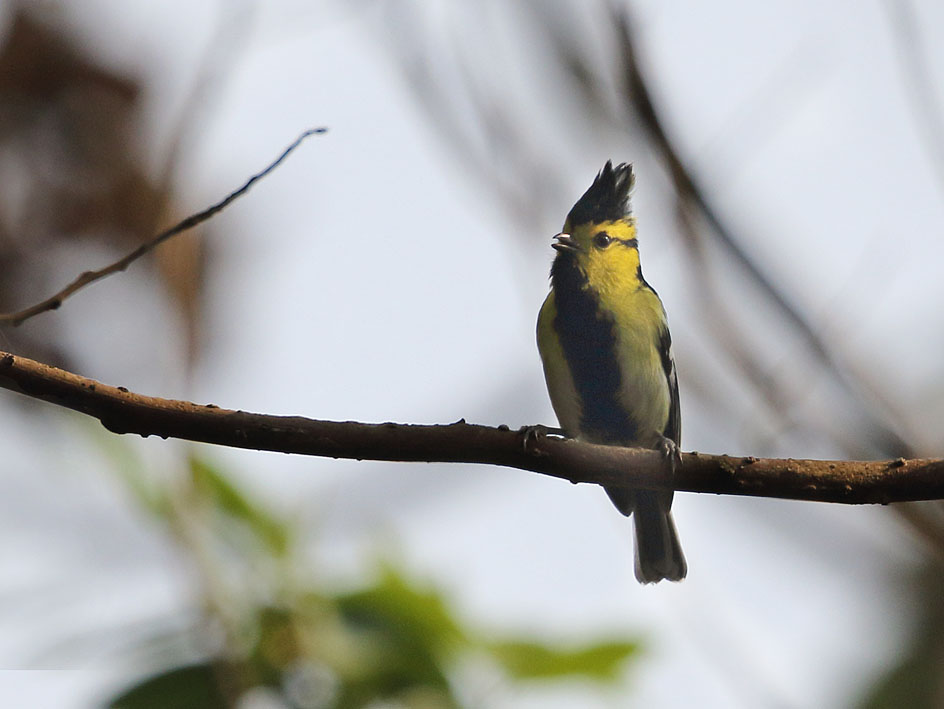
Yellow-cheeked Tit
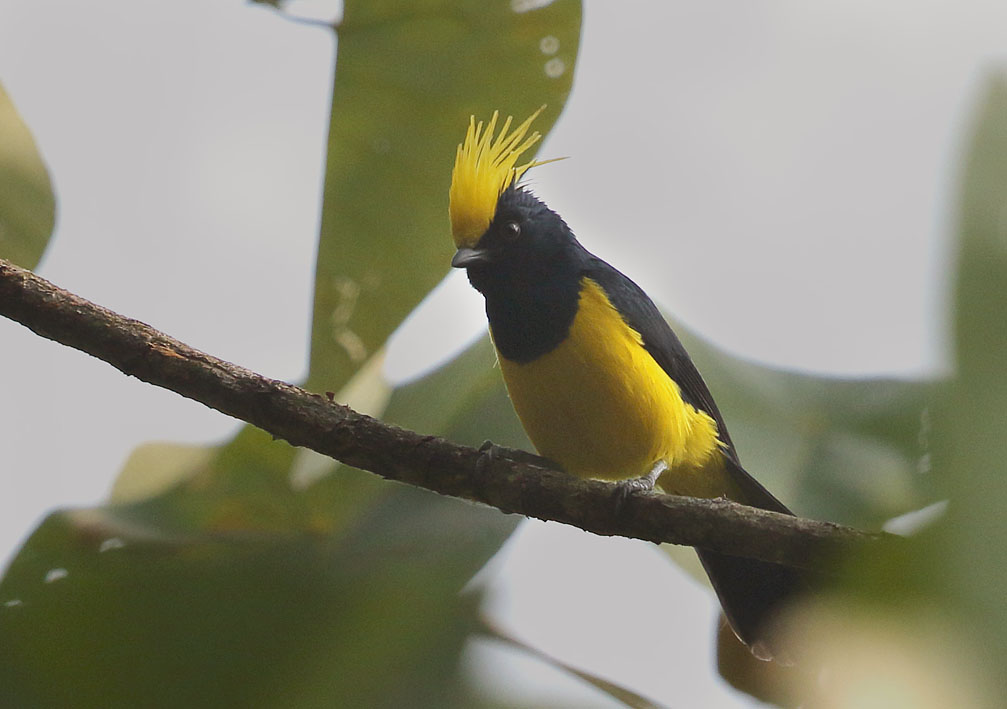
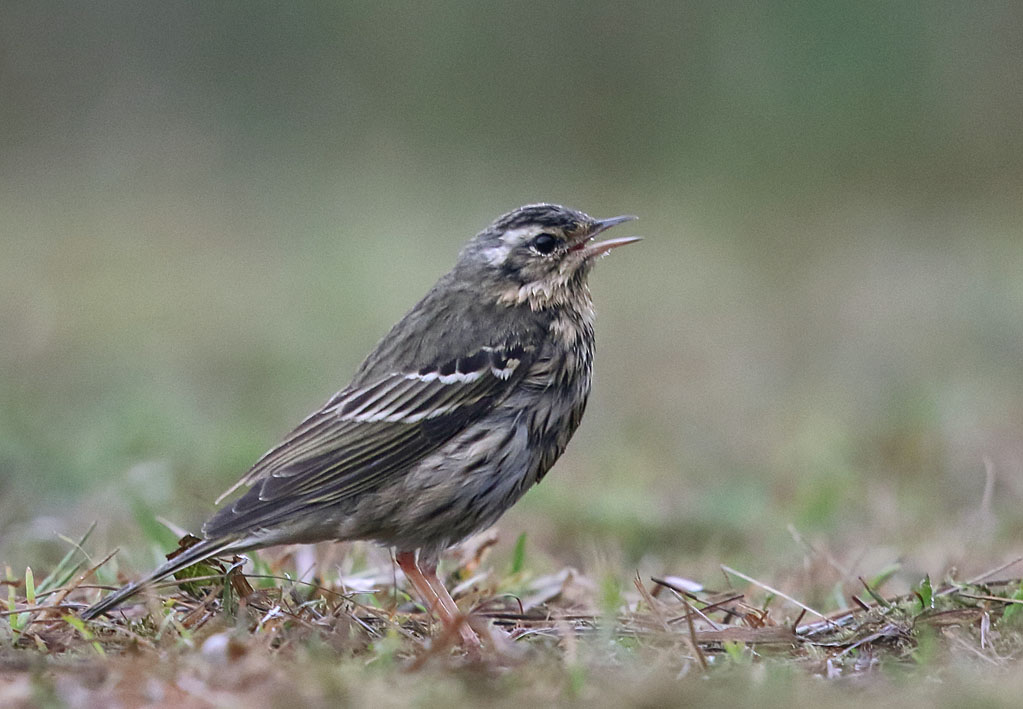
Among tree creepers, Brown-throated Treecreeper Certhia discolor, Rusty-flanked Tree creeper Certhia nipalensis, Chestnut-bellied Nuthatch Sitta castanea, White-tailed Nuthatch Citta himalayensis and Beautiful Nuthatch Citta Formosa were observed. Among Pipits only one species Olive-backed Pipit was observed during the period.
Among the observed Sunbirds including Green-tailed Sunbird Aethopyga saturata, Mrs Gould’s Sunbird Aethopyga gouldae, Black-throated sunbird Aethopyga saturata, Green-tailed Sunbird was most sighted. Fire-breasted Flowerpecker Dicaeum ignipectusand Yellow-bellied Flowerpecker Dicaeum melanoxanthum were seen. In addition Streaked Spiderhunter Aracnothera magna was also seen for two times.
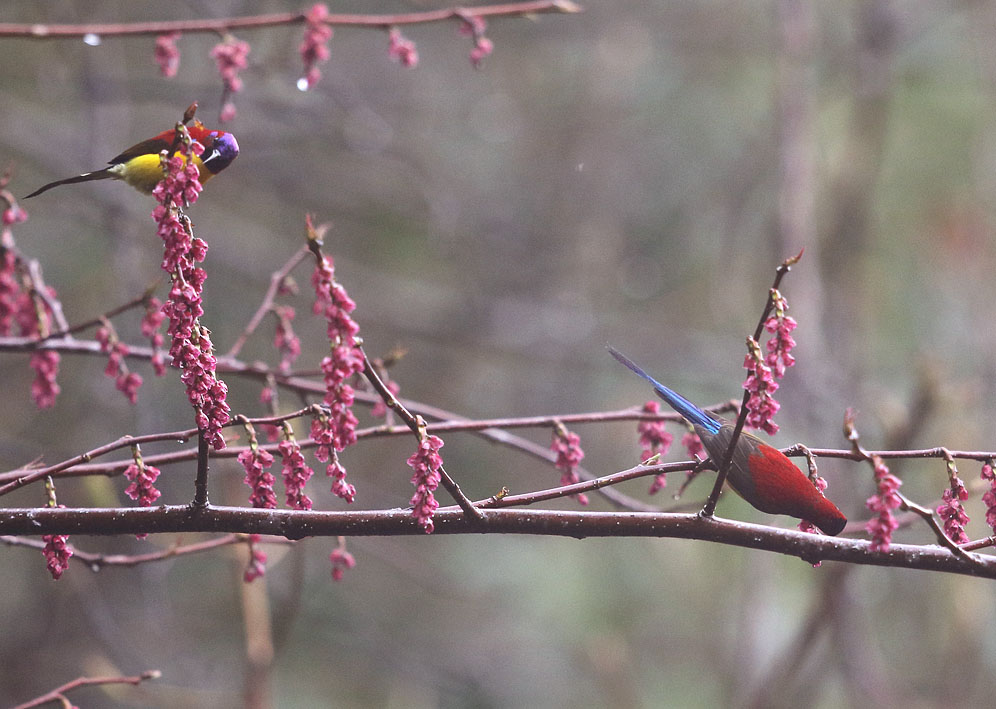

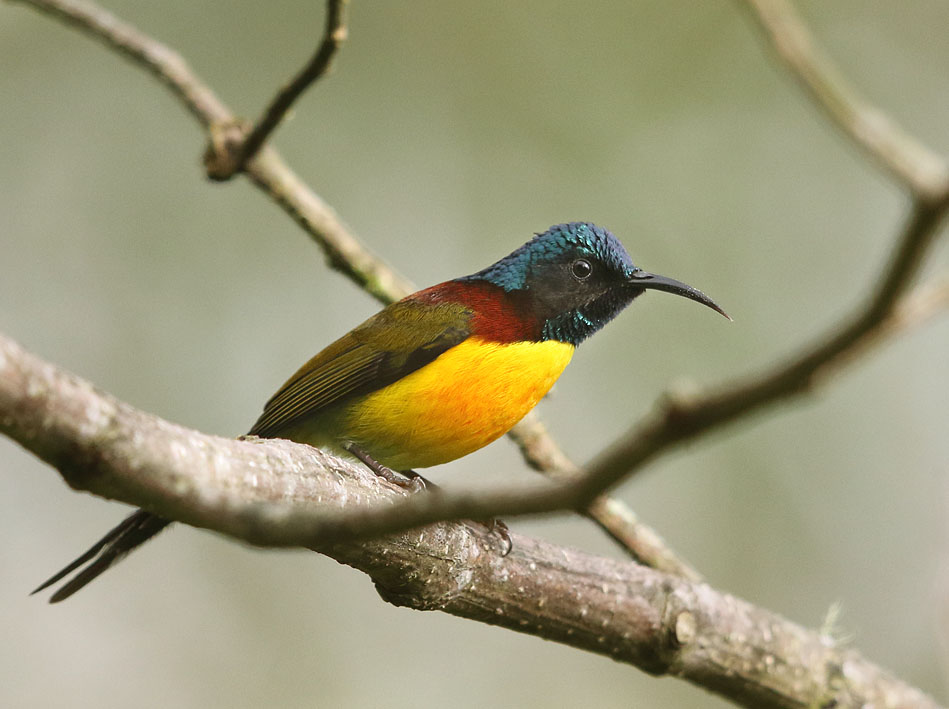
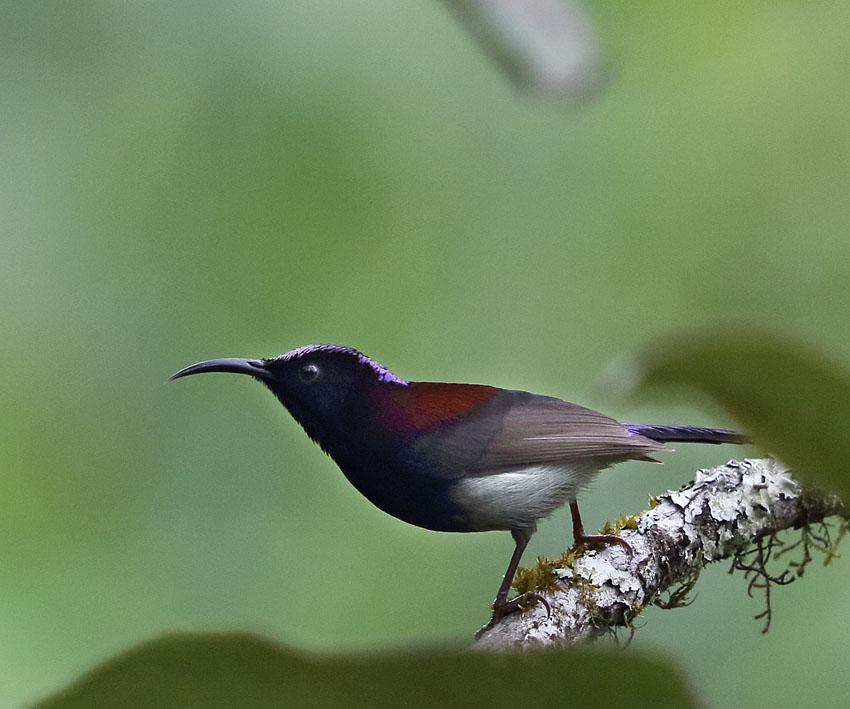
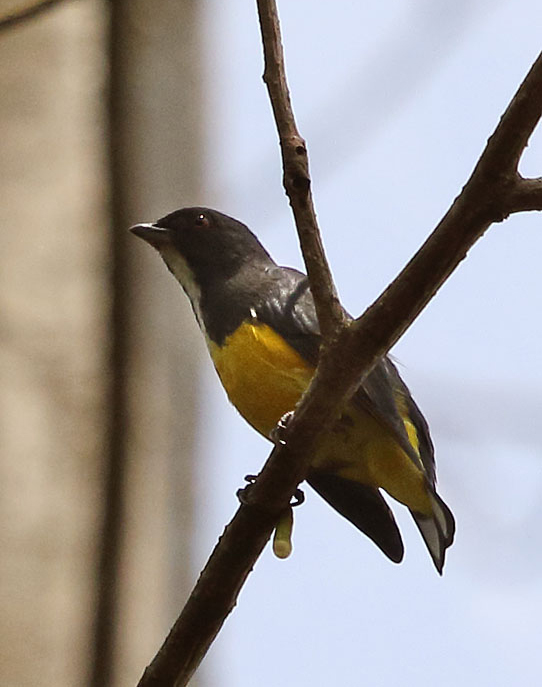
Sunbirds and flowerpeckers a observed. From top to bottome, Two Mrs Gould’s Sunbirds foraging on flowers, Middle row with Mrs Gould Sunbird (left), Green-tailed Sunbird (middle), Black-throated Sunbirds and Yellow-bellied Flowerpecker
Brown Bullfinch and Grey-headed Bullfinches were also observed

We stayed in Bompu Camp for five nights from March 28th to April 1st, 2021, and interacting with not less than a dozen other birders too. We woke up daily at the crack of dawn with the calls of birds and then rushing to the common facilities to freshen up quickly which was like an early morning competition where winners got the prize of undisturbed elusive bird sighting. After having a cup of tea and biscuits, when our bird guide got ready with packed breakfast, we started our day scouring the jungle for birds. Recording observations for whole of the day till dusk when only bird species like Kalij pheasants, Plain-backed Thrush and Himalayan blue-tails show their presence on the kuccha road was a routine and exciting exercise for all of the days spent in Eaglenest.
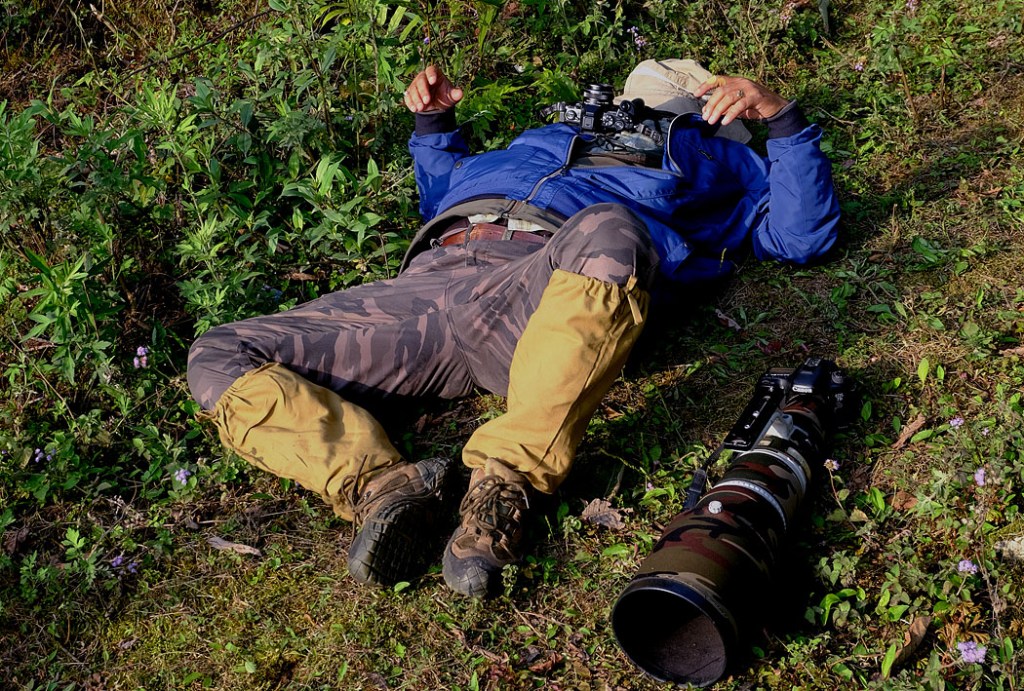
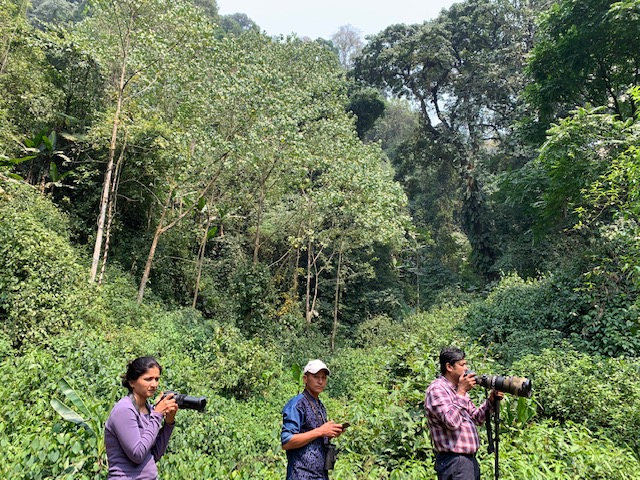
On April 2nd, 2021, we started early in the morning towards Lama Camp and surprisingly this day was sunny and without rains. Otherwise for whole of three days there were rains in the area. By evening we reached Guwahati to board our flights next morning back to our respective destinations with a pledge in mind to come back to repeat the survey again.
Table below shows the checklist of bird species along with their encounter rate as observed in Eaglenest wildlife sanctuary
| S.No. | Bird species | Encounter Rate |
| 1 | Great Barbet Psilopogon virens | 39 |
| 2 | Green-tailed Sunbird Aethopyga nipalensis | 38 |
| 3 | Himalayan Bluetail Tarsige rcyanurus | 25 |
| 4 | Beautiful Sibia Heterophasia pulchella | 24 |
| 5 | Rufous-vented Yuhina Yuhina occipitalis | 23 |
| 6 | Plain-backed Thrush or Alpine Thrush Zoothera mollissima | 17 |
| 7 | Ashy Drongo Dicrurus leucophaeus | 17 |
| 8 | Grey-headed Canary Flycatcher Culicicapa ceylonensis | 14 |
| 9 | Blue-throated Barbet Psilopogon asiaticus | 13 |
| 10 | Stripe-throated Yuhina Yuhina gularis | 12 |
| 11 | Large Hawk Cuckoo Heirococcyxs parverioides | 11 |
| 12 | Striated Laughingthrush Garrulax striatus | 11 |
| 13 | White-throated Fantail Rhipidura albicollis | 11 |
| 14 | Yellow-bellied Fantail Chelidorhynx hypoxantha | 11 |
| 15 | Grey-hooded Warbler Phylloscopus xanthoschistos | 10 |
| 16 | Striated Bulbul Pycnonotus striatus | 10 |
| 17 | Verditer Flycatcher Eumyias thalassina | 9 |
| 18 | Bronzed Drongo Dicruru saeneus | 7 |
| 19 | Golden-throated Barbet Megalaima frankinii | 7 |
| 20 | Kalij Pheasant Lophura leucomelanos | 7 |
| 21 | Orange-bellied Leafbird Chloropsis harwickii | 7 |
| 22 | Silver-eared Mesia Leiothrix argentaurius | 7 |
| 23 | White-spectacled Warbler Phylloscopus intermediua | 7 |
| 24 | Yellow-throated Fulvetta Alcippe cinerea | 7 |
| 25 | Chestnut-crowned Laughing Thrush Trochalopteron erythrocephalum | 6 |
| 26 | Hill Partridge Arborophila torqueola | 6 |
| 27 | Rusty-fronted Barwing Actinodura egertoni | 6 |
| 28 | Streaked Spiderhunter Arachnothera magna | 6 |
| 29 | White-crested Laughingthrush Garrulax leucolophus | 6 |
| 30 | Chestnut-headed Tesia Cettia castaneocoronata | 5 |
| 31 | Eurasian Tree Sparrow Passer montanus | 5 |
| 32 | Red-vented Bulbul Pycnonotus cafer | 5 |
| 33 | Black-winged Cuckooshrike Coracina melascistos | 4 |
| 34 | Brown Bullfinch Pyrrhula nipalensis | 4 |
| 35 | Brownish-flanked Bush Warbler Cettia fortipes | 4 |
| 36 | Emerald Dove Chalcophaps indica | 4 |
| 37 | Greater Rufous-headed Parrotbill Paradoxornis ruficeps | 4 |
| 38 | Grey-cheeked Warbler Phylloscopus poliogenys | 4 |
| 39 | Grey-chinned Minivet Pericrocotus solaris | 4 |
| 40 | Grey-headed Bullfinch Pyrrhula erythaca | 4 |
| 41 | Lesser Racket-tailed Drongo Dicrurus remifer | 4 |
| 42 | Long-tailed Thrush Zoothera dixoni | 4 |
| 43 | Mountain Imperial Pigeon Ducula badia | 4 |
| 44 | Mrs Gould’s Sunbird Aethopyga gouldiae | 4 |
| 45 | Rufous-necked Hornbill Aceros nipalensis | 4 |
| 46 | Ward’s Trogon Harpactes wardi | 4 |
| 47 | Black-faced Warbler Abroscopus schisticeps | 3 |
| 48 | Blue-capped Rock Thrush Monticola cinclorhynca | 3 |
| 49 | Brown-throated Treecreeper Certhia discolor | 3 |
| 50 | Chestnut-bellied Rock Thrush Monticola rufiventris | 3 |
| 51 | Chestnut-crowned Warbler Seicercus castaniceps | 3 |
| 52 | Fire-breasted Flowerpecker Dicaeum ignipectus | 3 |
| 53 | Hill Blue Flycatcher Cyornis whitei | 3 |
| 54 | Himalayan Cutia Cutia nipalensis | 3 |
| 55 | Large Niltava Niltava grandis | 3 |
| 56 | Mountain Bulbul Hypsipetes mcclellandii | 3 |
| 57 | Plumbeous Water Redstart Rhyacornis fulginosus | 3 |
| 58 | Rufous-gorgeted Flycatcher Ficedula strophiata | 3 |
| 59 | Rufous-throated Partridge Arborophila rufogularis | 3 |
| 60 | Rufous-winged Fulvetta Alcippe calcaniceps | 3 |
| 61 | Spotted Nutcracker Nucifraga caryocatactes | 3 |
| 62 | White-bellied Epornis Yuhina xantholuca | 3 |
| 63 | Yellow-cheeked Tit Machlolophus spilonotus | 3 |
| 64 | Ashy-throated Warbler Phylloscopus maculipennis | 2 |
| 65 | Black Bulbul Hypsipetes leucocephalis | 2 |
| 66 | Black Drongo Dicrurus macrocercus | 2 |
| 67 | Black Eagle Ictinaetus malaiensis | 2 |
| 68 | Blyth’s Tragopan Tragopan blythii | 2 |
| 69 | Golden-breasted Fulvetta Alcippe chrysotis | 2 |
| 70 | Grey-winged Blackbird Turdus boulboul | 2 |
| 71 | Long-tailed Minivet Pericrocotus ethologus | 2 |
| 72 | Long-tailed Sibia Heterophasia picaoides | 2 |
| 73 | Olive-backed Pipit Anthus hodgsonii | 2 |
| 74 | Pale-headed Woodpecker Gecinulus grantia | 2 |
| 75 | Pigmy Wren Babbler Pnoepyga pusilla | 2 |
| 76 | Rufous-backed Sibia Heterophasia annectens | 2 |
| 77 | Rufous-bellied Niltava Niltava sundara | 2 |
| 78 | Rufous-bellied Woodpecker Dendrocopos hyperythrus | 2 |
| 79 | Rufous-capped Babbler Stachyris ruficeps | 2 |
| 80 | Spotted Laughingthrush Garrulax ocellatus | 2 |
| 81 | White-browed Shrike Babbler Pteruthius xanthoclorus | 2 |
| 82 | White-tailed Nuthatch Sitta himalayensis | 2 |
| 83 | Barred Cuckoo Dove Macropygia unchall | 1 |
| 84 | Bar-winged Flyctcher-Shrike Hemipus picatus | 1 |
| 85 | Beautiful Nuthatch Sitta formosa | 1 |
| 86 | Black-eared Shrike Babbler Pteruthius melanotis | 1 |
| 87 | Black-naped Monarch Hypothymis azurea | 1 |
| 88 | Black-throated Parrotbill Paradoxornis nipalensis | 1 |
| 89 | Black-throated Sunbird Aethopyga saturata | 1 |
| 90 | Black-throated Tit Aegithalos concinnus | 1 |
| 91 | Blue-Whistling Thrush Myophonus caeruleus | 1 |
| 92 | Blyth’s Leaf Warbler Phylloscopus reguloides | 1 |
| 93 | Brown Dipper Cinclus pallasii | 1 |
| 94 | Brown-throated or Ludlow’s Fulvetta Fulvetta ludlowi | 1 |
| 95 | Chestnut-backed Laughingthush Garrulax nuchalis | 1 |
| 96 | Chestnut-bellied Nuthatch Sitta cinnamoventris | 1 |
| 97 | Chestnut-breasted Partridge Arborophila mandellii | 1 |
| 98 | Crested Hawk Eagle Nisaetus cirrhatus limnaetus | 1 |
| 99 | Crested Kingfisher Megaceryle lugubris | 1 |
| 100 | Crested Serpent Eagle Spilornis cheela | 1 |
| 101 | Darjeeling Woodpecker Dendrocopos darjellensis | 1 |
| 102 | Gold-naped Finch Pyrrhoplectese pauletta | 1 |
| 103 | Grey Bushchat Saxicola ferreus | 1 |
| 104 | Grey Peacock Pheasant Polyplectronbical caratum | 1 |
| 105 | Grey-bellied TesiaTesia cyaniventer | 1 |
| 106 | Little Bunting Emberiza pusilla | 1 |
| 107 | Little Pied Flycatcher Ficedula westermanni | 1 |
| 108 | Long-tailed Broadbill Psarisomus dalhousiae | 1 |
| 109 | Maroon Oriol Oriolus traillii | 1 |
| 110 | Maroon-backed Accentor Prunella emaculata | 1 |
| 111 | Nepal Fulvetta Alcippe nipalensis | 1 |
| 112 | Oriental Honey-buzzard Pernis ptilorhyncus | 1 |
| 113 | Oriental White-eye Zosterops palpebrosus | 1 |
| 114 | Pale Blue Flycatcher Cyornis unicolor | 1 |
| 115 | Pigmy Blue Flycatcher Muscicapella hodgsonii | 1 |
| 116 | Red-headed Trogon Harpactes erythrocephalus | 1 |
| 117 | Red-tailed Minla Minla ignotincta | 1 |
| 118 | Rock Pigeon Columba livia | 1 |
| 119 | Rufous-faced Warbler Abroscopus albogularis | 1 |
| 120 | Rufous-throated Wren Babbler Spelaeornis caudatus | 1 |
| 121 | Rusty-flanked Treecreeper Certhi anipalensis | 1 |
| 122 | Shikra Accipiter badius | 1 |
| 123 | Slaty blue Flycatcher Ficedula tricolor | 1 |
| 124 | Small Niltava Niltavamacgrigoriae | 1 |
| 125 | Snowy-browed Flycatcher Ficedula hyperythra | 1 |
| 126 | Spotted Forktail Enicurus maculatus | 1 |
| 127 | Striated Yuhina Yuhina castanicpes | 1 |
| 128 | Sultan Tit Melanochlora sultanea | 1 |
| 129 | White-browed Bush Robin Tarsiger indicus | 1 |
| 130 | White-capped Water Redstart Chaimarrornis leucocephalus | 1 |
| 131 | White-naped Yuhina Yuhina bakeri | 1 |
| 132 | White-throated Bulbul Alophoixus flaveolus | 1 |
| 133 | White-throated Laughingthrush Garrulax albogularis | 1 |
| Total | 585 |
 Aranyadhyan
Simply fantastic account of birding adventure !!!!!!!
LikeLiked by 1 person
Thanks sir
LikeLike
Baba , great to go through wonderful pictures
Felt as if I’m der
Just we wanna go der
LikeLiked by 1 person
Just beautiful and very informative. Interesting to read.
LikeLike
All in one, nature at its best, beautiful glimpse of flora and fauna, awesome mountain ranges, great virtual journey through you in wonderful region of India, Really awesome and have no words to explain my feelings for the way you have compiled the document.
Hats of to you for academic summary in the end.
Wonderful feel
LikeLiked by 1 person
Very well written and nicely described. Your knowledge about flora and fauna especially birds is extraordinary.
LikeLiked by 1 person
You at your best despite handicaps which that habitat is determined to offer. Keep up, bravo, you doing exceptionally well even though a Forest officer — scripting lessons to colleagues, hope they receive inspiration! Cheers.
LikeLike
Thanks sir
LikeLike