Gobind Sagar Bhardwaj
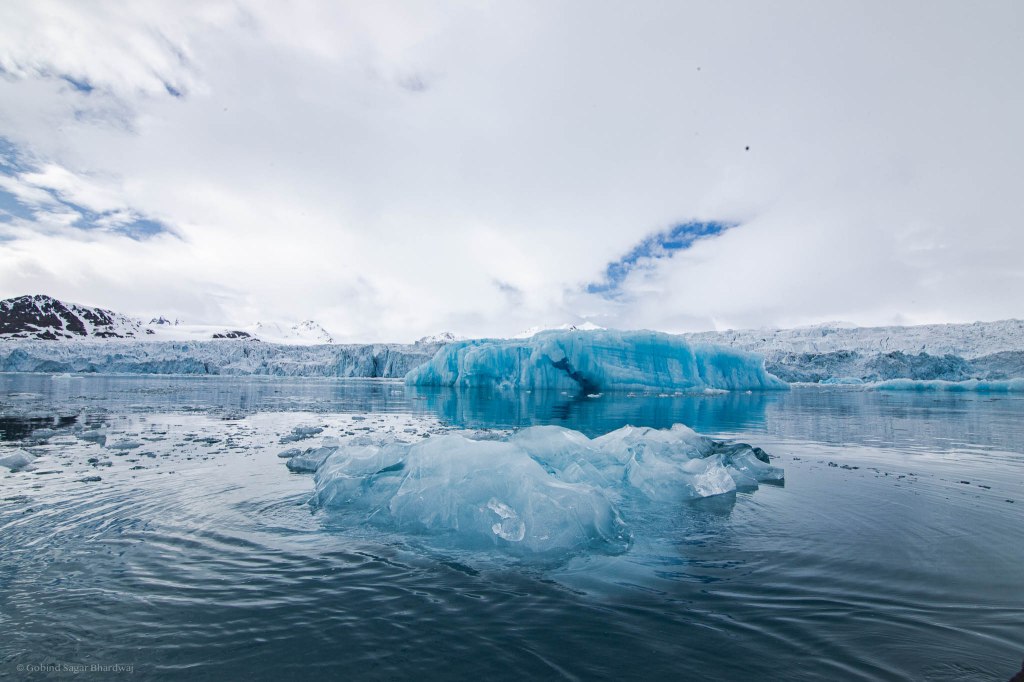
Arctic Circle, a place where the sparkling blue sea adorned with crystalline icebergs, washes the glaciers and snowy coastline of numerous islands. It is the southernmost imaginary circular line in northern hemisphere where sun can remain continuously above or below the horizon for a full 24 hours during the solstices, making this place sheer fascinating. The mystical charm that rules over every inch of this wonderland is alluring for every nature lover.
Lying beyond N 66°33′ latitude, this circle with extreme cold temperatures, harsh climate and vast expanse of frozen tundra landscape is a natural habitat to some amazing wildlife which includes iconic species like polar bear, arctic fox, whales, walruses, seals and different arctic avifauna. This area of reindeers, huskies and sledges is also known for research, exploration and extreme expeditions. For the climatologists the arctic ice and permanent ice of Greenland remained a subject of interest to predict the pre-historic climate through studying ice cores. Many polar expeditions have made Svalbard their base for scientific studies. The first polar exploration was conducted by British Captain C.J. Phipps in 1773, followed by Norwegians, Swedish and German groups in the nineteenth century. Seals, walruses, whale, reindeers, ptarmigans, arctic fox and bears have enticed the hunters in past but now they enthrall so many wildlife enthusiasts and conservationists.
As a wildlife enthusiast, exploring Arctic wildlife especially Polar bear was on our wish list for more than a decade. Finally the Svalbard expedition has finally begun, and we were ready to embark on a journey of exploration unlike any other. The next 10 days we were all geared up for our expedition on MS Villa to navigate through different fjords towards 80° north. With each of our sailing move through the frozen sea and the walk we took on the frozen terrain full of boulders, we felt a deep connection to the raw beauty of this untamed nature. As we sailed in our zodiac through fjords and deeper into the Arctic, we encountered an abundance of wildlife especially sea animals. The vast sea with floating ice sheet, floating icebergs, receding glaciers and snow capped mountains with unique wildlife seemed to showcase their stories of resilience and adaptability, reminding us of the delicate balance of life in such extreme conditions. Majestic polar bears while strolling on the ice and swimming in the frigid sea, explained their noble presence a testament to their survival skills. Whales and seals gracefully navigated the frigid waters, while arctic foxes continue wandering for food below the colonies of shore birds, herds of walruses roosting on shores, pelagic birds following our vessel and auks, the environmental engineers, transporting biota from sea to inert shores to make them alive. The richness of this ecosystem was a reminder of the interconnectedness of all living beings, even in the harshest of environments. Every moment of our voyage was memorable that we try to describe while narrating about the days that we spent in the ship.
Day One (7.6.2023)
Longyearbyen, a city of stored grain germplasm
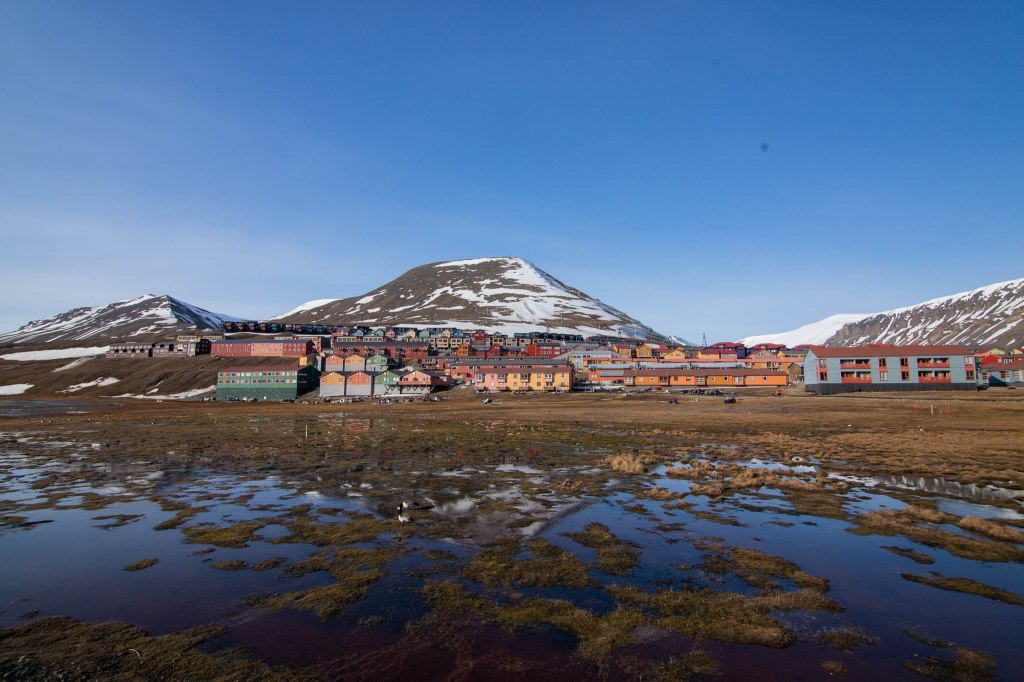
Longyearbyen* 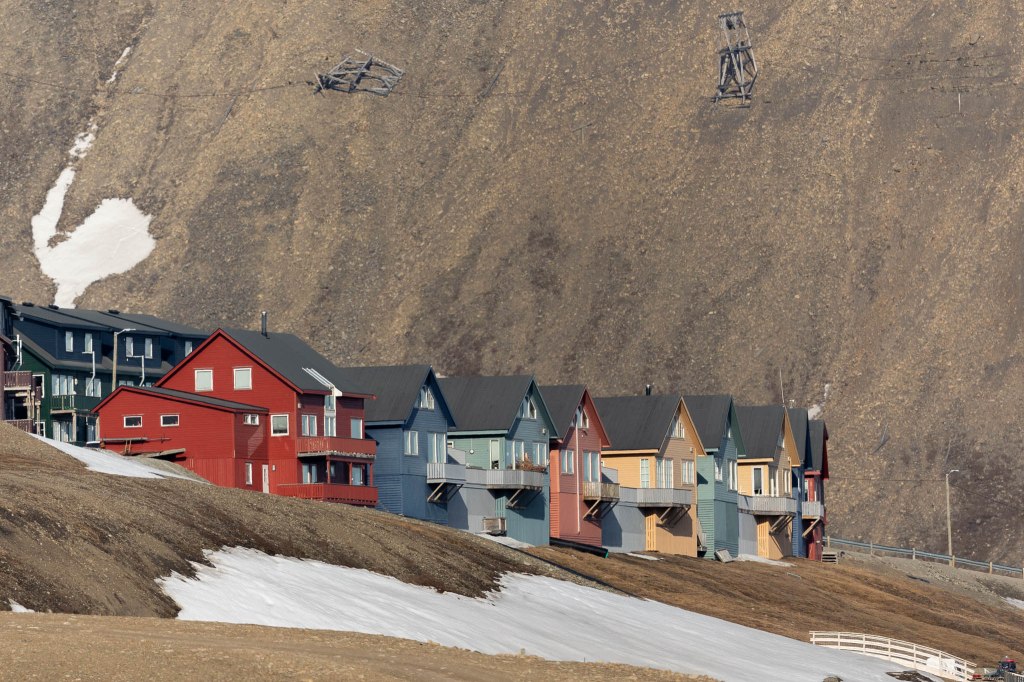
Fabricated Houses 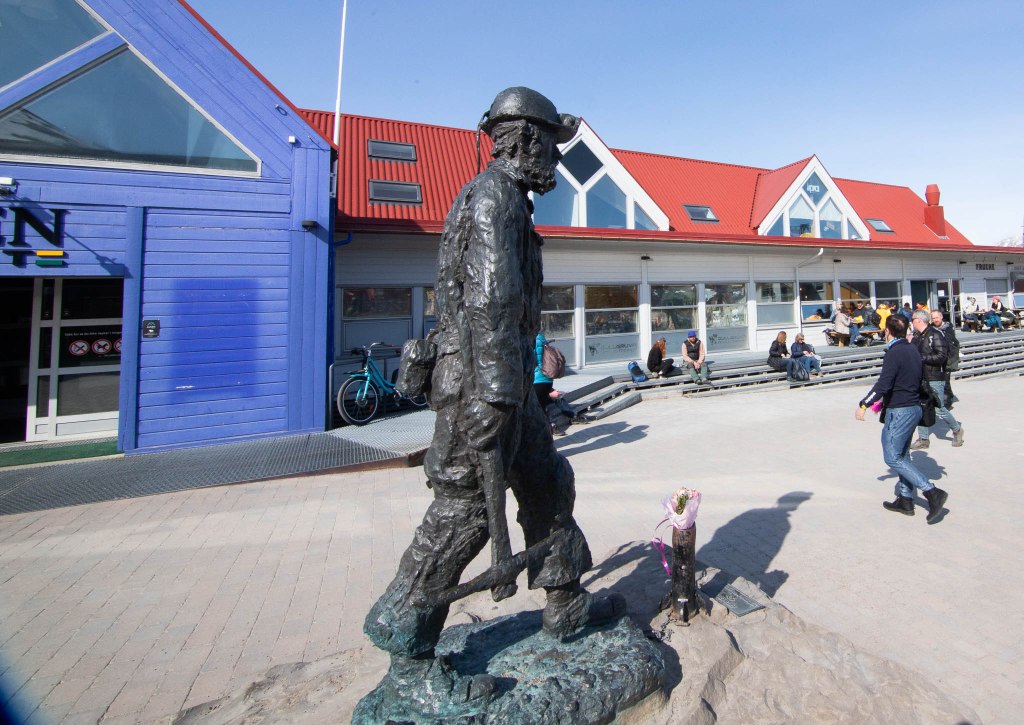
A statue of coal miner placed in middle of Market 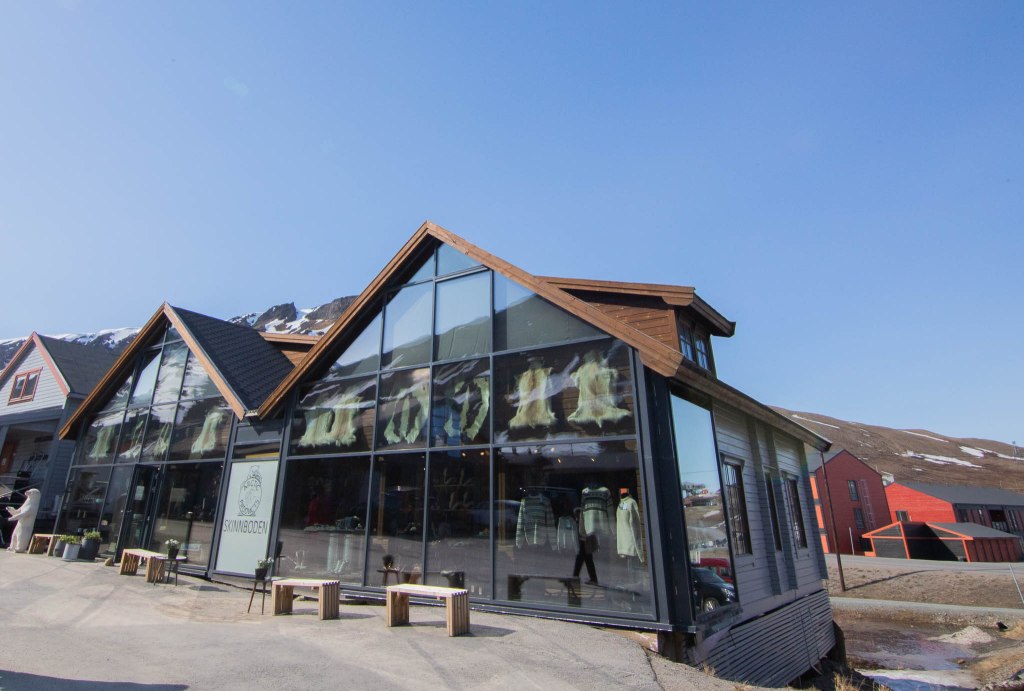
A shop of in Longyearbyen with skin hides of Svalbard Reindeers are hanging for sale
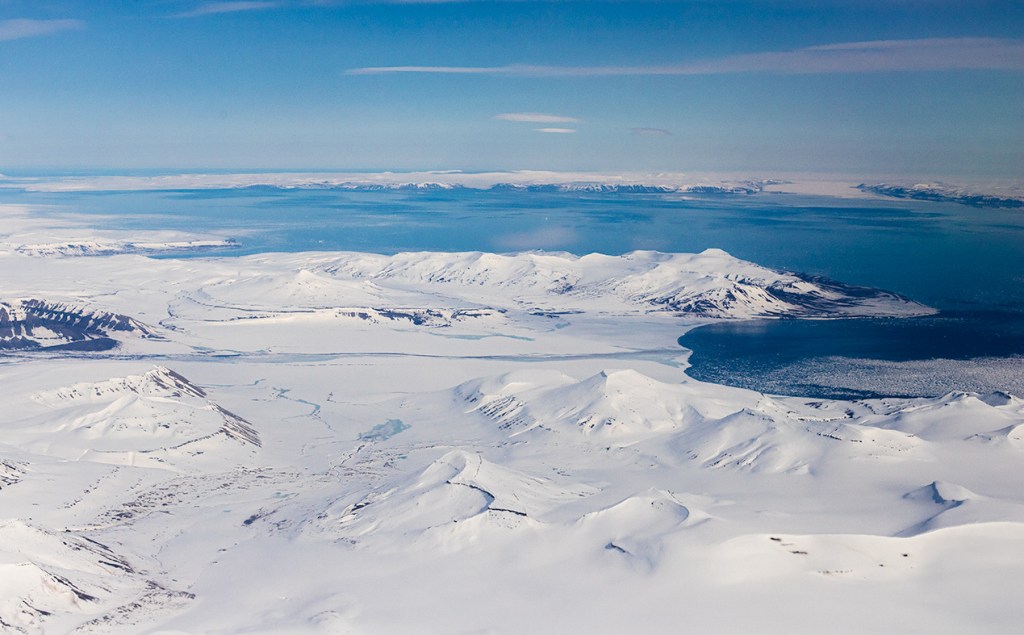
Our group leader, Yashpal Rathod was preparing for the expedition for last one year. A three hours flight from Oslo to Longyearbyen crossing the Lying north of the mainland Europe, Svalbard also known as Spitsbergen, is Norwegian archipelago in Arctic Ocean and is located about midway between the northern coast of Norway and the North Pole. Finally, we a group of a complete dozen landed in Longyearbyen in the local noon of Svalbard Archipelago. Named after John Munro Longyear, an American Coal miner who started coal mining in 1906 in the city, the place was called as Longyear until 1926. The latitude ranges from 74° to 81° North latitude and 10° to 35° East longitude for different islands.
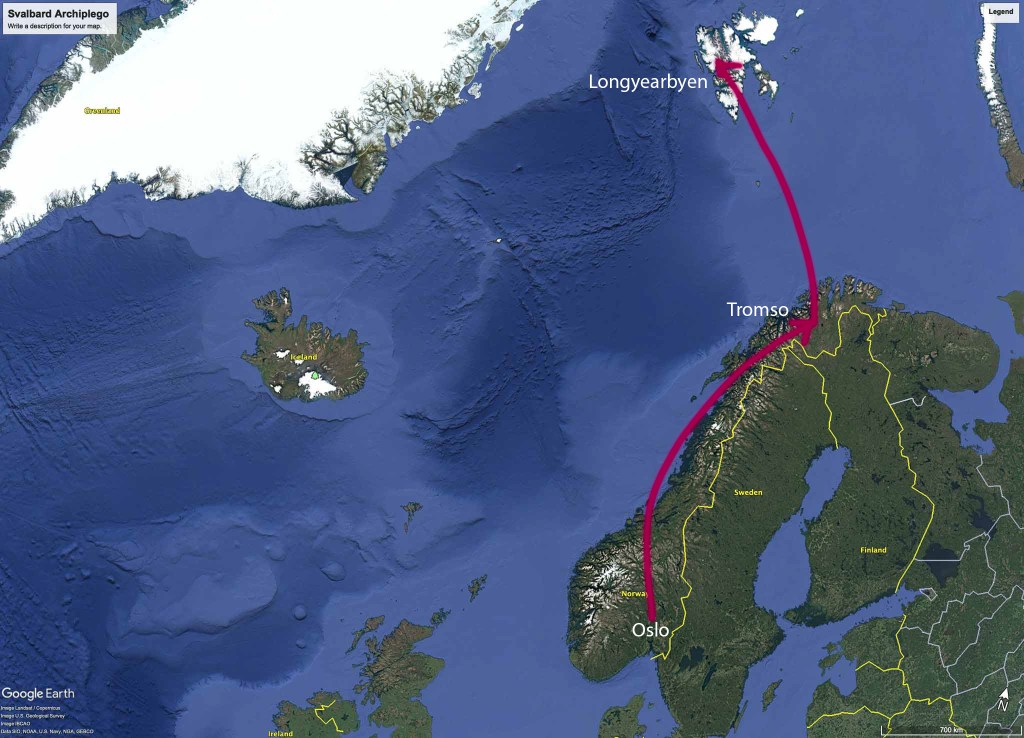
Air Route from Oslo to Tromso and then to Longyearbyen 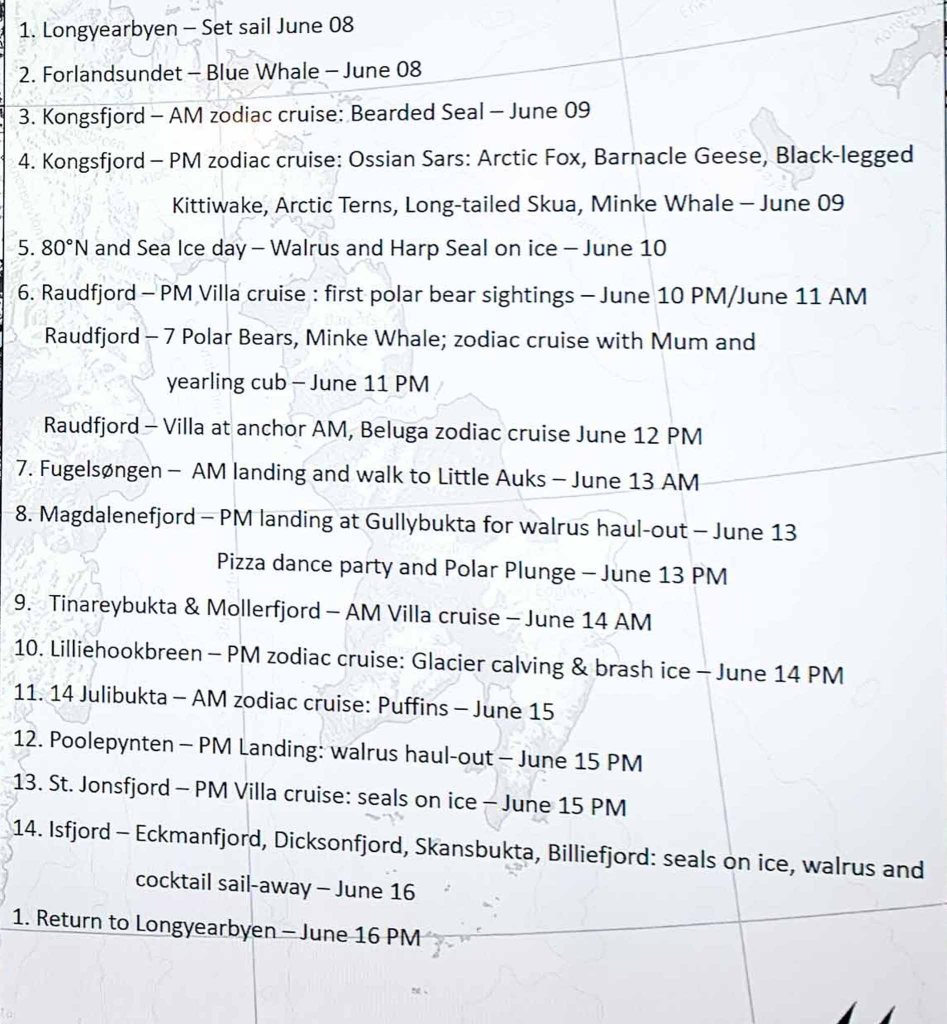
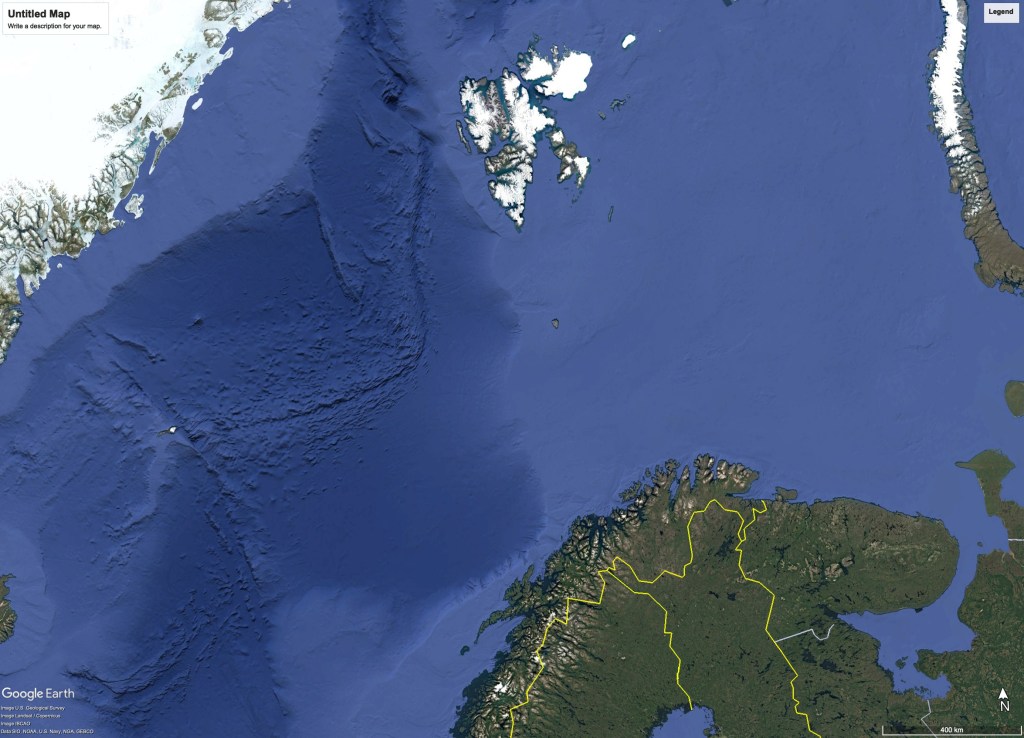
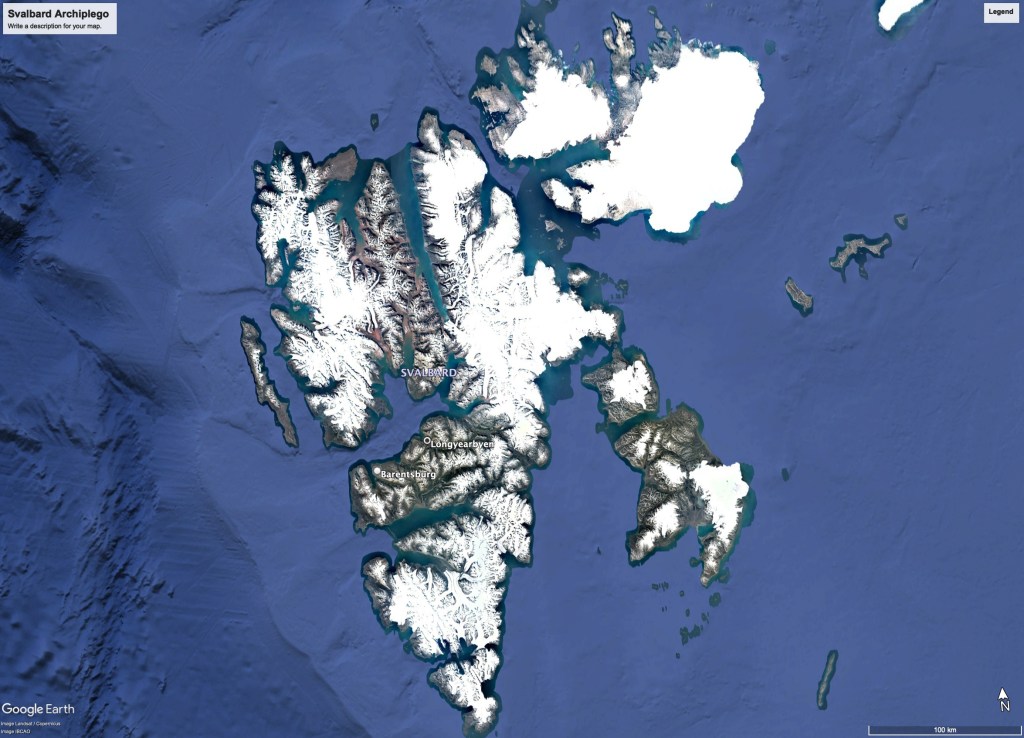
Svalbard Archipelago 
Expedition Route
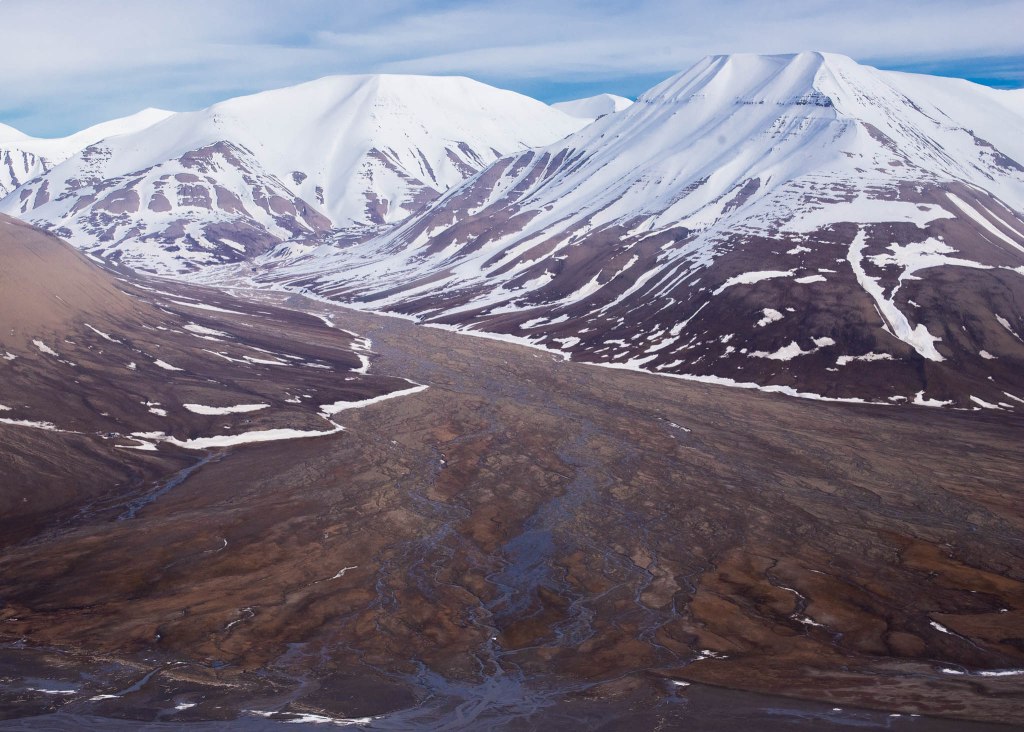
The only airport, Longyearbyen is in Spitsbergen, the biggest of all Islands with largest human settlement. After a brief history of being a base for whalers till the beginning of 20th century, this archipelago was well recognized for coal mining by Norwegian and Russian companies, however, now a day it is famous for University Centre, Svalbard Global Seed Vault (SGSV) and tourism. While the University Centre of Svalbard is meant for higher education and research in the region, the SGSV is a secure backup facility for the crop diversity present across the globe through preservation of germplasm in cold conditions.
The city is unique that no one is allowed to die here! For last 70 years there has been a ban in the city for burials due to freezing temperature and permafrost that does not allow the decomposition of dead bodies, thereby a great potential for pandemics. That’s why in 1950, the Norwegian government enacted a law, making it illegal to die and be buried within the town limits. To discourage people from dying within the town limits, the entry to the existing cemeteries were all closed. But where there is life, there’s death too. People of Longyearbyen who are dying are taken to the Norwegian mainland, over 2000 km away. We immediately checked in the reception hotel lobby and one of the staff guided us to a two storied building adjacent to the reception.
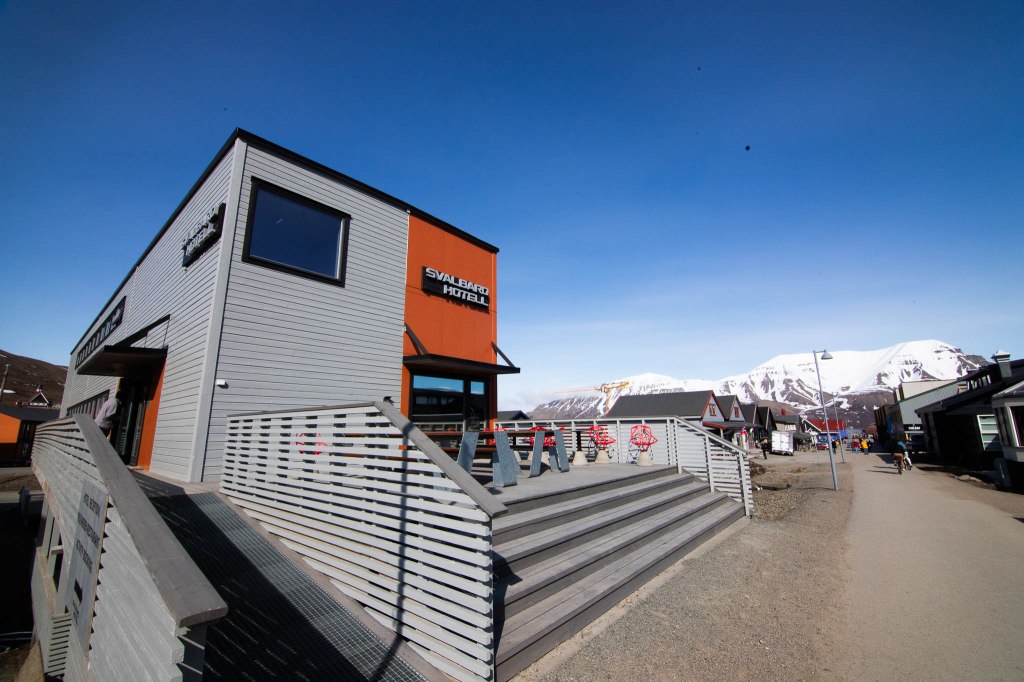
A signage was there to remove and keep our shoes in a small rack, an old tradition to avoid taking shoes in the cozy warm rooms decorated with clean and attractive carpets. Actually the Longyearbyen town was settled by coal miners. With a precaution to keep the rooms clean from the coal dust mixed with snow and moisture the boots laden with dirt were not brought inside the living areas, a necessity during old days that has become now a custom. After removing our shoes and carefully placing in the open racks we climbed wooden stairs and our rooms were shown. We immediately dumped our luggage, covered body with more layers and came out of our warm and cozy rooms, not forgetting taking our cameras. We were hoping to do some birding and update our checklist with some lifers (lifer is a word used by the birders for the birds seen for first time) too. A penetrating cold wind welcomed us the moment we stepped out. We went ashore the sea to try our luck for getting some water birds including waders . While standing ashore icy sea in this small town and looking towards horizon an excitement of awaiting adventure and immense joy rushes through our veins. Just outside our hotel we were able to see Snow Bunting which was actually observed to be most abundant bird in little town.

A Snow Bunting male while foraging 
Arctic Tern 
A pair of Barnacle Geese 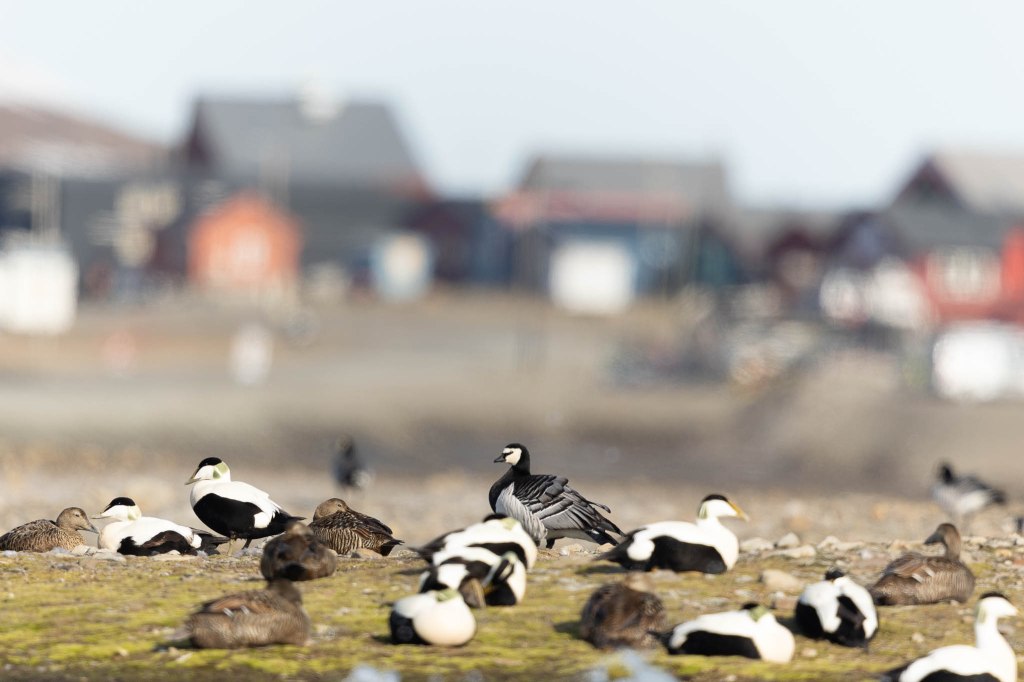
Birds of same feather flock together
We started strolling towards eastern side of the town. Arctic Terns were continuously hovering over near the water body. Some pairs of Barnacle Geese flew were foraging on the the ground. Hundreds of Common Eiders were there. A pair of King Eider was ashore a small water body adjacent to a private property.

A pair of Snow Bunting, flitted from the ground and took a perch on a wire. We headed towards east of the town. There was no concrete, brick or stone structure as almost all of the houses were actually made of fabricated material. A pair of snow colored Svalbard Reindeers almost the size of big goats, were seen grazing just adjacent to a house. A few more Snow Buntings were seen foraging near a small stream. Hundreds of Common Eider was seen either swimming in small water body or nesting just below the space of shelves below a private property built entirely of wood around one kilometer from the town.

Common Eiders swimming in a small pond adjoining wooden house 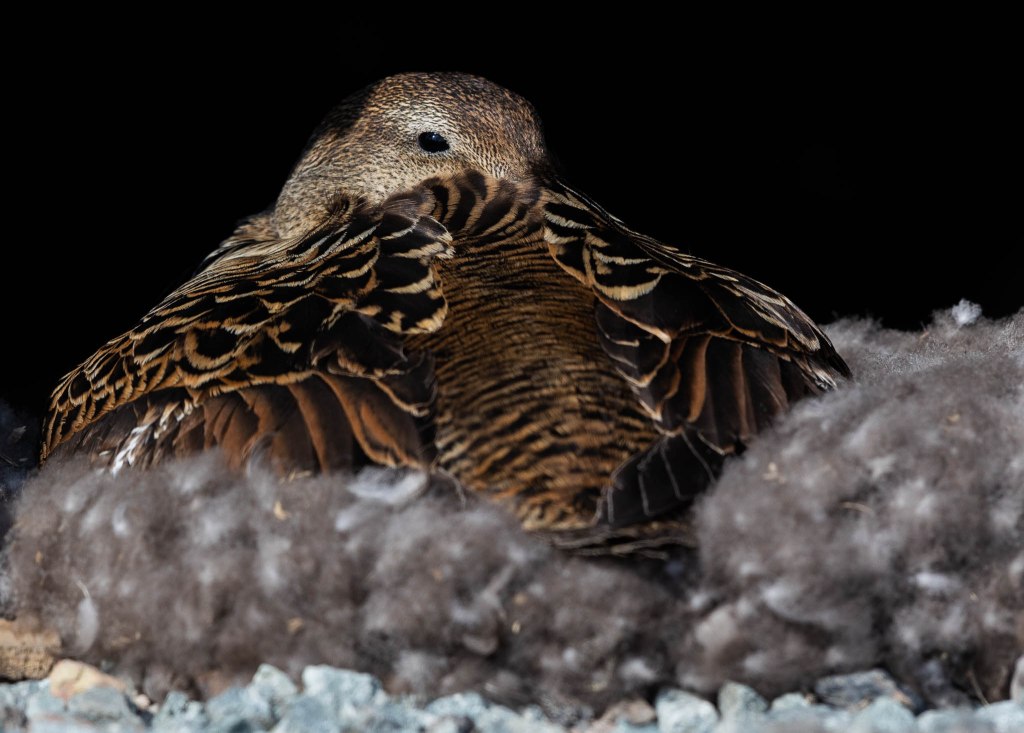
Nesting Common Eider 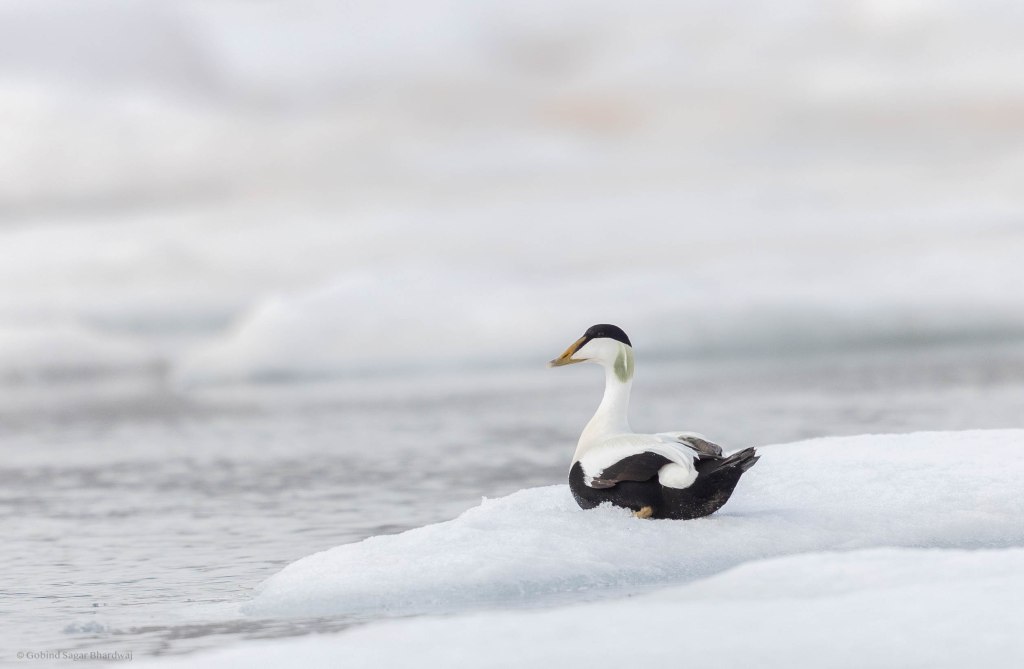
Male Common Eider 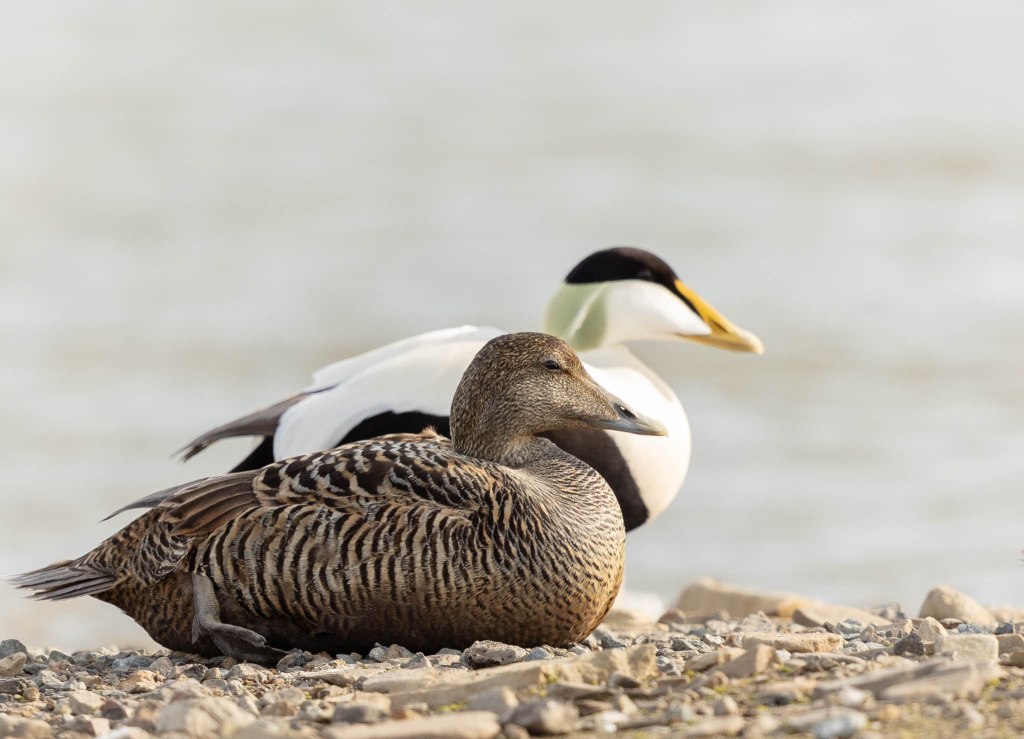
A pair of common Eider
Nest was actually a small bowl made adjusting the sand and small pebbles and were heavily layered with down feathers of same species. Actually the local islanders collect these down feathers stuffing pillows, quilts, jackets etc. for warming purposes in these cold and frigid conditions. That’s why this bird is of cold climate is having a warm repute. After getting good shots of this bird, we headed further east. although there there were no trees, no bushes but some grass species, however, Svalbard is home to many species of mosses, lichens, grasses, herbs, flowering plants and dwarf shrubs; many of which have developed various adaptations in order to survive in this icy landscape.

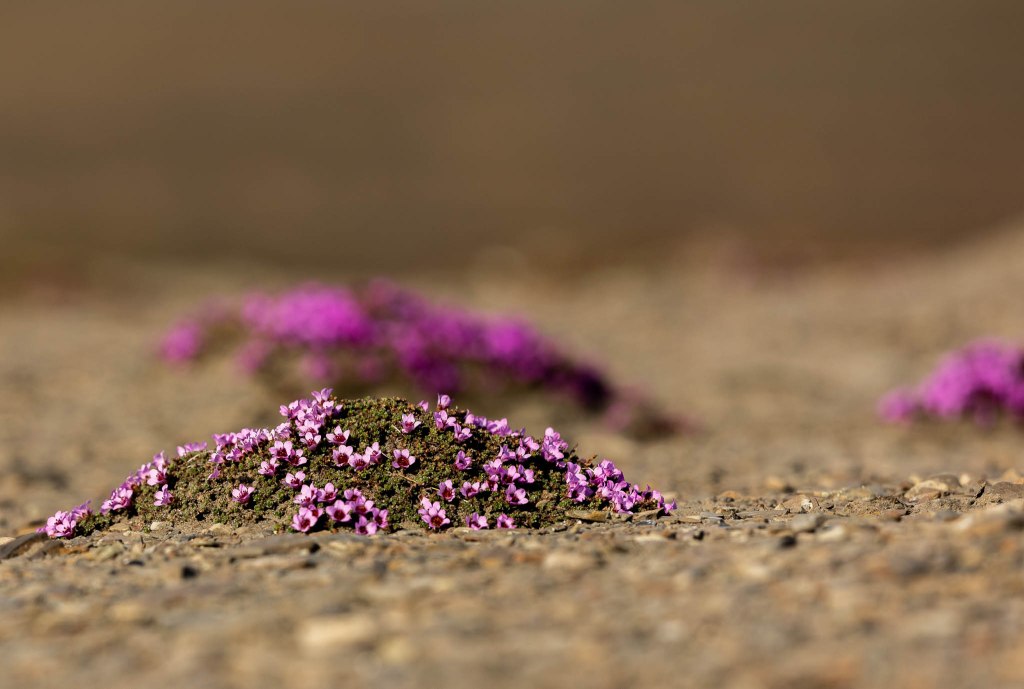
Small cushions of beautiful flowering plant were seen in no mans area that was identified as Purple saxifrage (Saxifraga oppositifolia). While we were exploring that area, a passersby, must be a local warned us not to wander that far as there are chances of Polar Bears also. So we retreated back to our hotel. Time was already 2200 HRS and it was like full day light. We were already advised to put all the curtains of our rooms so as to make rooms dark so that we could sleep. From next day the expedition was about to start from noon hours.
Day 2 (8.6.2023)
Welcome by King Eider in Longyearbyen
Although Longyearbyen caters a variety of tourism activities like sledge rides, huskies and ice scooters, we didn’t fall for these distractions and rushed for some quick birding in the local area.
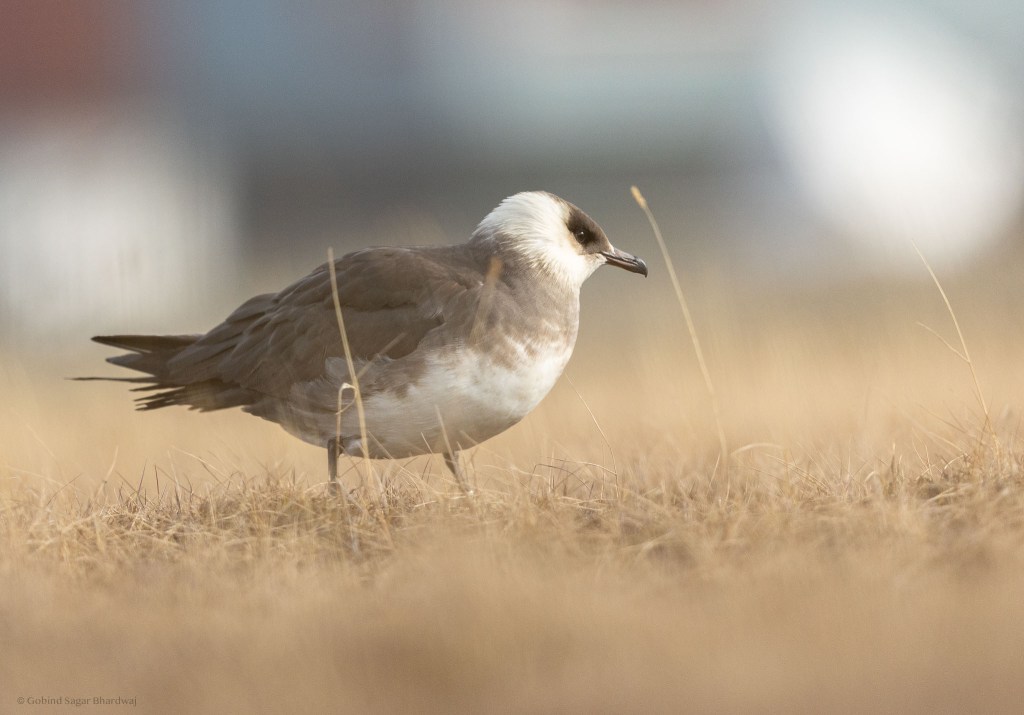
Parasitic jaeger 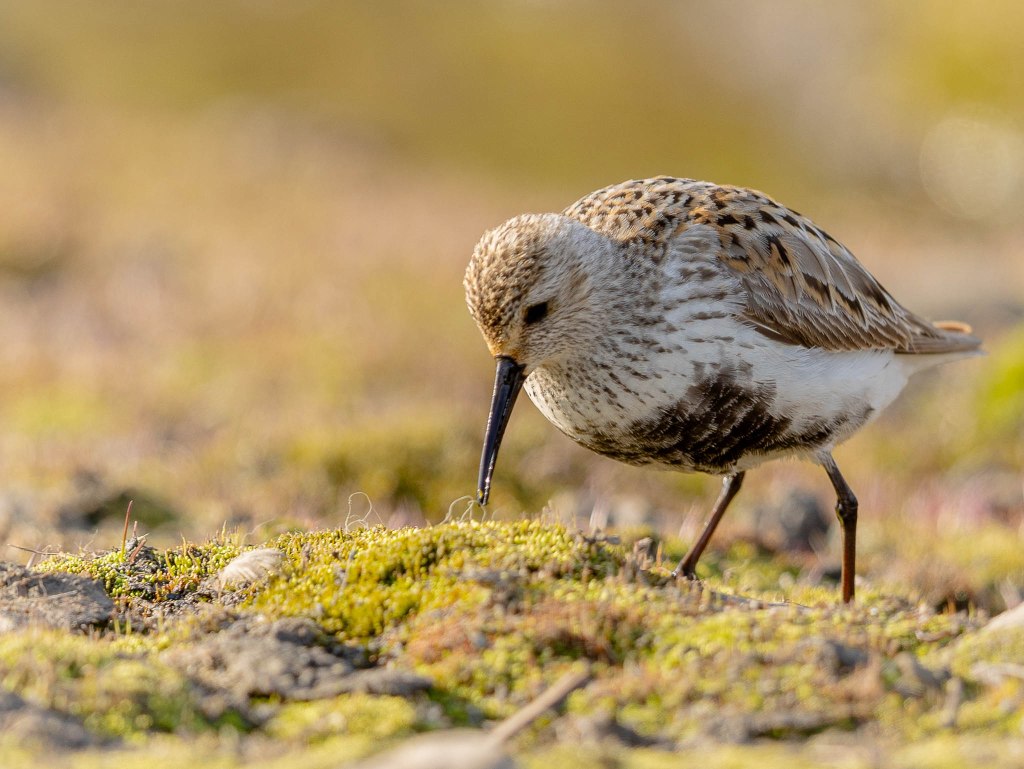
Dunlin 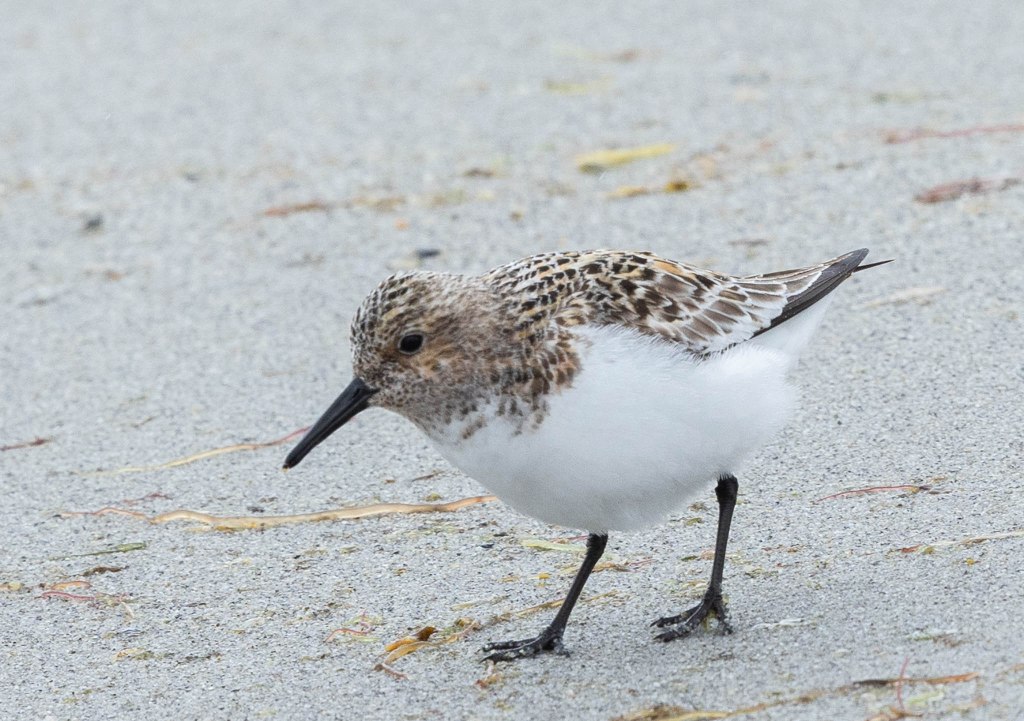
Sanderling 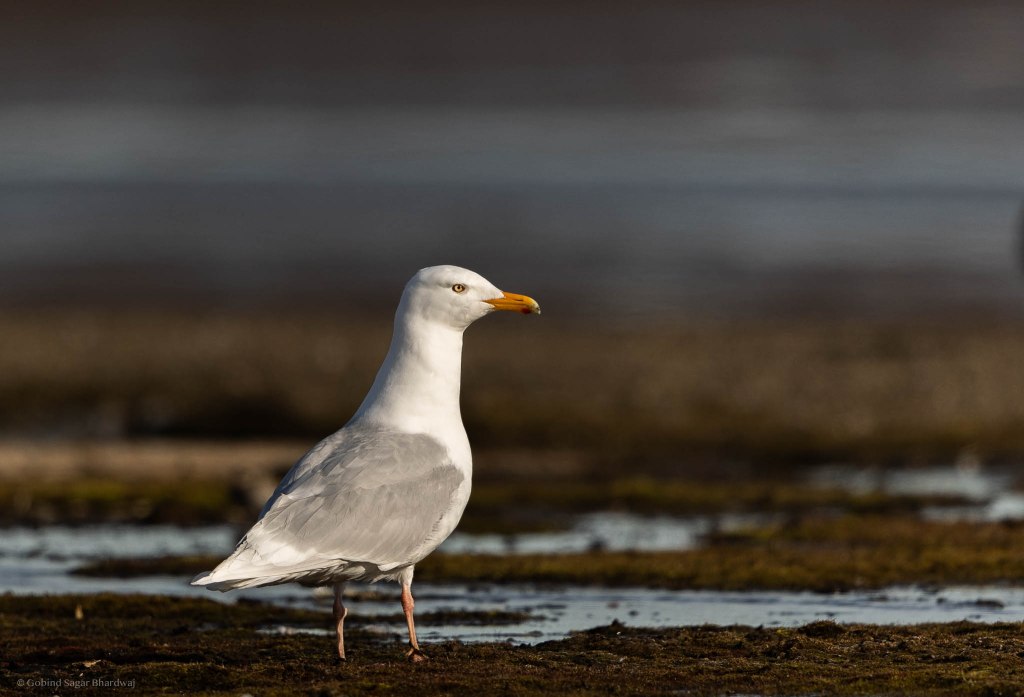
A Gull 
Purple Sandpier
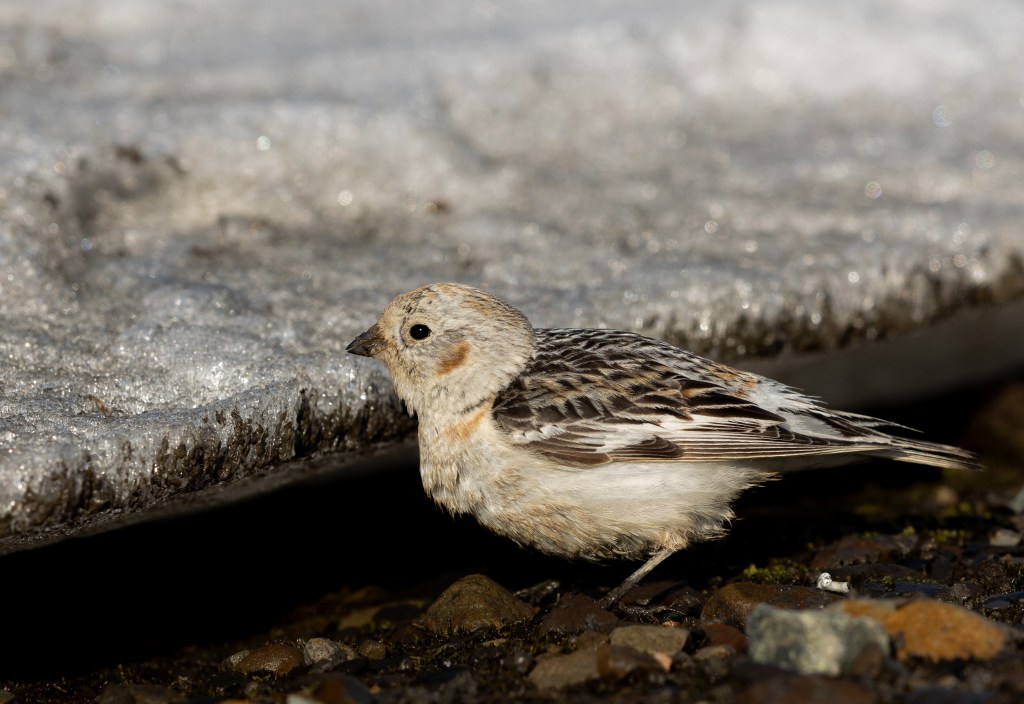
Morning hours were spent doing birding on the outskirts of the town ashore a water body around one and half a kilometre away from the hotel, a same area that was explored yesterday. Among sighted, Snow Bunting, Barnacle Goose and Common Eider were the most common. In addition, Arctic Skua, Gulls, Purple Sandpipers and Arctic Terns were spotted near a water body. Hundreds of Common Eiders were seen in the area, both in water body as well as roosting near the human settlement. Interestingly the females were seen close to human settlement where a lone King Eider (Somateria spectabilis) pair was seen.

The Latin species name spectabilis means “remarkable display”, referring to the drake or adult male in its breeding plumage. During this time, it is unmistakable with powder-blue head and neck, light green cheek with a brilliant orange-yellow frontal lobe outlined in black with a red bill. We could not explore further as we were told not to venture alone without armed escort.
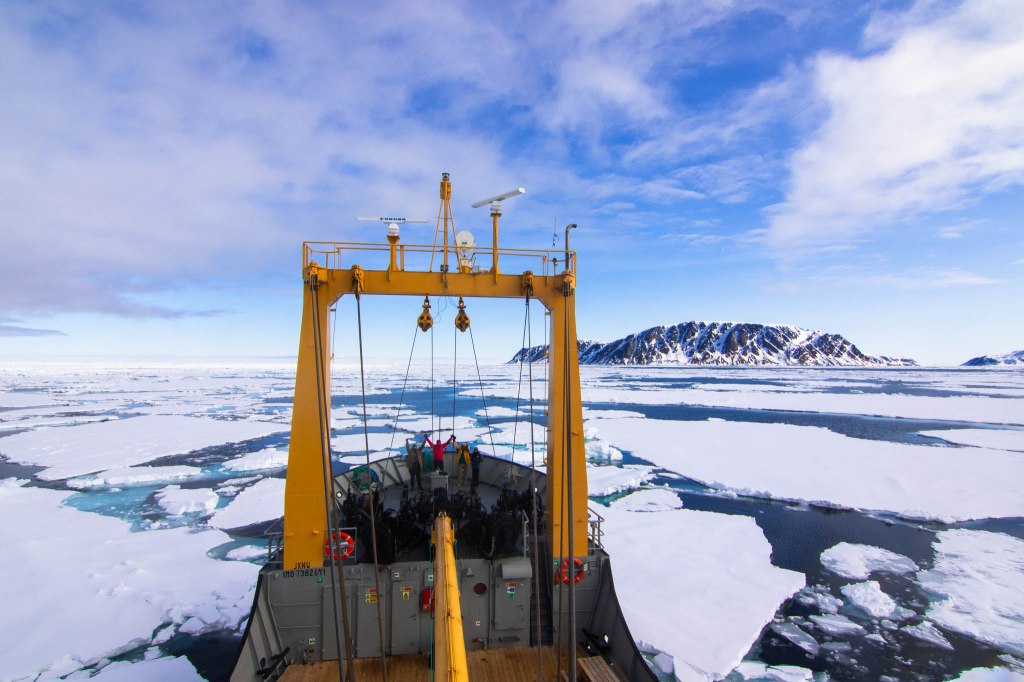
We were on board MV Villa by 1600 hrs on the second day to start our exciting expedition. The vessel is a former buoy-laying ship that has been recently converted into a passenger ship that can accommodate 12 guests in tasteful cabins. We love Villa because she is built for the polar environments making her an ideal vessel for expedition cruising. Her fast speed coupled with her rugged exterior makes her the ideal vessel for adventuring into the pack ice north of Svalbard (something many ships are not capable of). And she delivered the perfect expedition experience every time. After a brief introduction with the crew of our Villa our expedition guides Ms Pippa of Scotland and Ms Moira of Canada gave important instructions about different protocols to be followed during journey.
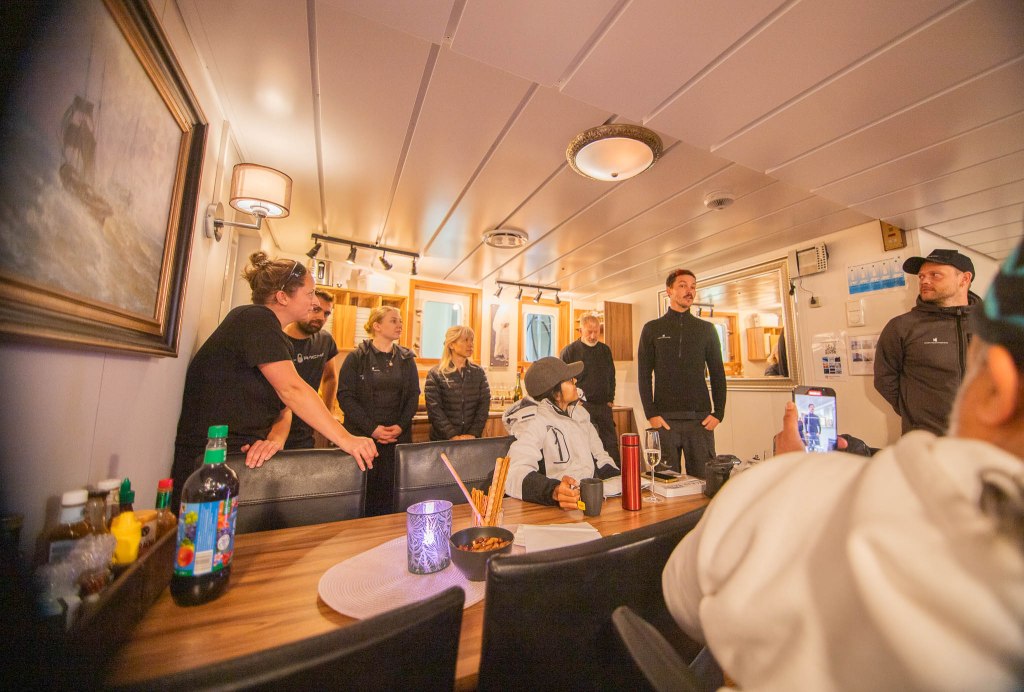
Although the expedition plan as narrated Captain Tarjei and guides were seemed to be exciting, however the food plan as narrated by our chef Francois increased our apatite. It was the way and his body language while describing each of his planned dishes that was impressive. Immediately after this short briefing, we rushed to deck as we were dying to see the scenario outside. We were not expecting the icy wind because of our sailing speed that was biting our exposed skin and thin layers that we were wearing.

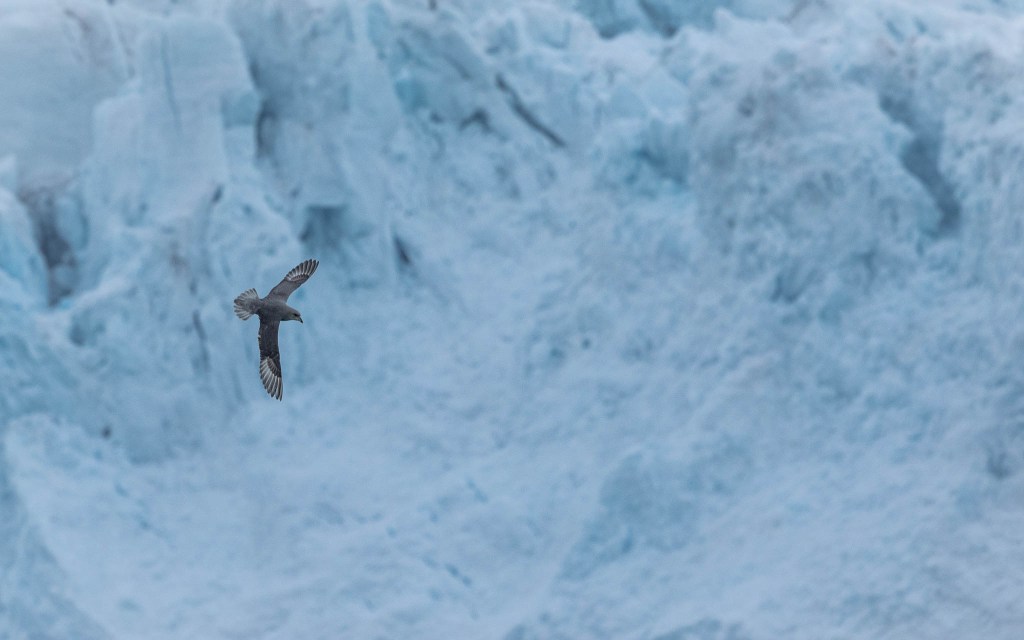
We immediately retreated to our cabins and put extra layers including woolen head gears. While on the deck we got intrigued by the birds flying along the sailing ship. Several members of Northern Fulmar Fulmarus glacialis were flying along our vessel. Northern Fulmar is a highly abundant seabird in North Atlantic and North Pacific Oceans. A study conducted by Inter-Research Science publisher found that Northern Fulmars follow fishing vessels to find food may be the reason that most of time of our sailing we were observing these birds following our ship. In addition to fulmars, Black-legged Kittiwakes and Arctic terns were also our companions. We remained over the deck for quite some time till our legs got fatigued due to continuous standing over the deck and then retreated back. We again gathered in dinning space and after enjoying a sumptuous welcome dinner it was time for the cozy bed, but we were forewarned that any interesting sighting could rob us of our snores; and you bet we were super excited for that interruption.
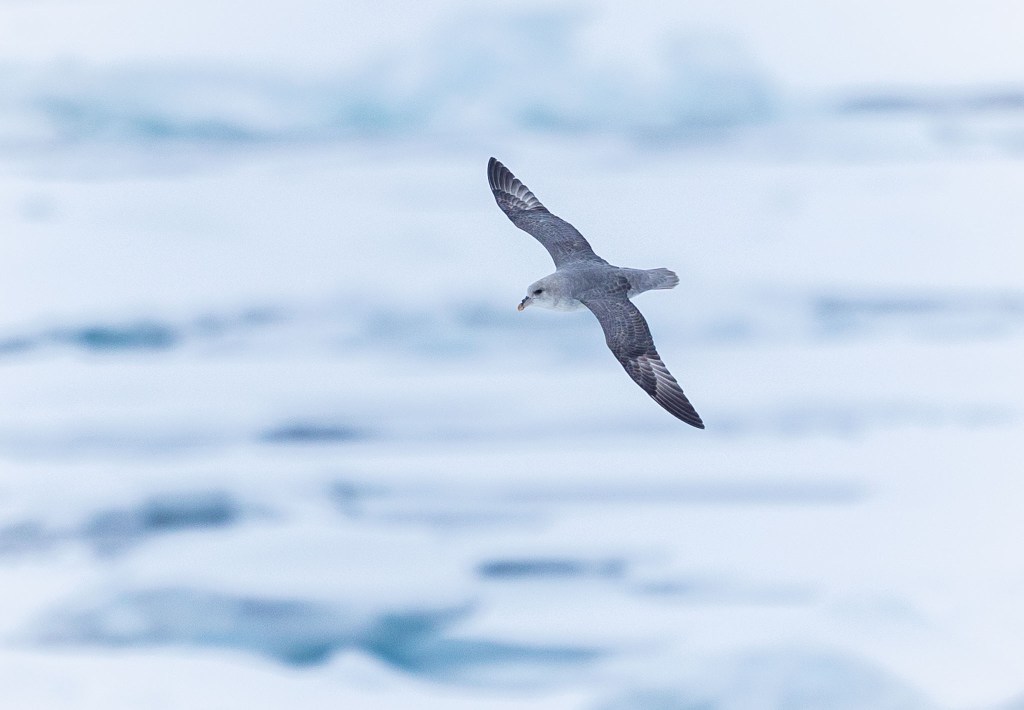
Northern Fulmar was observed as associate while sailing 
Northern Fulmar 
Black-legged Kittiwake 
A flock of Dovekie 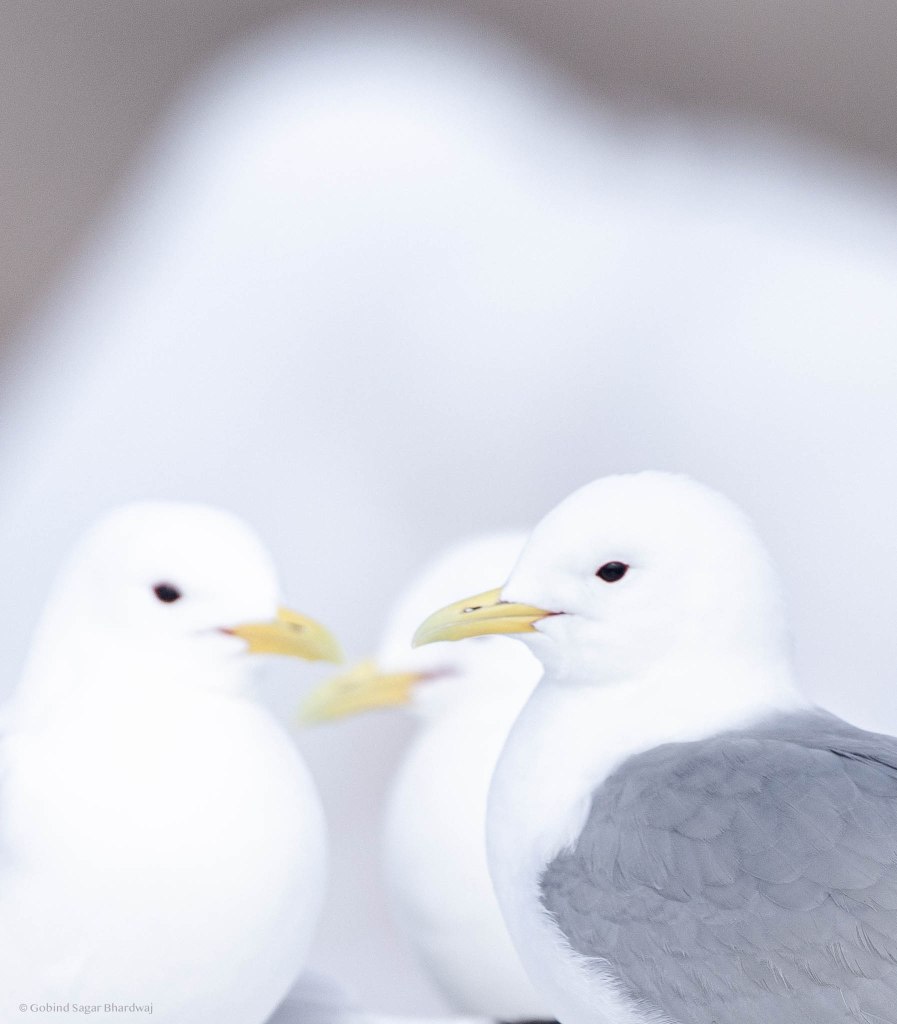
Black-legged Kittiwake
Day Three (9.6.2023)
Whaling in midnight and fox in a bird colony
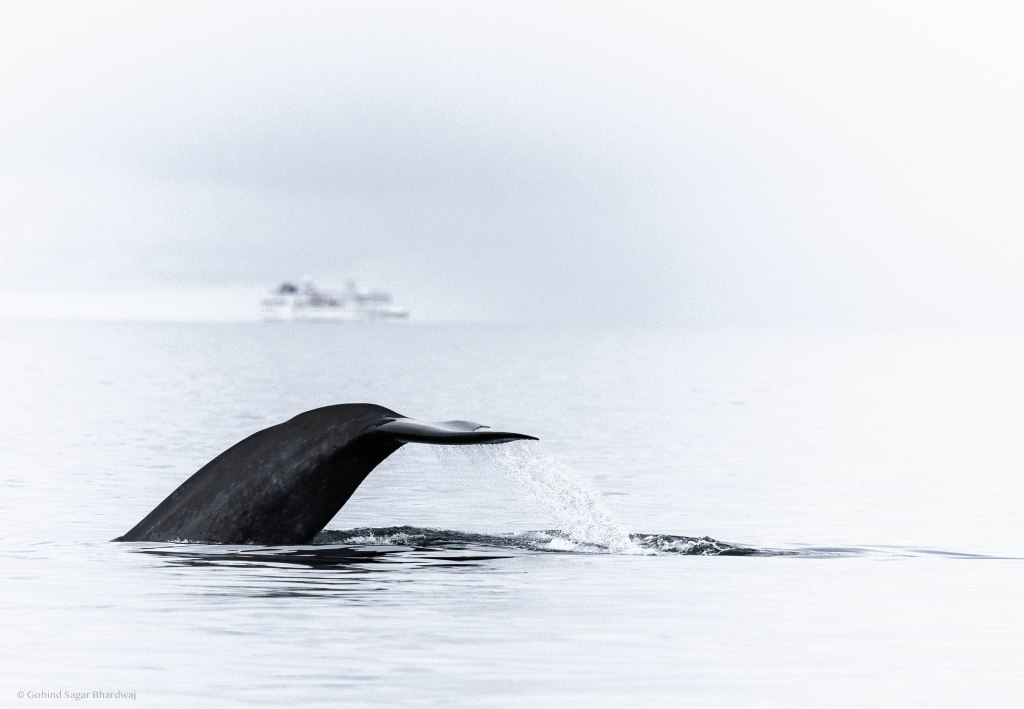
It was midnight when our cabin door was knocked, and someone shouted “there is whale in the sea”. We sprang out of the bed, Cameras were already ready, and we went outside the lower deck without failing to put additional layers and long boots to brave the arctic chill. We were out of the Isfjorden fjord and were sailing towards north in Forlandsundset. Isfjorden is the second longest fjord in the archipelago of Svalbard. Guide Moira pointed out to the direction where the whale was sighted, around 1 km away from ship. Our eyes immediately got pinned to the location and all of sudden it showed itself. It was a blue whale. Although the sighting was over in a blink, still some of us could manage to focus the huge tail which remained above the water little longer. Nevertheless the sighting alone was thrilling enough. Captain of the cruise, Tarjei tried his best to follow the whale which drifted away swiftly depriving us of a little prolonged interaction.
By morning we were heading towards Kongsvegen glacier in Kongphreennichola fjord (Kongsfjord) of main island Spitsbergen. The Kongsvegen glacier is 20 km long; although retreating currently, it is still one of the most extensively studied glaciers in Spitsbergen and has been continuously monitored for annual volume changes since 1987. The name Kongsvegen is located in the southern side of Kongsfjorden, whilst the name Kronebreen is used to describe the glacier which divides around Collethogda to form two separate tidewater calving fronts in Kongsfjorden. In earlier literature, the name Kongsbreen was used to describe the entire glacier complex at the time when the glaciers were confluent in Kongsfjorden, but this term has been abandoned since the recent glacier recession Kronebreen South now merges with Kongsvegen to form a combined calving front in Kongsfjorden.


Northern Fulmars, Arctic terns, Atlantic puffins, Guillemots were our continuous companions. pair of Red-necked Loon (Gavia stellata) was seen near the Kongsvegen glacier. It is smallest of all Loons and like the other members of its genus, the red-throated loon is well adapted to its aquatic environment its dense bones help it to submerge, its legs—in their set-back position—provide excellent propulsion, and its body is long and streamlined. Even its sharply pointed bill may help its underwater streamlining. Its feet are large, its front three toes are fully webbed, and its tarsus is flattened, which reduces drag and allows the leg to move easily through the water.

Red-throated Loon is a migratory bird of Northern Hemisphere. 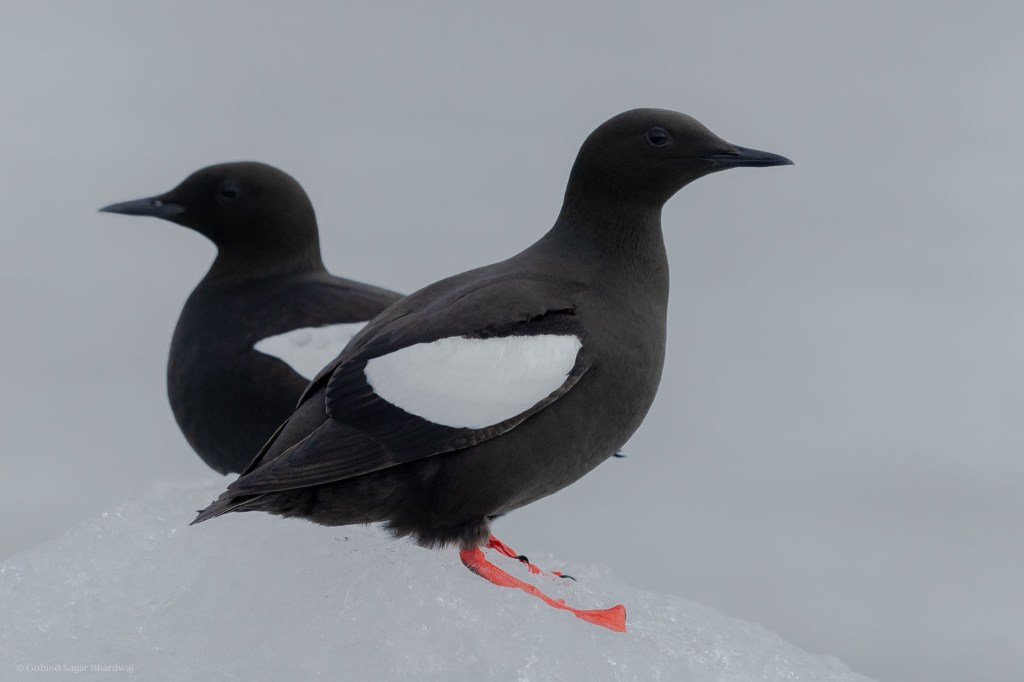
Red-legged Kittiwake 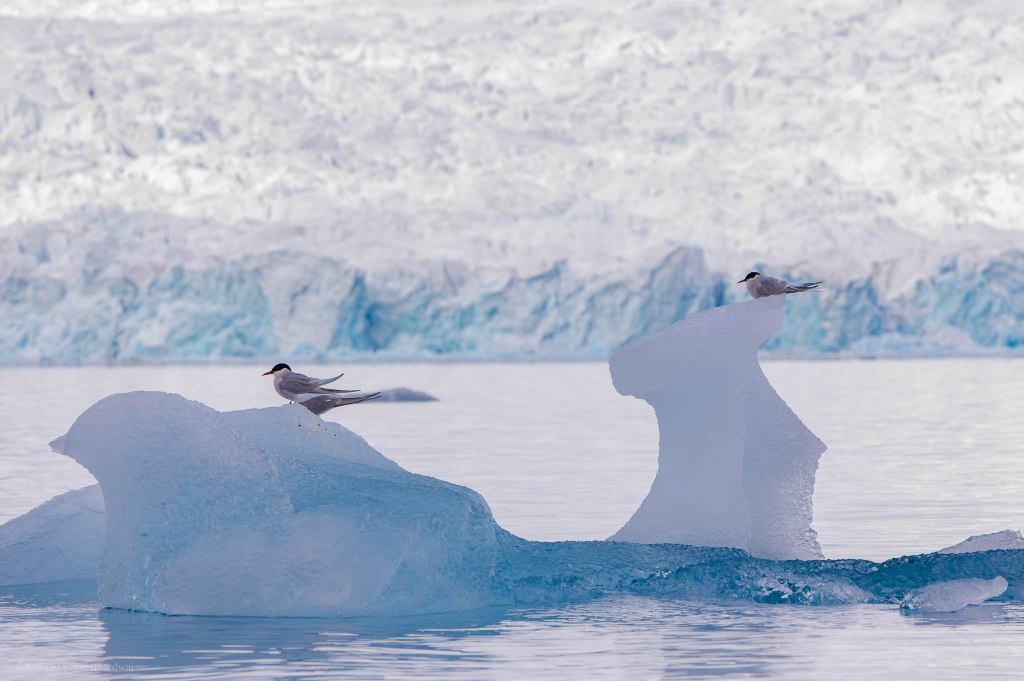
Arctic Tern 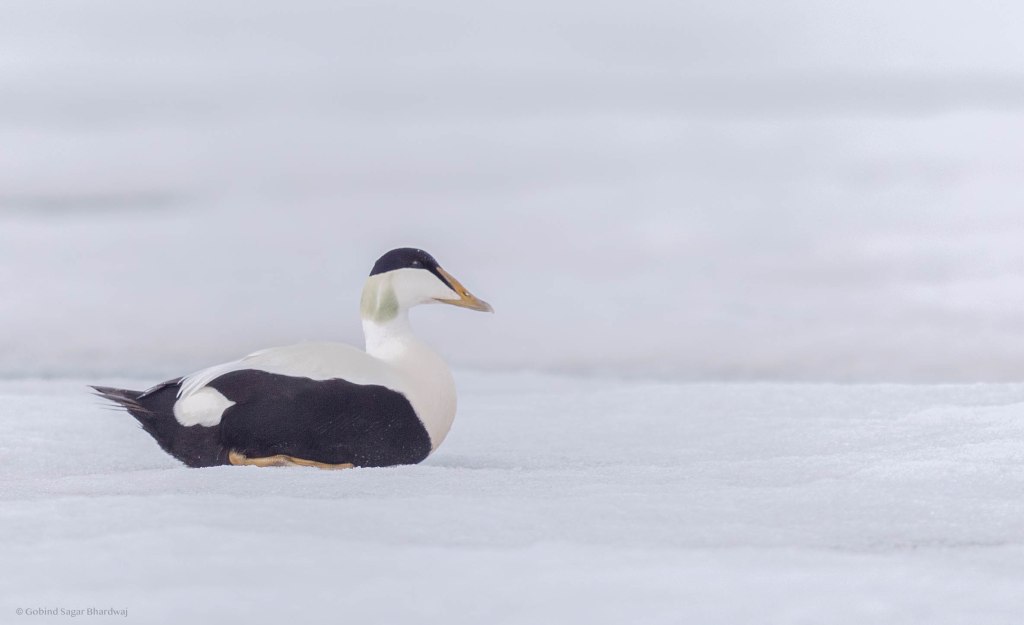
Common Eider 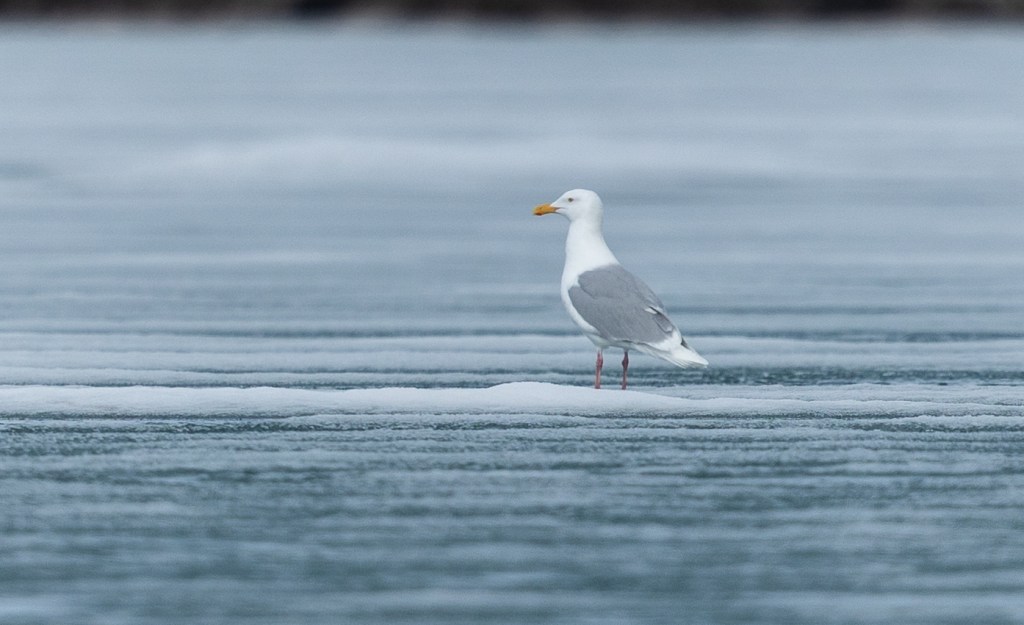
Glaucous Gull
A Bearded Seal Erignatus barbatus was sighted lying leisurely on an iceberg watching curiously our approaching zodiacs. The bearded seal gets its name from the long white whiskers on its face. This seal is largest of all Arctic seals as it grows upto eight feet weighing 550 to 800 pounds. These seals tend to weigh the most during winter and early spring when they have an extra layer of blubber under the skin. Sea ice is an important part of the bearded seal’s daily life. Ice floes are used for resting on between foraging for food and during pupping season. Individuals know to rest on single ice floes facing the water so they can escape quickly from predators. Although found in both pelagic and coastal environments, bearded seals are primarily benthic feeders and forage on marine invertebrates and fishes in benthic habitats. While the bulk of bearded seal diet consists of molluscs, crustaceans, and fish, juveniles eat primarily fish, whereas adults tend to be benthic foragers, primarily consuming molluscs.

Bearded Seal lying leisurely 
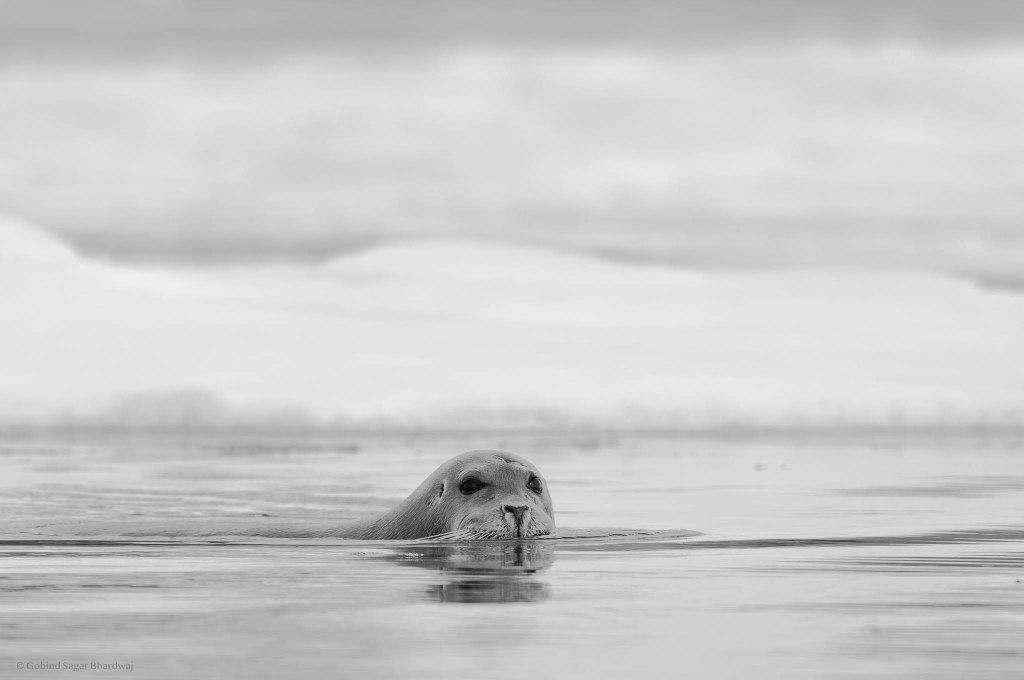
A swimming bearded seal 
Parasitic Jaegar and Black-legged Kittiwake 
Svalbard Reindeer
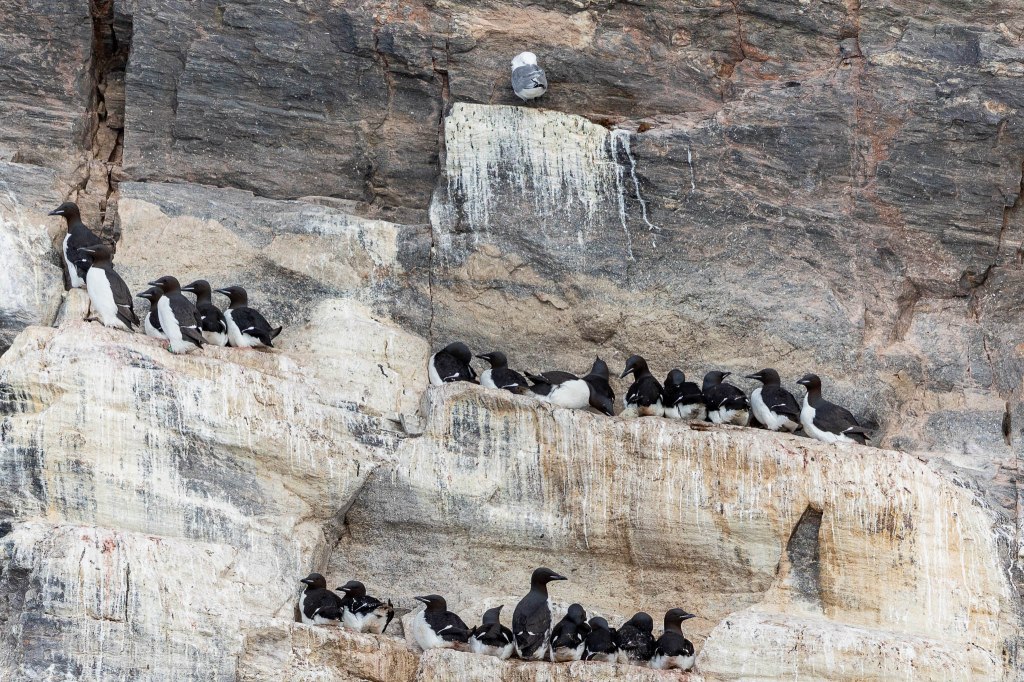
By evening we were in Ossian Sarsfillet bird colony. Ossian Sarsfillet is a 364 m high mountain facing Kongsfjorden between the mouth of Conwaybreen, Kronebreen and Kongsvegen. It is named after George Ossian Sars, a Norwegian zoologist. Packed in multiple layers and life jacket we hoped to our Zodiacs and went to the bird colony near cliff. Although sailing in zodiacs in rough sea carrying cameras with 500 mm telephoto f4 lenses is a difficult task especially when you are aiming to shoot, however these zodiac take deeper in the fjords of Arctic area where vessels can’t sail.
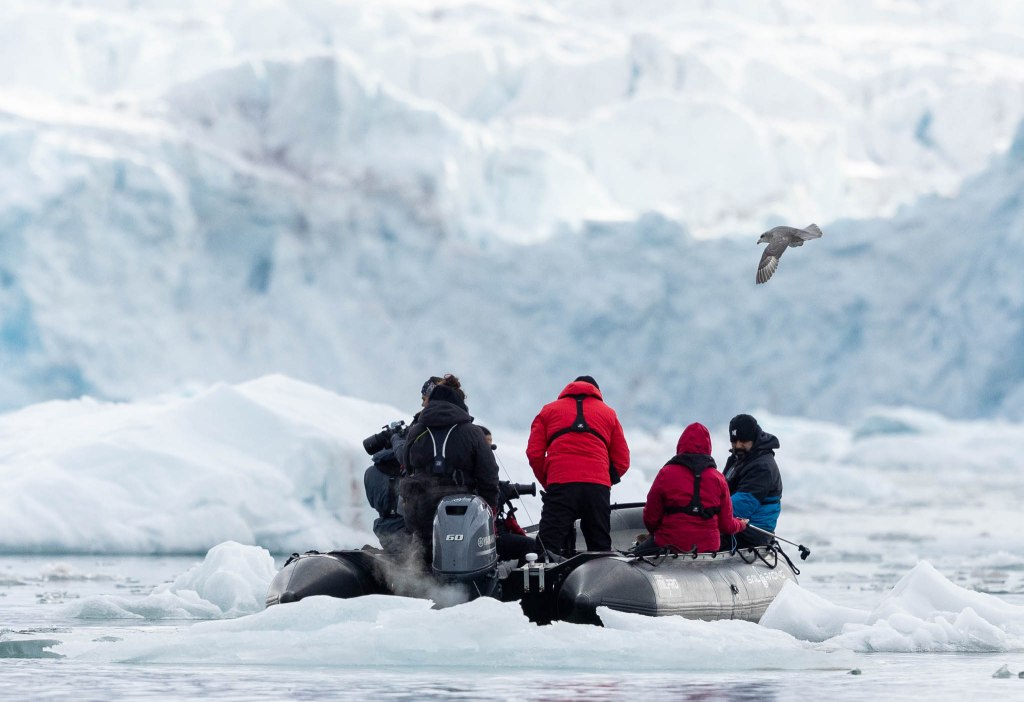
While Yashpal Rathod guiding a trip in a fjord, a Northern Fulmar following their Zodiac 
Arctic Tern 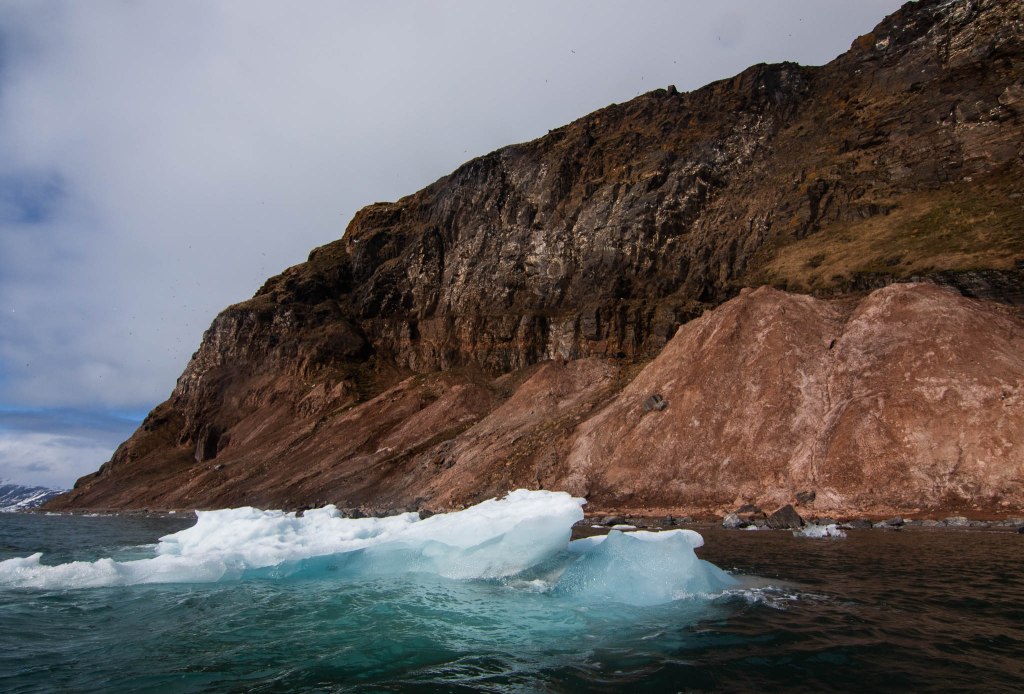
Ossian Sarsfillet Bird Colony 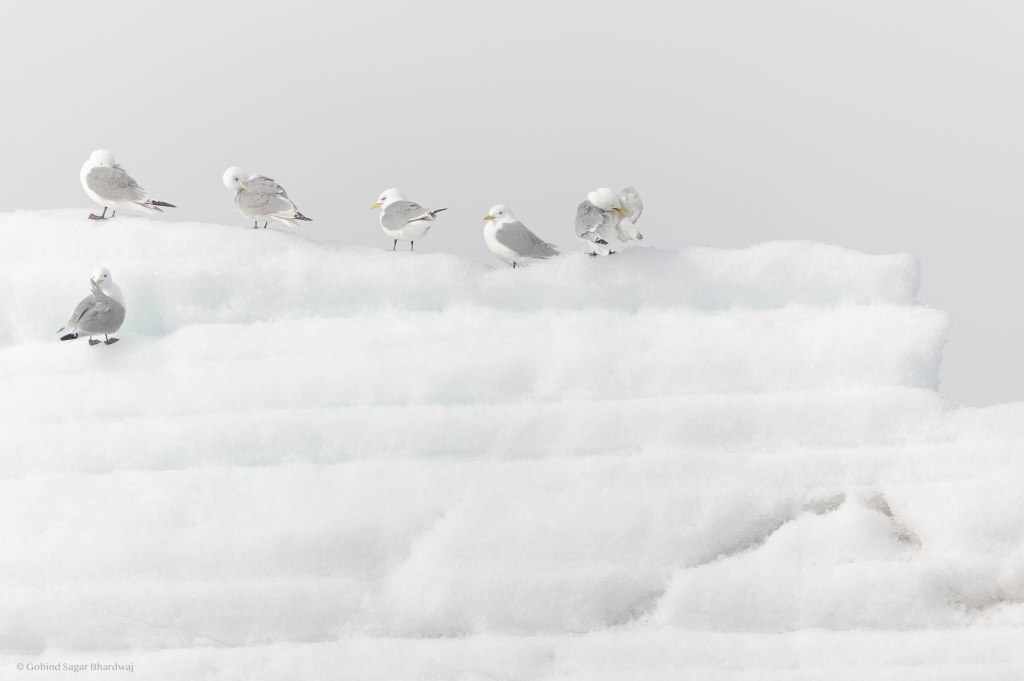
Black-legged Kittiwake 
Northern Fulmar
A pair of Barnacle goose that was roosting over a cliff got startled and took a flight. Thousands of Brunnicks guillemots, Black-legged Kittiwakes and gulls were seen breeding on different points of the vertical cliff. An Arctic fox hooked our attention as it wandered around the slope just below the cliff, perhaps in search of some dropped eggs, shells or hatchlings. The bird droppings from the nesting on the cliff had accumulated below as biomass serving as a dirt bed for flourishing vegetation like mosses lichens and herbaceous plants. A pair of reindeers was observed feeding on the sprawling vegetation.
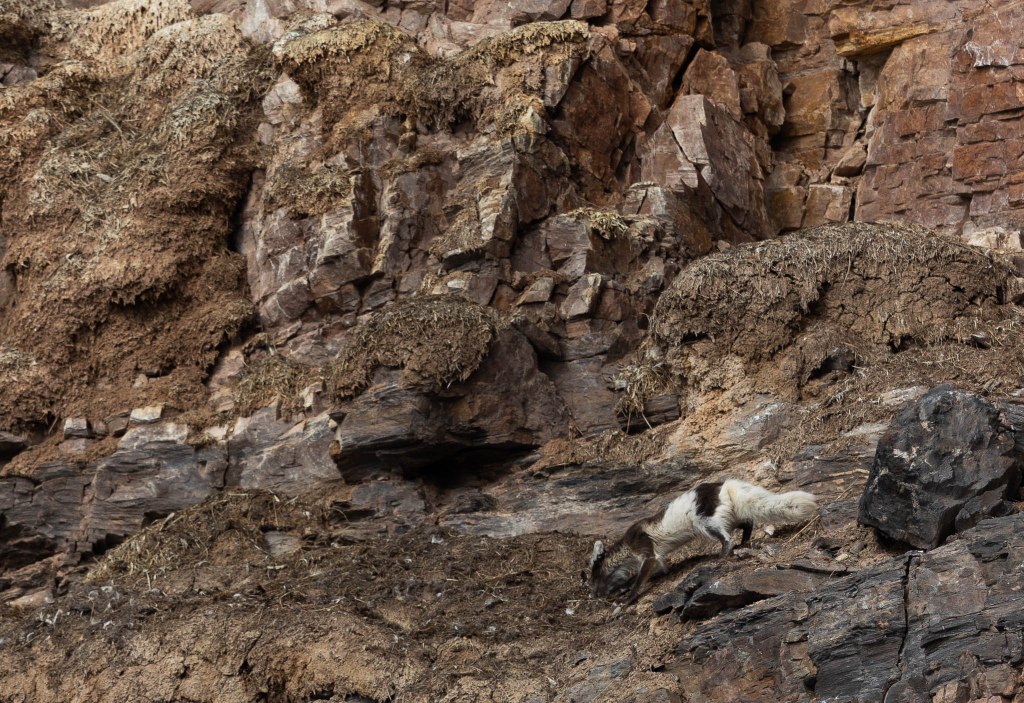
Arctic fox just at the base of cliff having thousands of nests 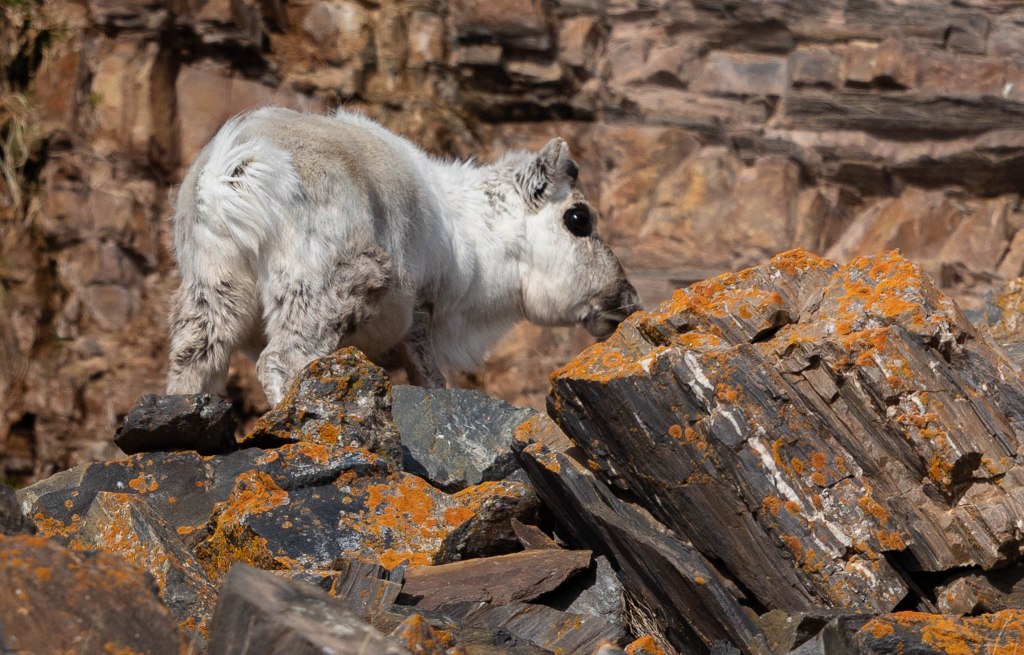
Svalbard Reindeer 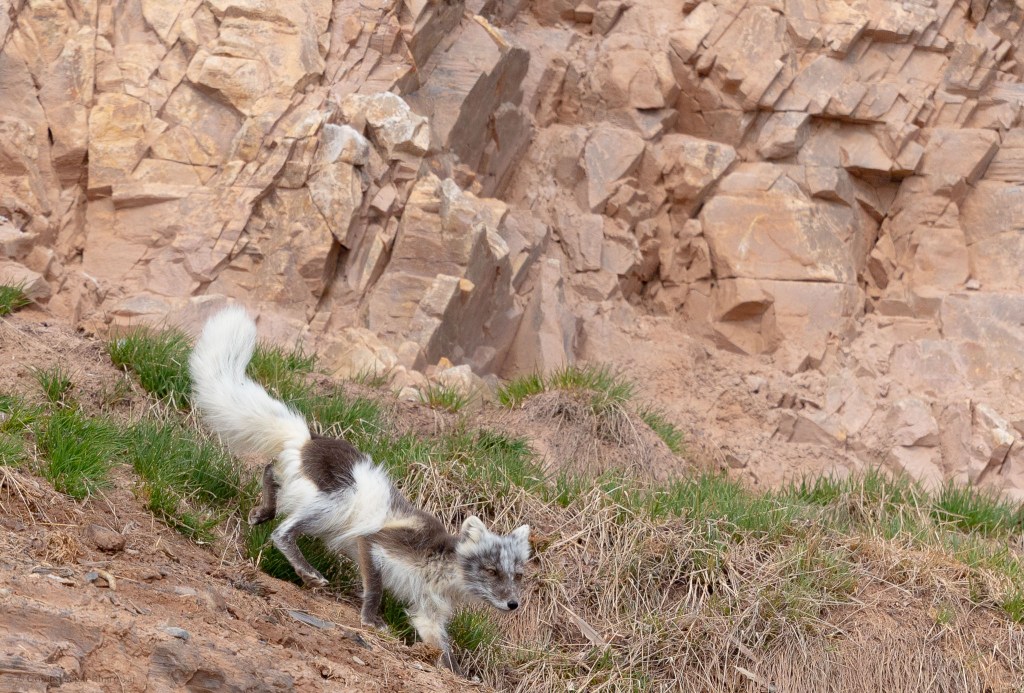
Arctic Fox 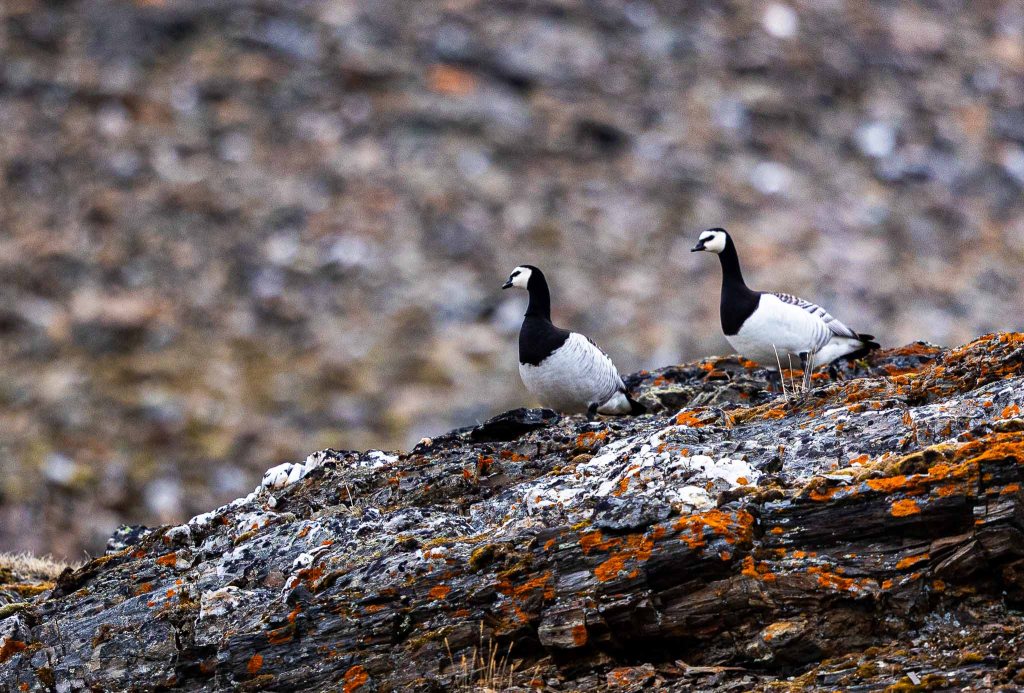
Barnacle Geese 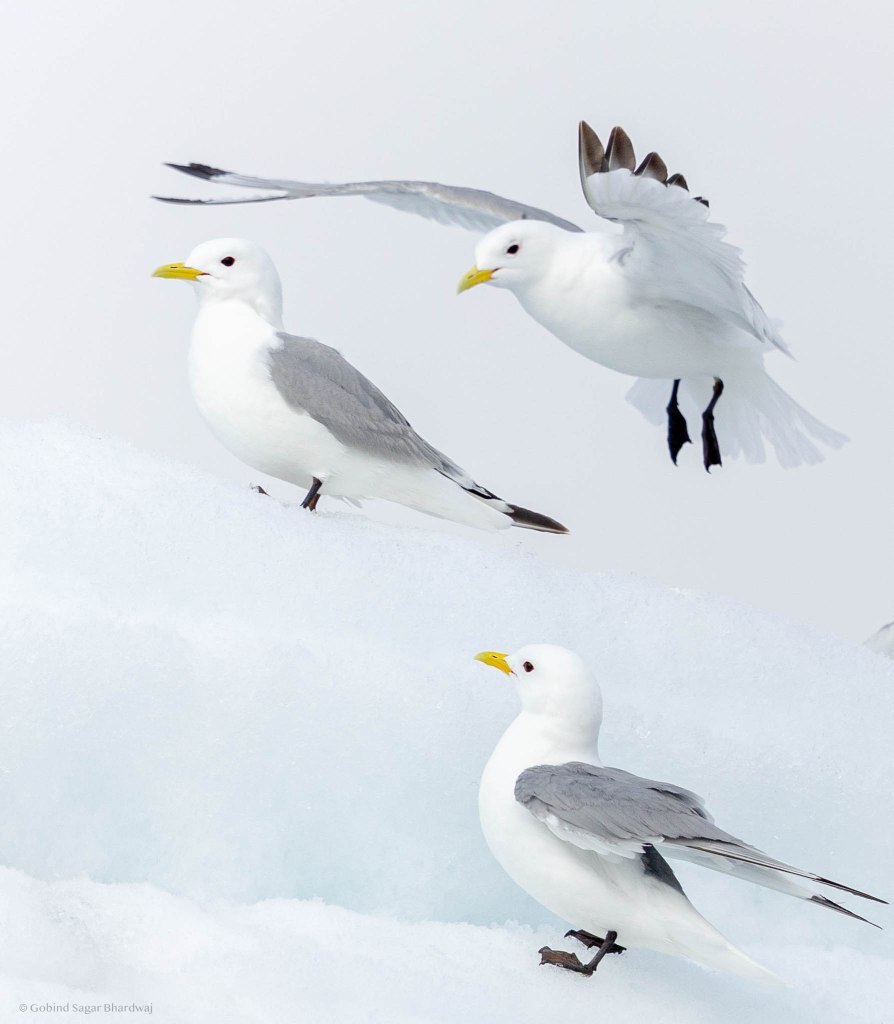
Black-legged Kittiwake
Day Four (10.6.2023)
The day when we touched 80°N and Sea ice beyond
As the sea was a bit rough while sailing towards north, our sleep was disturbed due to continuous rolling and pitching of the ship. We were enjoying the freshness of the morning on captain’s deck with a hot cup of coffee; our location according to the map was just adjacent to Fugle Songen, a small Island just at the northernmost point of Svalbard archipelago. Our ship was making its way through the gaps between the islands of sea ice fragments. Few birds like Gulls, kittiwakes, North Fulmar and Arctic terns were continuously seen. While we were trying to capture these beauties, our both guides zeroed on one Harp seal with their binoculars. With due care Captain approached the Harp Seal without disturbing her. Lying on a fragment of sea ice, it looked quite similar to a snow leopard cub; owing to its color and facial markings. Its dark deep puppy eyes were keeping a vigil on us. This ice lover is from Greenland, hence the scientific name Pagophilus groenlandicus. It is a monotypic species and is restricted only in Arctic Sea and northern most areas of Atlantic Ocean. The eyes of this seal are large enough for its body size having a large spherical lens; helpful for better focusing ability and a mobile pupil that helps the animal to adapt to the intense glare of Arctic ice.
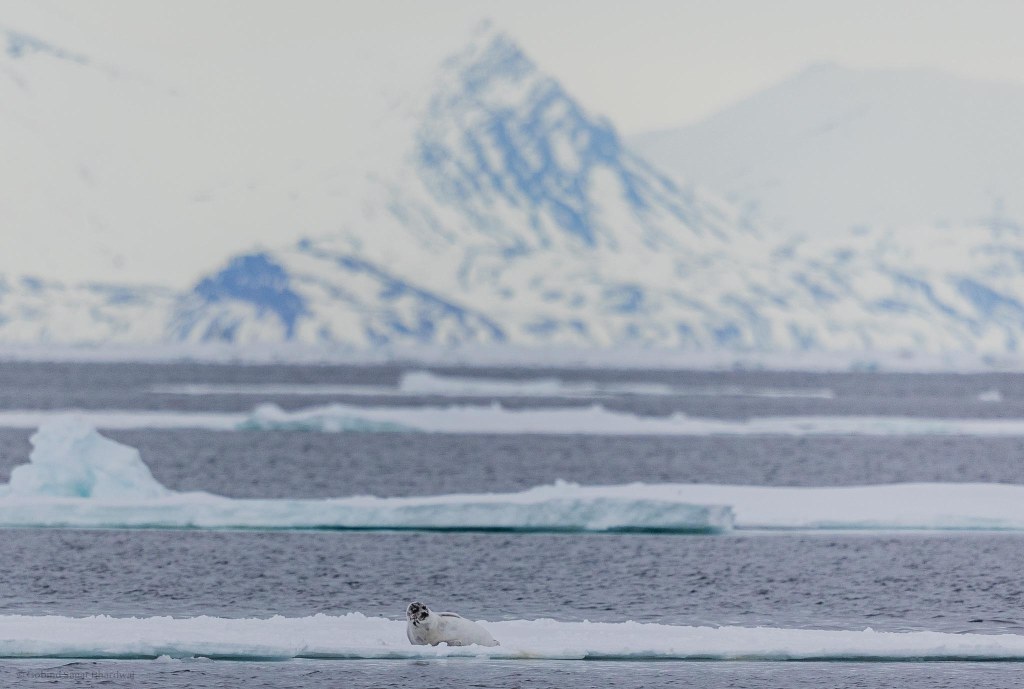
Harp Seal 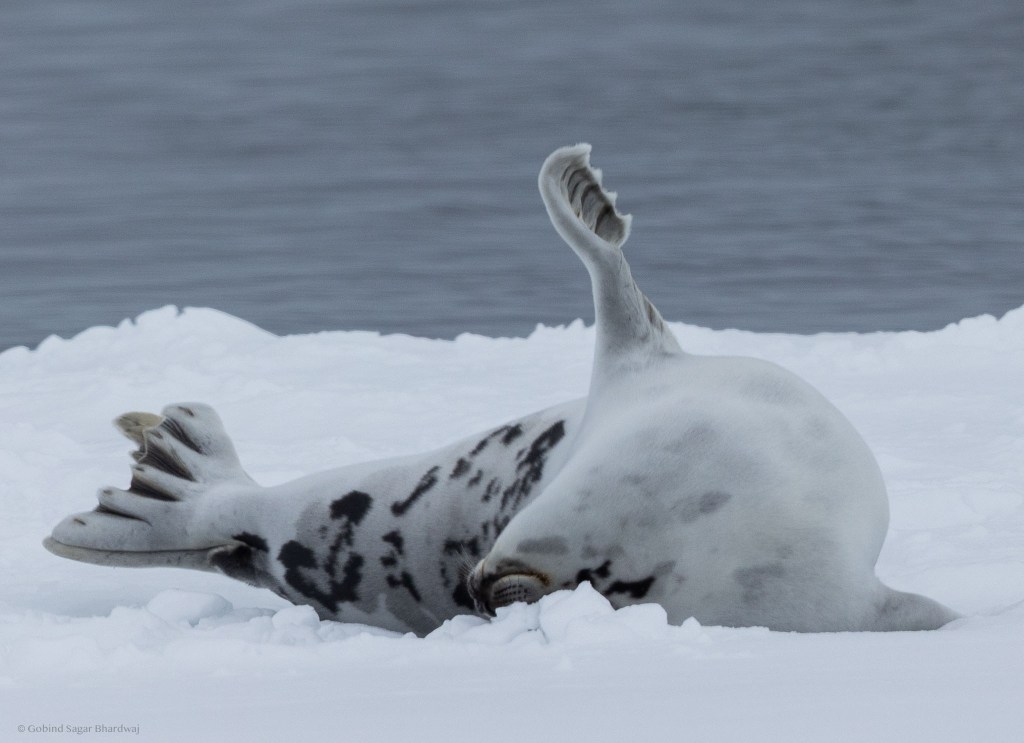
Harp Seal while Rollin 
While our vessel was approaching this seal it started looking curiously 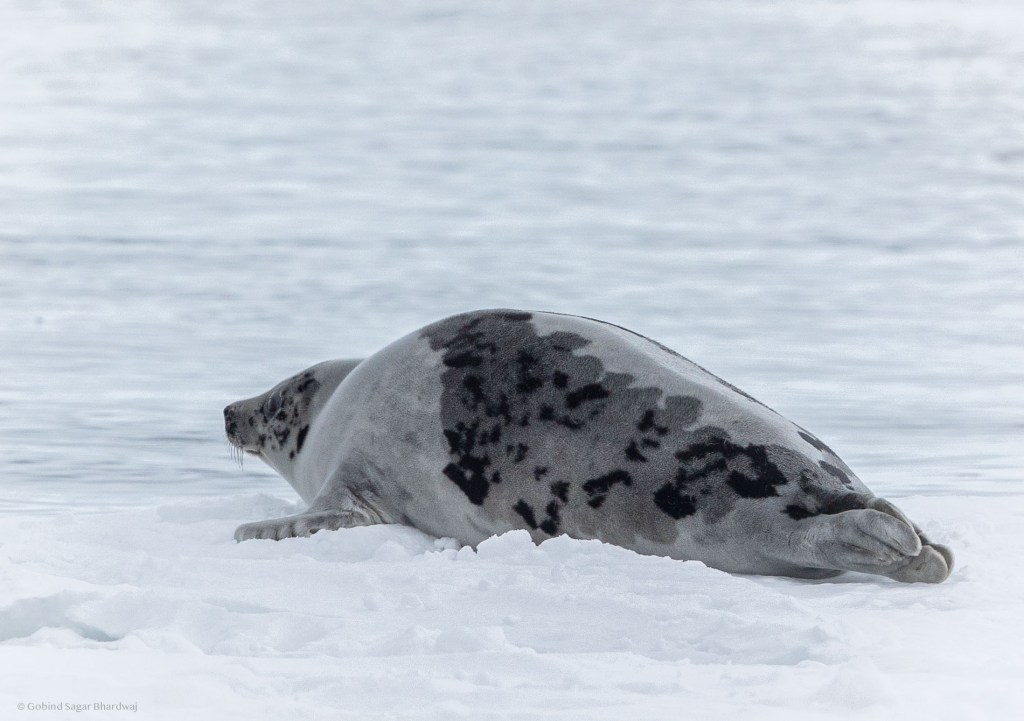
Startled of our vessel, harp seal went to sea 
Its dark deep puppy eyes were keeping a vigil on us
After the hangover of beholding this beauty another thrill was in queue for us, as at 1320 hrs we touched 80°North latitude; which definitely called for a celebration with a toast of Champagne. 80°North latitude or simply 80th parallel was first crossed by William Barrents, a Dutch explorer in 1596, after whom the a sea Barren Sea is named.

From 80°north we sailed straightway south till we reached Raudfjorden by evening. Raudfjorden is a 20 km long and 5 km wide fjord. A peninsula called Buchananhalvoya divides this fjord into two branches in south namely, Kiinckowstromfjorden on east side and Ayerfjorden on west side. Radio message was conveyed to our ship about a Polar bear sighting in the area by other two ships which were already anchored there. Our vessel Villa was slowly making its way through the cracked ice sheet floating on the sea.

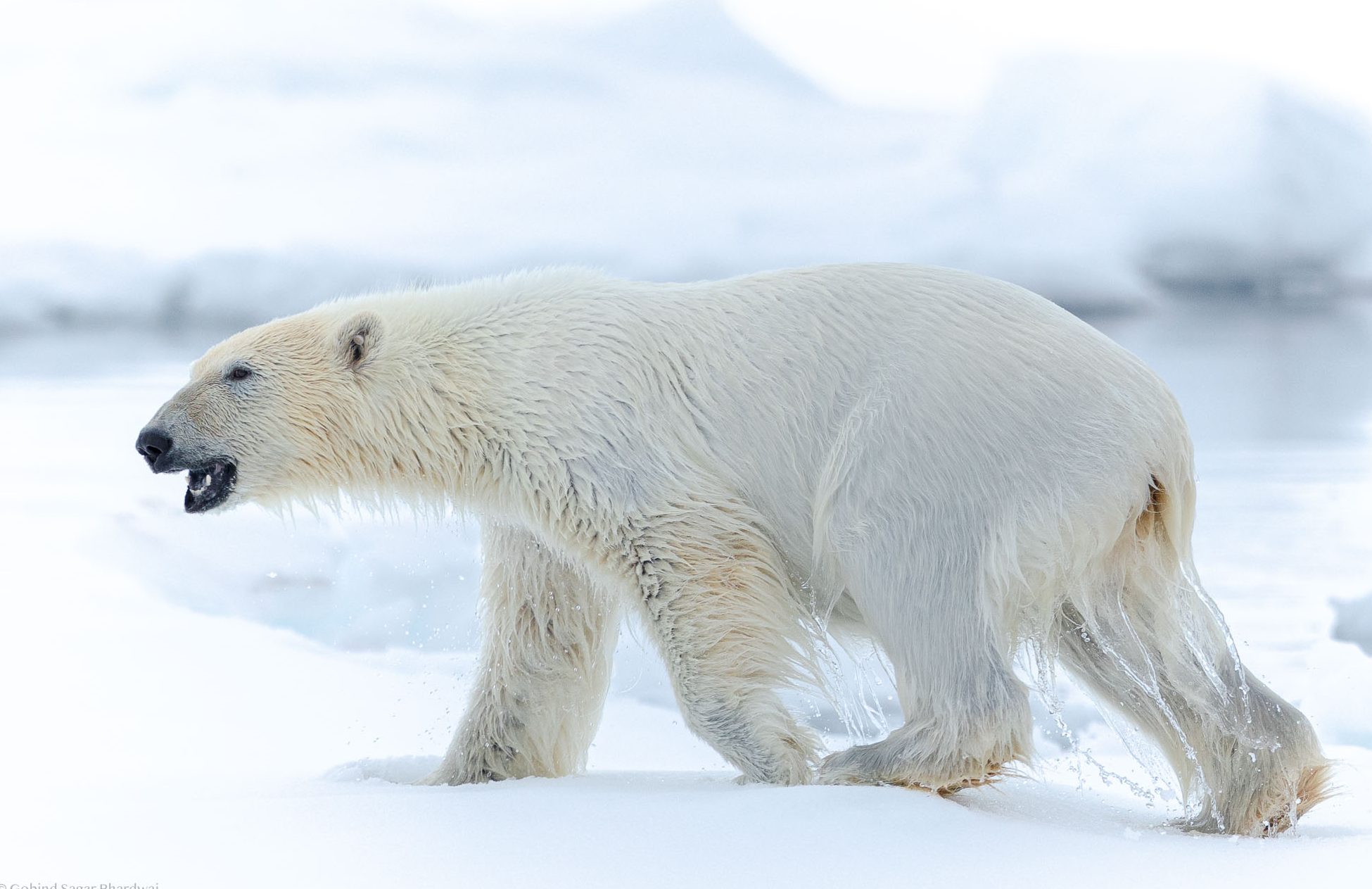
Our excitement further raised adrenalin when we encountered fresh pugmark trail of the Polar bear ending at the edge of a small ice floe. The ship crew anchored our ship, and we started waiting for the bears, the flagship species of Arctic. Removing binoculars from her eyes, Moira pointed towards two small spots in far horizon at the base of mountains in white snow and exclaimed “there they are”. We tried our best to locate with our naked eyes, however we couldn’t. Finally, with the help of Canon R6 with 1.6 crop sensor having 500mm f4 lens plus 1.4X converter I was able to see two polar bears moving together in far horizon. It was a mating pair. We were also told about the possibility of sighting of sub adult cub of this mating female wandering around.
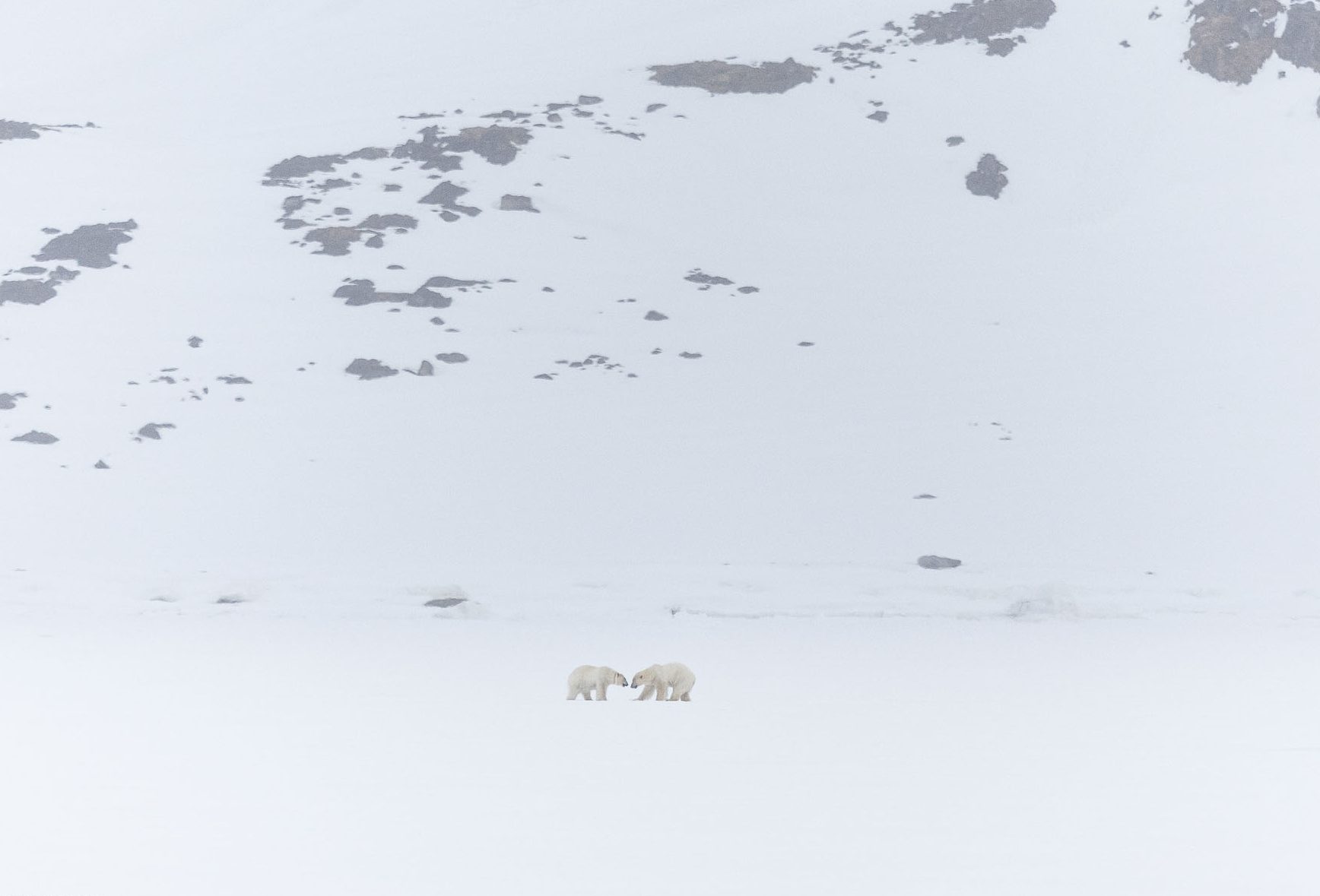
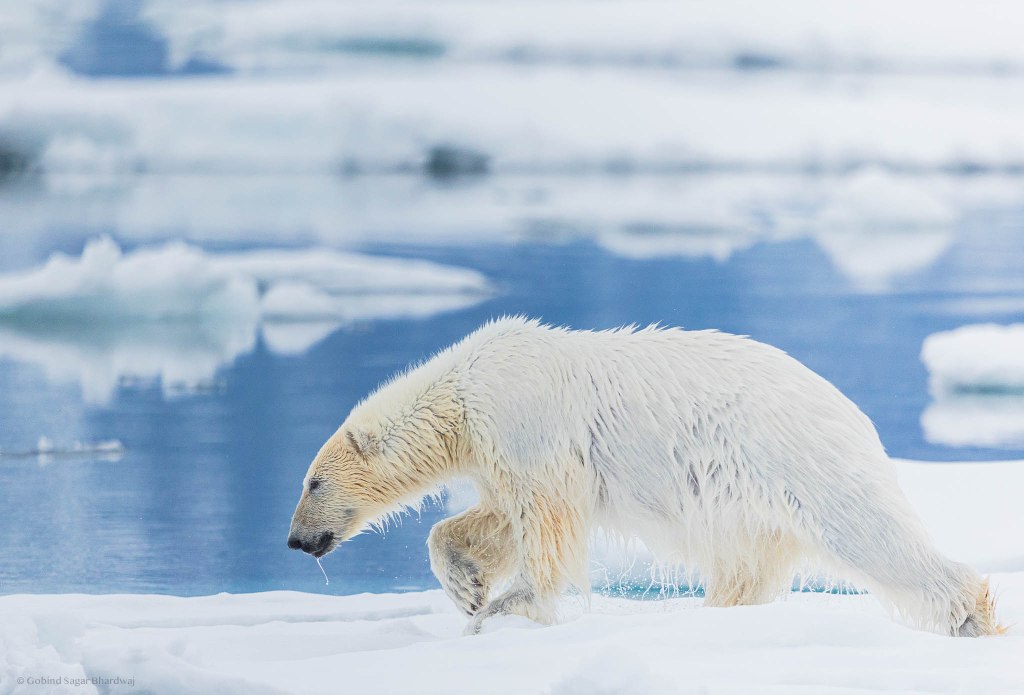
Finally, we sighted the bear cub that was inquisitively roaming around, perhaps in search of food. The cub was moving from one ice piece of ice sheet to another, sometimes going near the anchored tourist ships watching the visitors standing at the deck besides the railings as asking them for something and then retreating. It is an exploratory behaviour that we have already observed among sub adult cubs of tigers in Indian reserves.

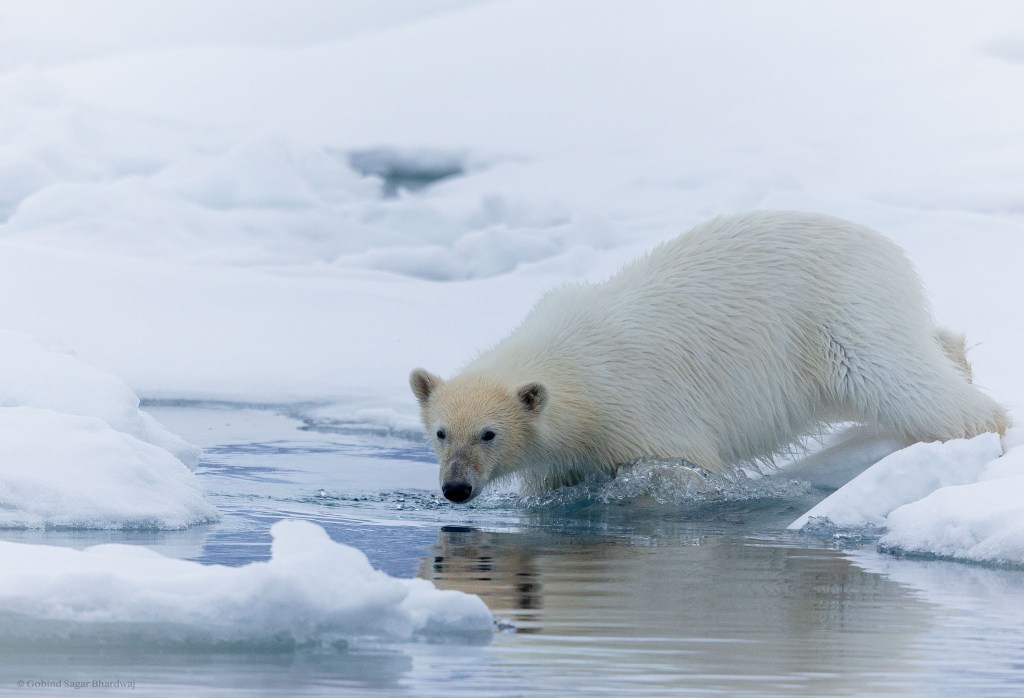
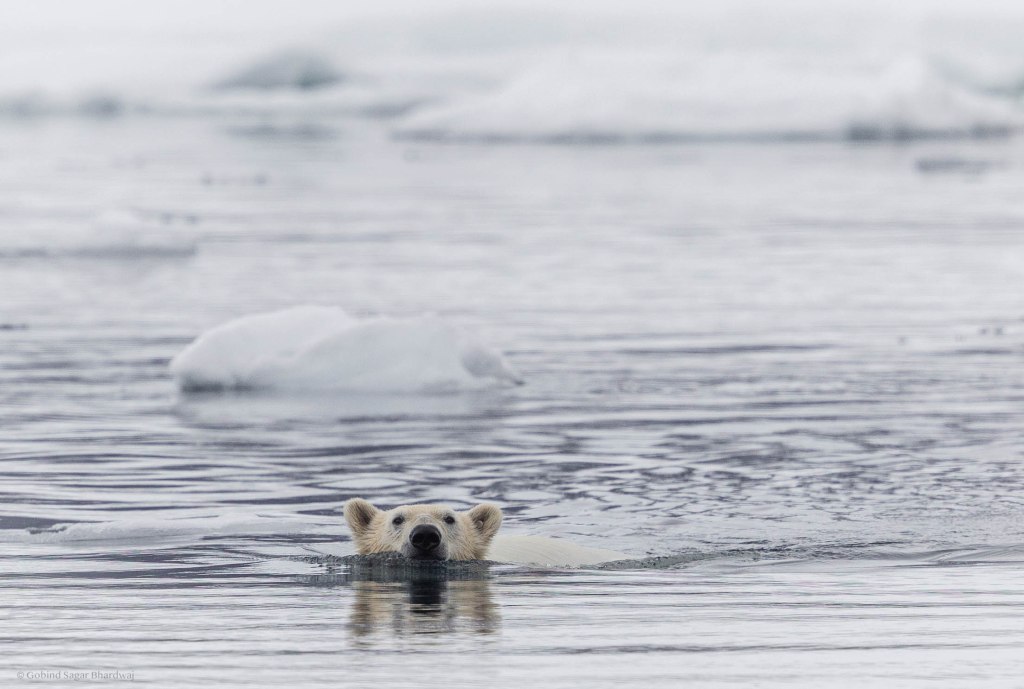
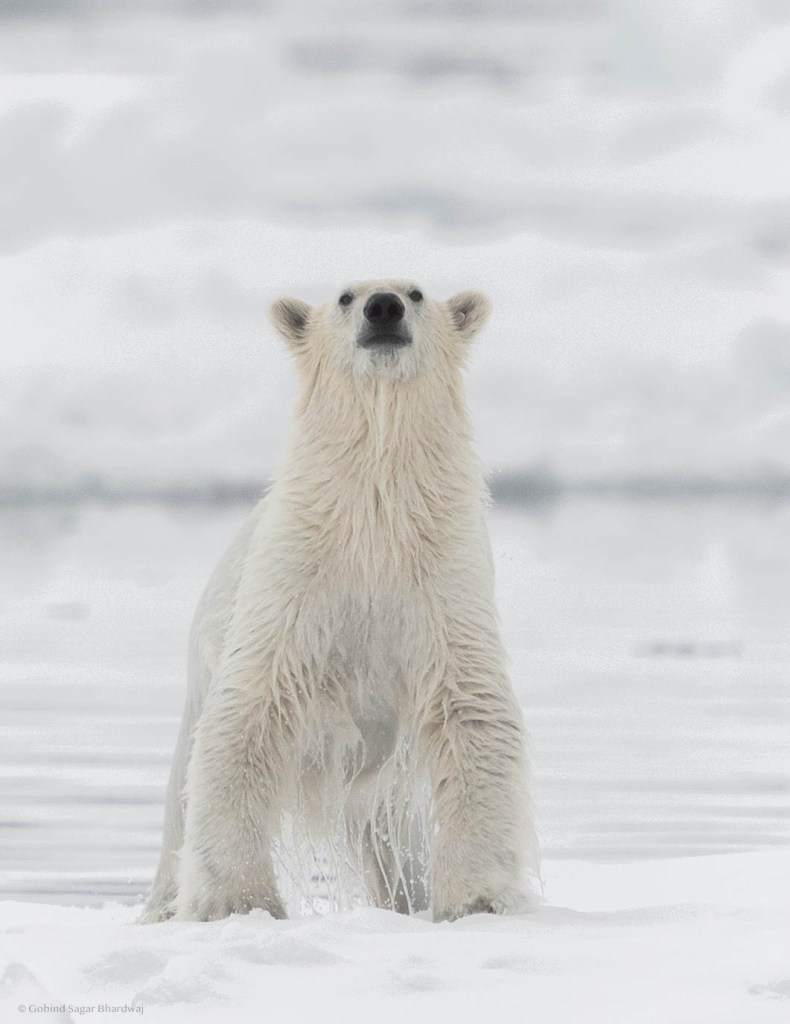
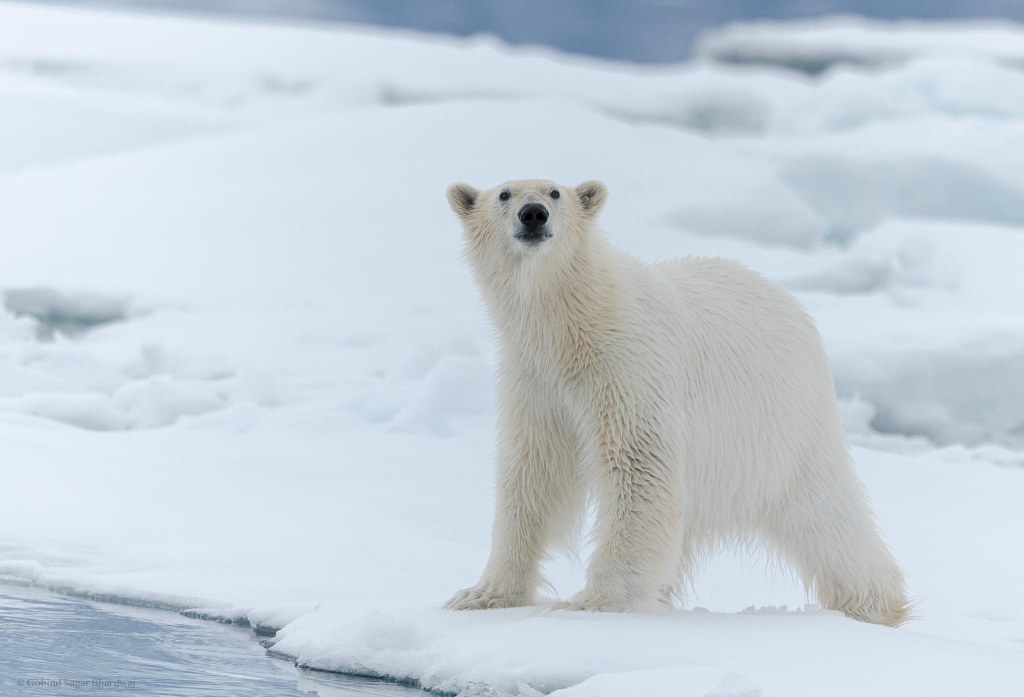
A Minke Whale was also showing intermittently in the sea, emerging from gaps between the fragments of sea ice. We were eagerly waiting for the mating pair to come closer. Guides were continuously monitoring the animals with the help of binoculars. Till 2200 hrs they didn’t show and in despondency we retired to our cabins, but the lady luck did have plans for us.

Inquisitive Polar Bear Cub 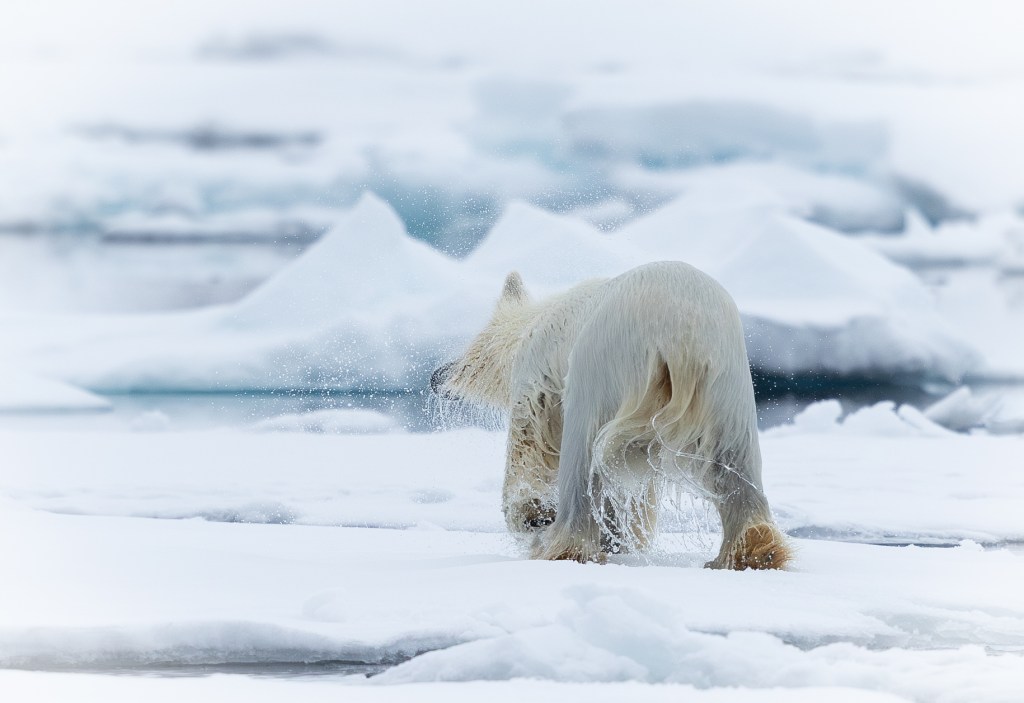
Shaking itself once came out o water 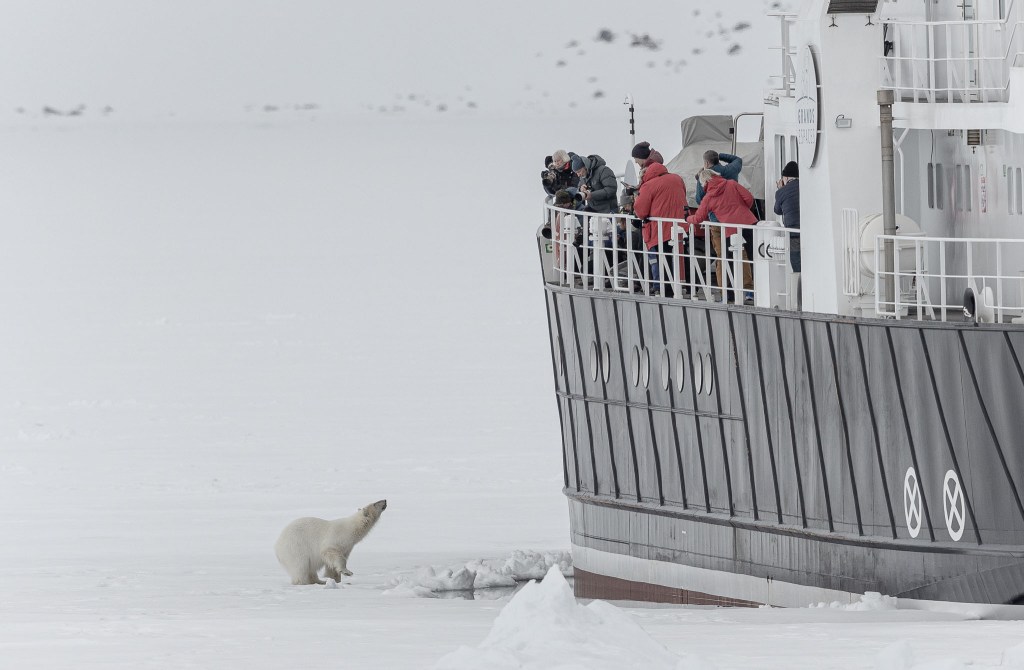
That’s interaction between inquisitive Polar Bear Cub and tourists 
It is the Quest to explore more is responsible for Human-wildlife interaction leading to loss of wilderness and some times to conflict

The much awaited message of sighting of two bears curtailed our repose and we were as fresh as a flower, busy layering ourselves for the venture on the zodiacs. For next one and half hour we had excellent bear sighting and left that area only after other zodiacs from different ships started reaching the hot spot.
Day 5 (11.6.2023)
Exploring Raudfjorden for Polar Bears
In the midnight we again got a message about sighting of polar bears. Without wasting time we hopped in our zodiacs and in half an hour we were at the spot. A mother and her cub were there. While the mother was lying on the snow, the cub was seen playing with a small drift wood that might have drifted, perhaps from some mainland. A small scuffle followed when cub approached resting mother.
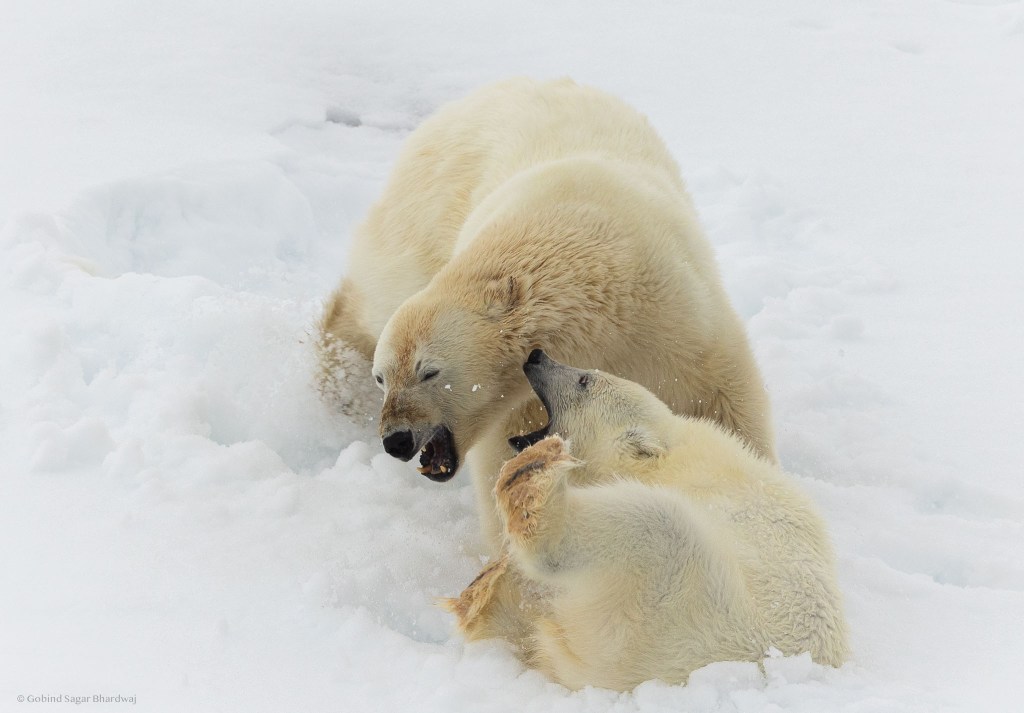
Later both started prowling on the snow. Few more zodiacs from other ship approached the site. As sensitive wildlife observers or maybe we were fully satiated of this bear, we left the place so that other visitors enjoy the bear sighting. When we reached our ship, we went to our cabins for sleep.
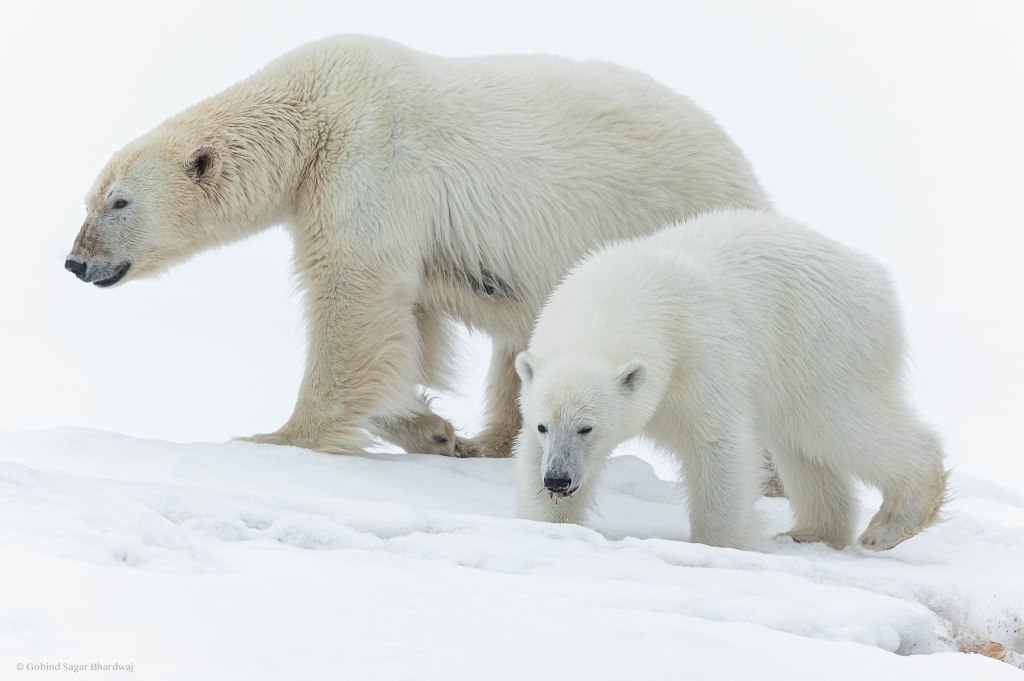


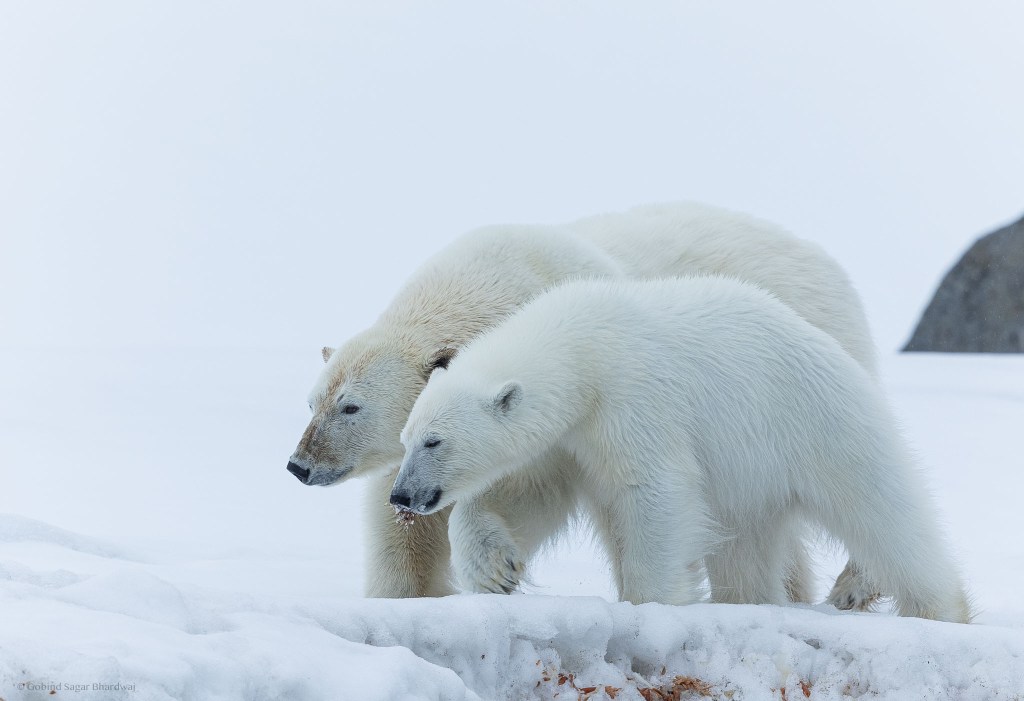
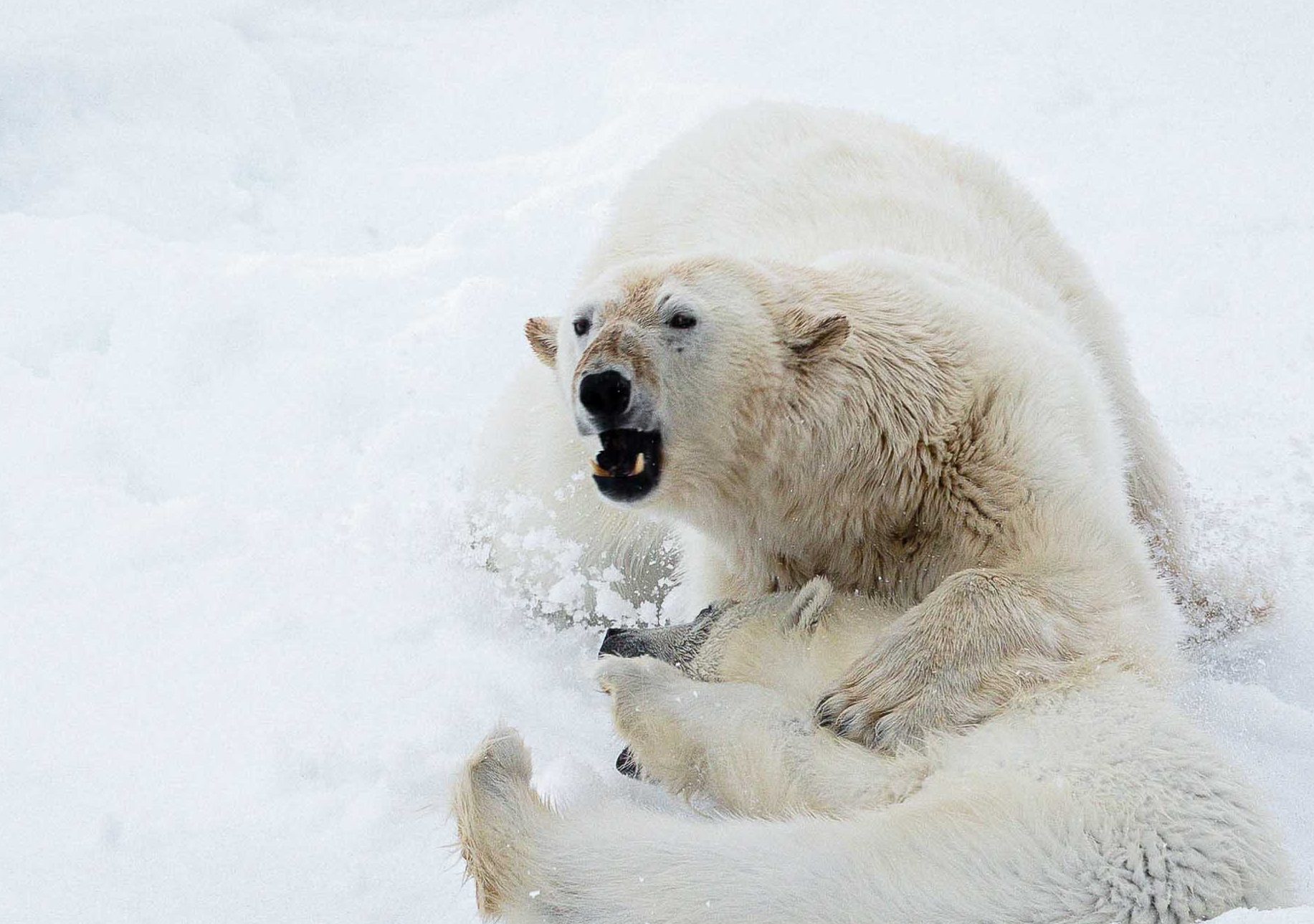
Next morning, from our anchored ship, we again observed the polar bears from far end, but could not get as close as sighting that was witnessed last night. However, two bearded seals, a Minke whale, birds like Little Auks, Long-tailed Skuas and Black-legged Kittiwakes continuously kept us engaged during the period.
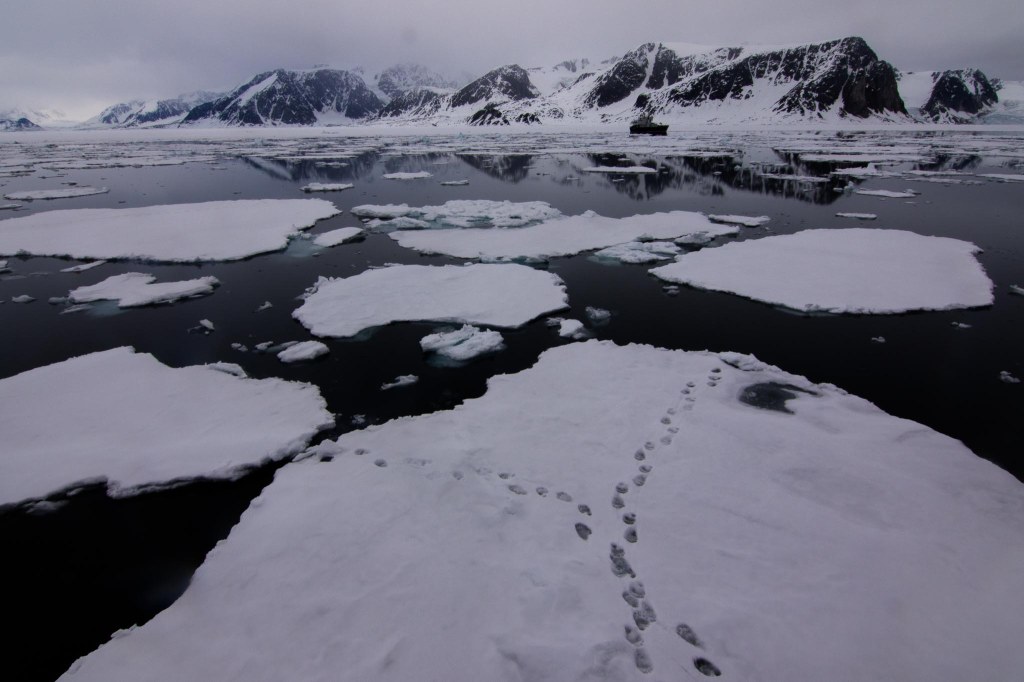
The much talked image of a polar bear stranded on melting sea ice is like a whistle blowing about the rapid climate change.
Day 6 (12.6.2023)
The day when we chased pods of Beluga Whales
Although in remaining part of our journey luck didn’t favor us for more bear sightings but arctic is never out of surprises, the news of Beluga whale sighting nearby charged us with a rush of adrenalin. Fully geared up we again boarded zodiacs, and, in few minutes, we were on the spot. An Arctic cetacean, Beluga whale (Delphinapterus leucas), one of the smallest of all whales, is also known as white whale and is without dorsal fin, an adaptation that helps this Arctic mammal to swim under the ice too. Their bulbous shaped forehead which is known as melon is capable of changing shape resulting in different facial expressions. These can produce series of chirps, clicks, whistles and squeals, and are often referred as “the canary of sea”. Belugas being gregarious, we were able to sight hundreds of them in a pod. Being social animal, they were seen chasing each other as if playing together. Milling, an activity of diving and surfacing together in a synchronized way, was like a wild ballet of these whales; absolutely amusing to watch. After their spectacular performance, some curious individuals of the pod even swam towards our zodiacs to have a closer look of their audience. Millions of years of evolution have prepared Arctic species like Polar bear, walrus, seals and beluga whales to live with sea and sea ice. The change of ice owing to climate change both in terms of extent and thickness is too rapid for the species to adapt this change. A beluga’s entire life is dependent on sea ice, both for feeding as well as for taking refuge as anti-predatory strategy.

Day 7 (13.6.2023)
A little walk with little Auk
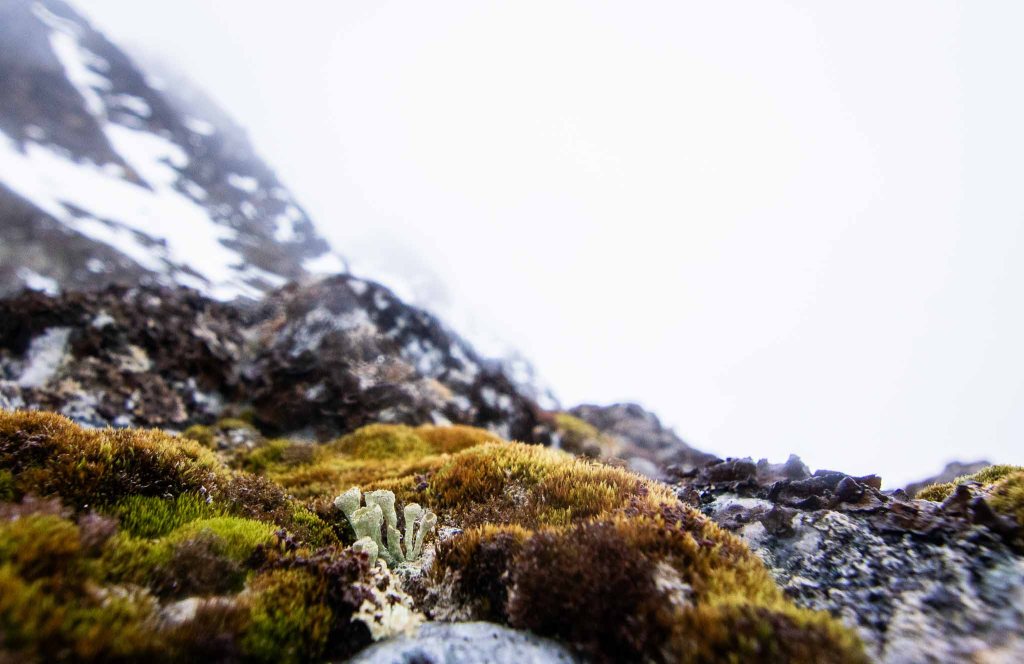
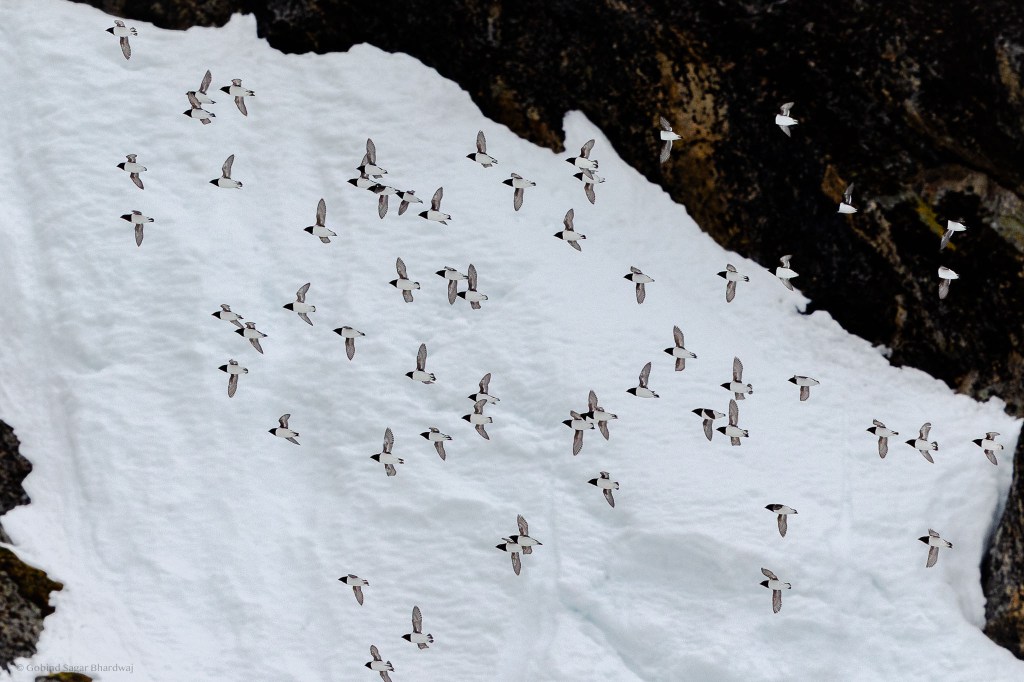
The day began with quick breakfast and then we were on zodiacs, heading to a Little Auk colony in Feuglesongen Island. After a quick hop across the Fair Haven our zodiacs touched Feuglesongen, a huge lump of granite rising out of the sea. It is the last rock before the Arctic Ocean and ultimately the North Pole. It was really a tricky job of landing from zodiacs on a beach covered with large and rounded boulders that have become slippery due to drizzling. Long muck boots saved our trousers from becoming wet as we waded in ankle deep water across the shore to avoid direct jumping on the slippery boulders. The shore was having a layer of snow no less than one to three feet thick with some patches covered with cushion of lichens and mosses. Almost all the rocks were covered with different kinds of lichens including crustose, foliose and fruticose. Thousands of the Little auk were flying and also exhibiting murmuring.

Lichens growing on rock outcrops 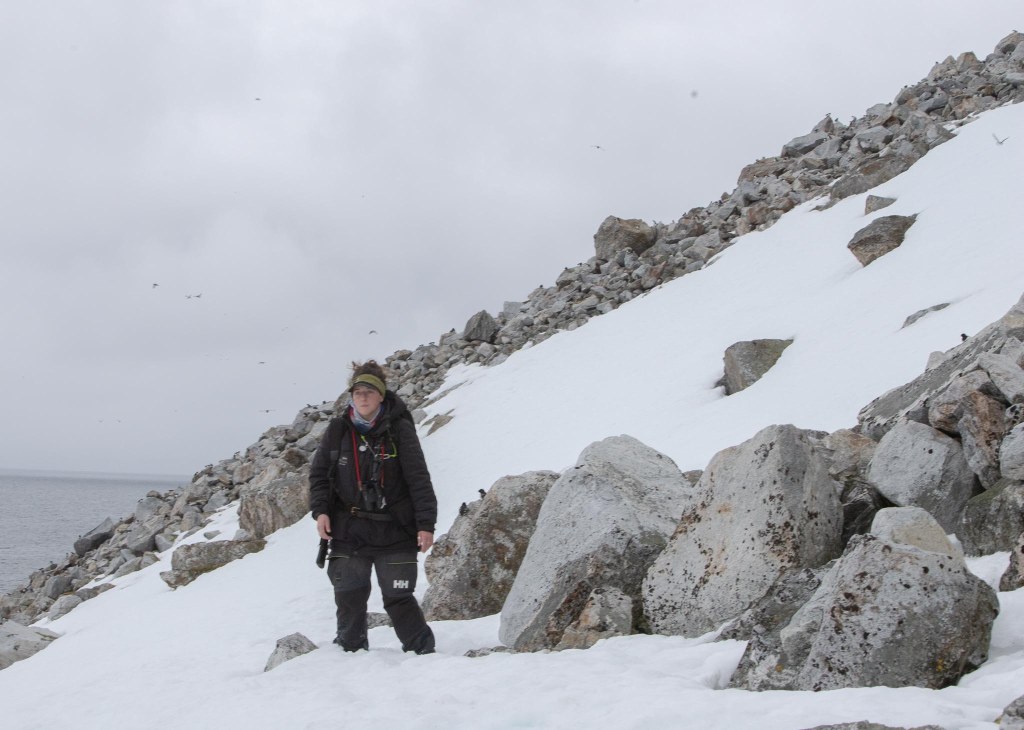
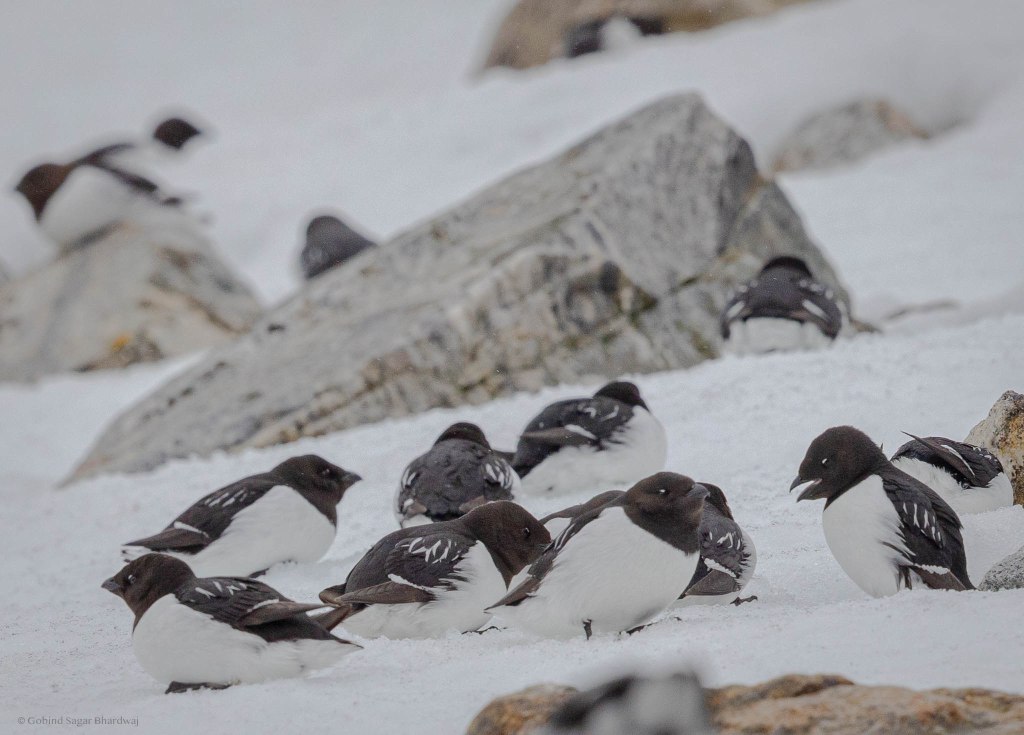
Little Auk 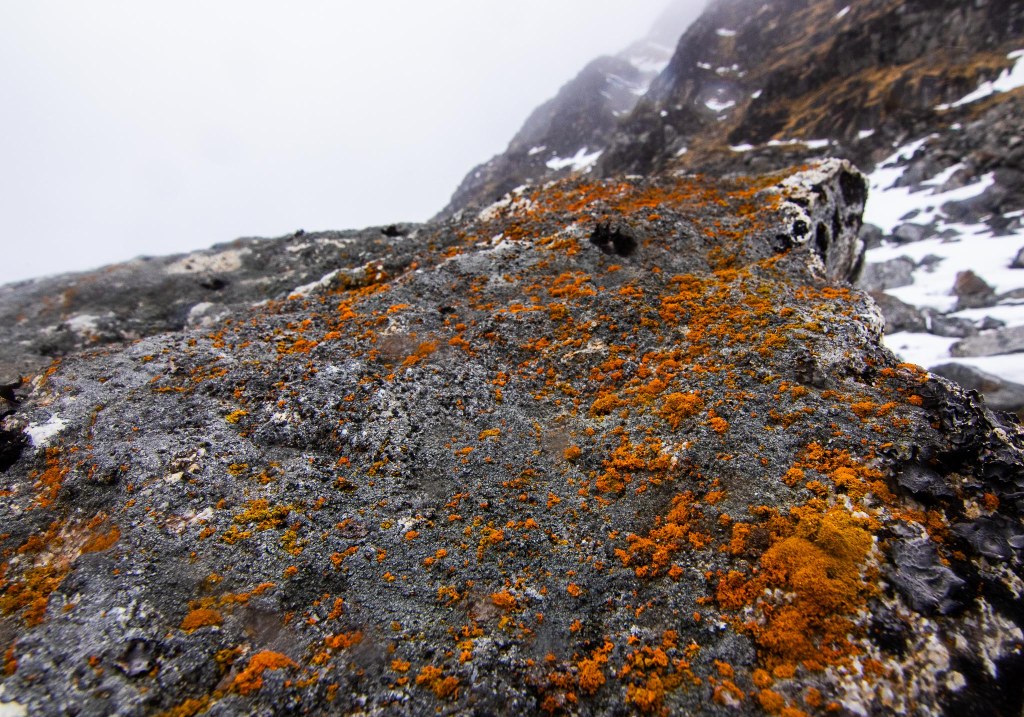
Xanthoria sp of Lichens growing on rock
Little Auk Alle alle, one of the key species of Arctic ecosystem is well known for its gregarious breeding. A planktivorous, this species is an important component of high Arctic ecosystem as it transports large amounts of organic matter from sea to land, fertilizing nutrient deprived Arctic Tundra. Thus, Little Auk that transforms the terrestrial ecosystems across high Arctics is often considered as ecosystem engineer. Its diet consists of mainly zooplankton including a variety of invertebrates including small fish. Owing to its high energy requirement, little auk prefers a copepod called Calanus glacialis having high fat content. As this copepod occurs in oceans with cold currents, changes in ocean currents due to climate change will have considerable impact on this species; especially on the distribution and abundance of their colonies.


A little walk up to the beach and around the southern tip of the island lead us to the Little Auk colonies. We reached a place amongst the rocky scree on the edge of the colony; the sky was full of flying and murmuring Auks, so we waited for the auks to settle. We approached so close to the roosting birds that some us decided to take their pictures with even wide angle lenses. Without disturbing the birds and shooting some of the lichens and flora of the area we came back to our ship and sailed further to south heading for Magdalenefjord, a fjord that is having a retreated glacier called Waggonbaygreen narrating a anthropogenic engineered climate history.
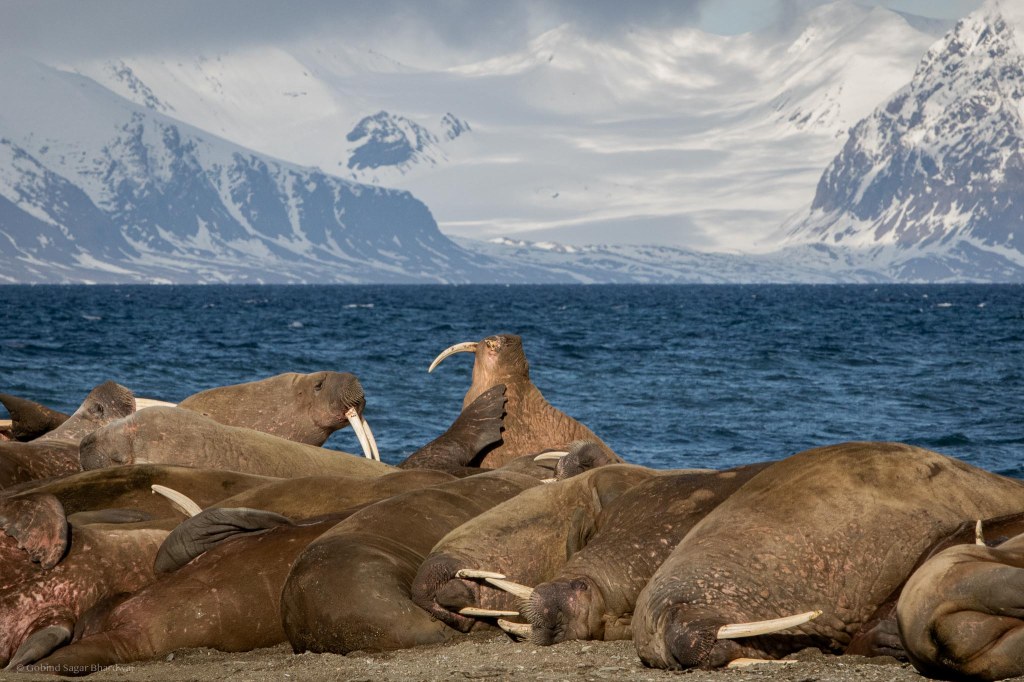
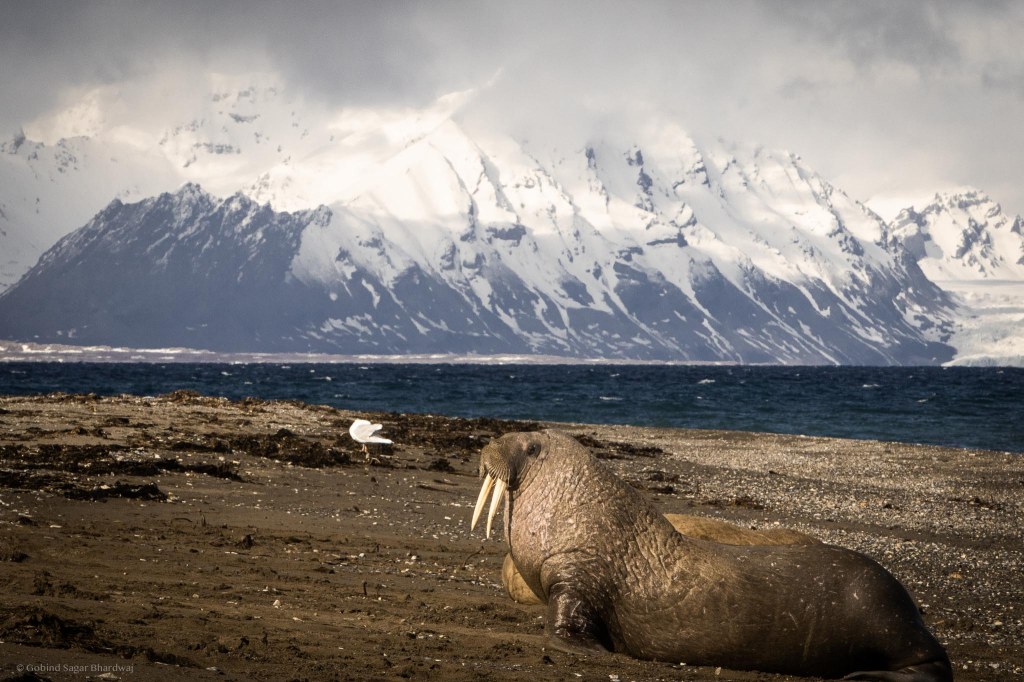
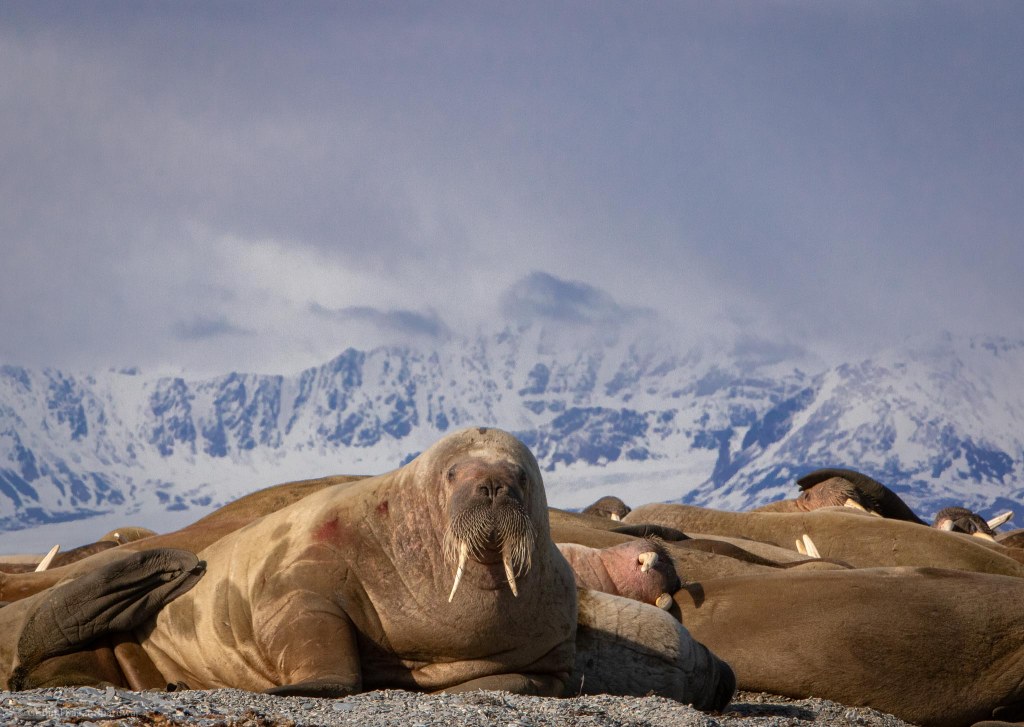
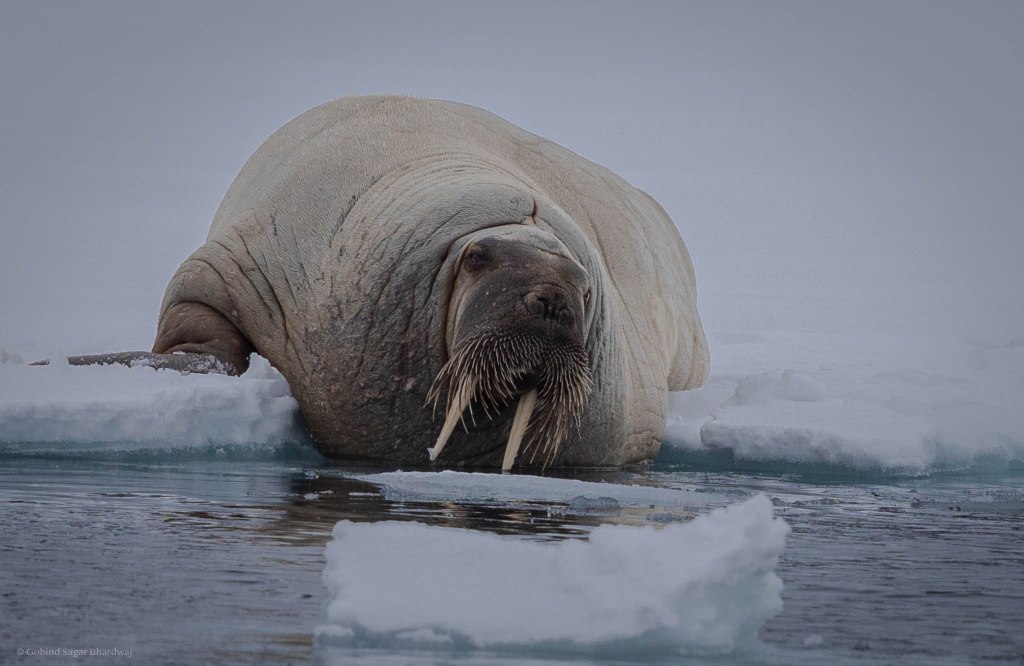
By evening we were in the Magdalenefjord, a fjord which is 8 km long and 5 km in width, wide enough to accommodate largest of a cruise ship. Zodiacs took us to Gullybukta Bay well known for Walrus colony. William Barrents who first explored Magdalenefjord in 1596 and named the bay as Tusk bay as he found Walrus tusks in the bay. When we landed the bay a pair of Purple Sandpipers was seen foraging across the shore. A large colony of more than 50 walrus Odobenus rosmarus were seen roosting leisurely on the ground. Consisting of two subspecies, Atlantic and Pacific, walruses always remind us of the story of the white seal in Rudyard Kipling classic Jungle Book. Another narrative poem, “The Walrus and the Carpenter”, in “Through the Looking-Glass”, by Lewis Carroll was published in 1871 also talks about walrus. Walruses are large pinniped marine mammals, relatively long-lived, social animals and are considered as keystone species in Arctic ecosystem. Mature individuals having tusks and whiskers can weigh up to 2000 kilograms. Tusks are actually the modification of canines and are used for digging, crawling, self-defence or even showing dominance in the colony.

Their diet mainly consists of bivalves, crustaceans and other molluscs or even slow moving fish. The skin is without any hair or fur and is highly thick and wrinkled. A thick layer of adipose tissue below the skin is called blubber; that serves as an insulator, an adaptation for the animal to survive in sub zero temperatures. In past especially in 18th and 19th centuries walruses were heavily exploited for skin, fat, food and tusks.
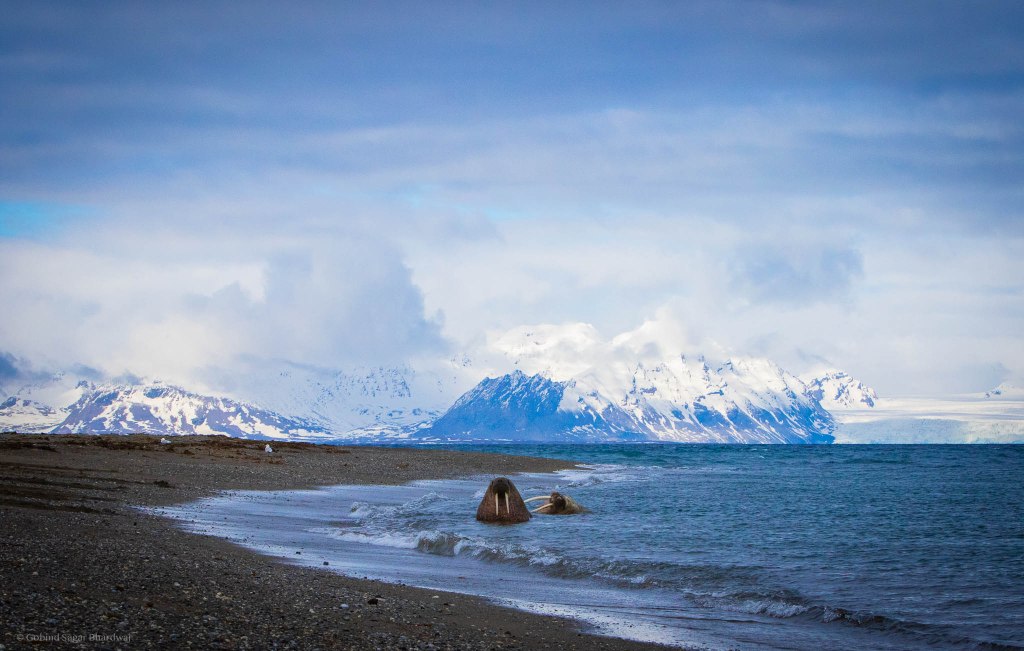
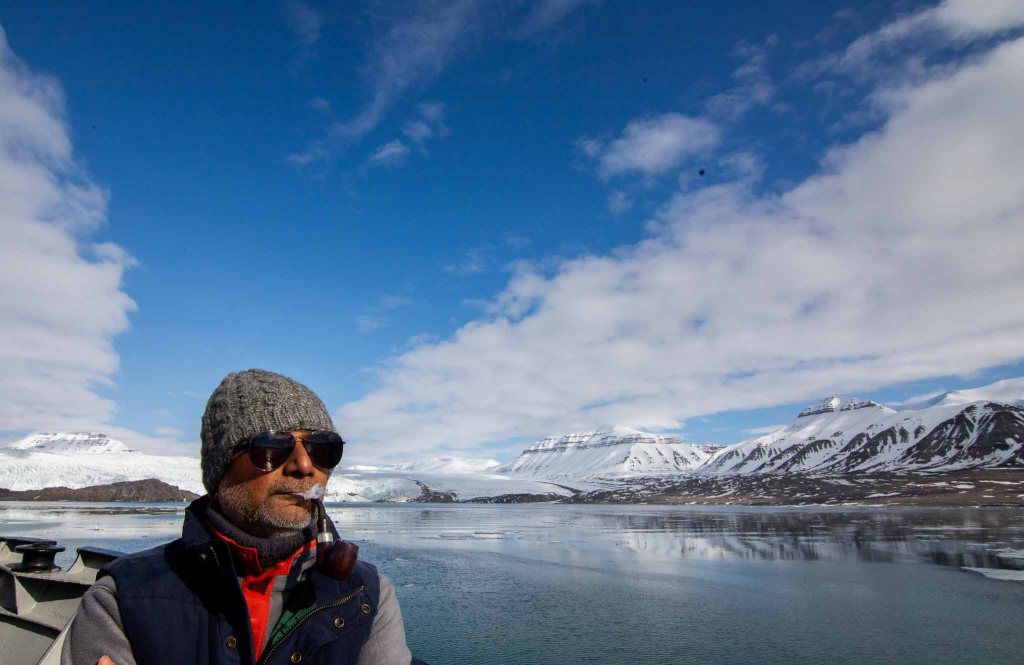
Evening was spent on front deck with cocktails and Pizza followed by an adventurous Polar plunge! We all were enjoying Vodka and puffing smoke from pipes in front of live but retreating Wagonwaybreen, a glacier of 7 km length debouching at the head of Magdalenefjord. Nearby, the moraine of Miethebreen, a dead glacier pensively stared the smoky puffs off our cigars.
Day 8 (14.6.2023)
The day of Ice, Icebergs and glacier
After leaving the Magdalenefjord, our ship Villa further started sailing south in the open sea towards Lilliehookbreen glacier. Due to sailing in open rough sea there was lot of rolling and pitching of our ship that made many of our mates experience sea sickness. Finally in morning hours we were in Tinareybukta in Mollerfjorden.
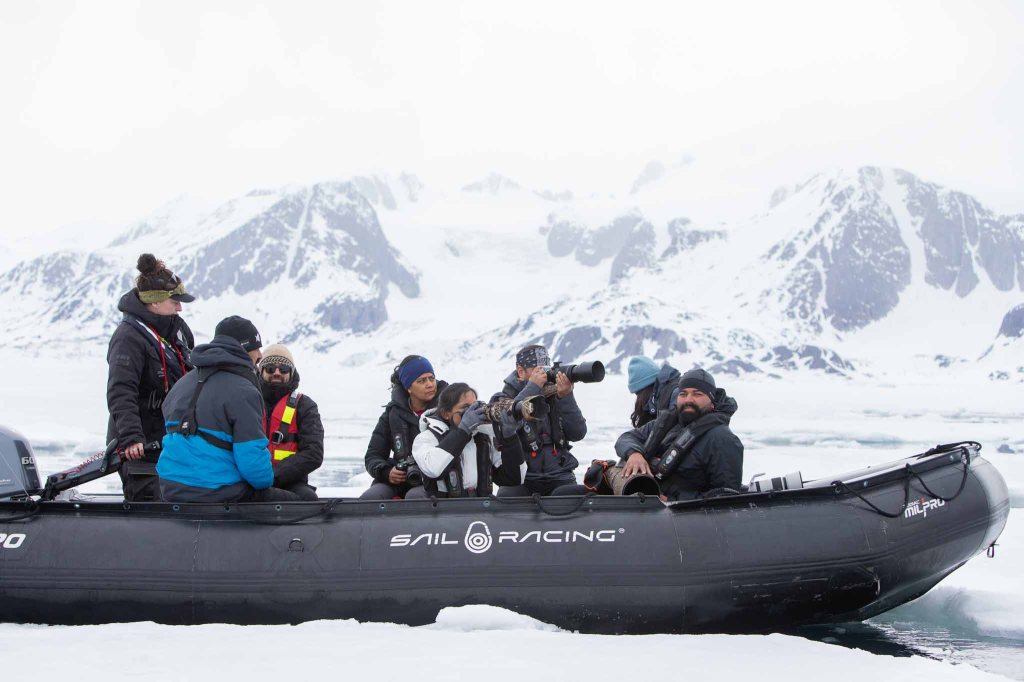

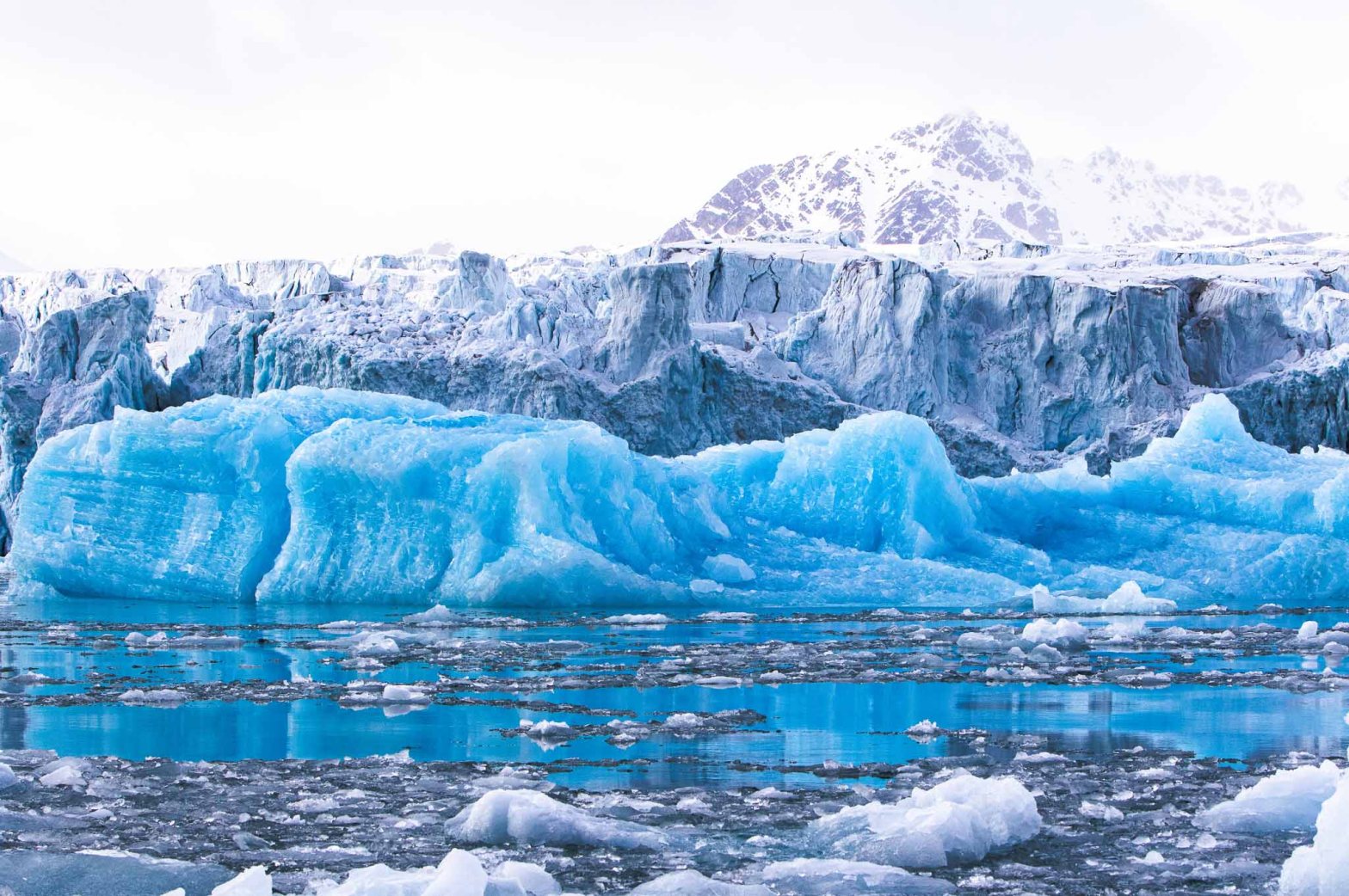
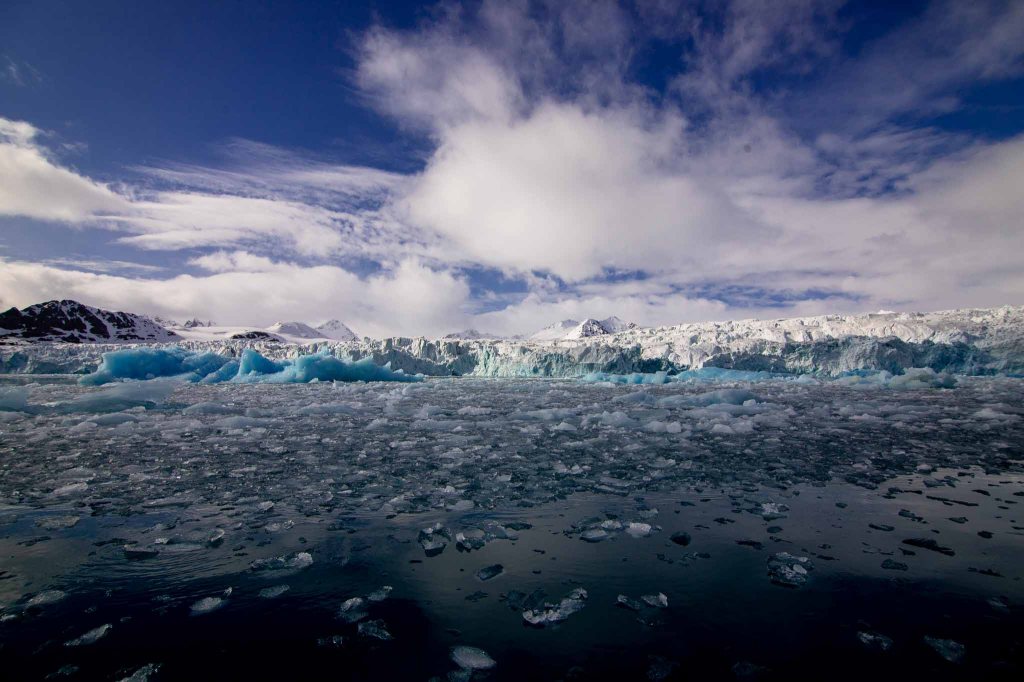
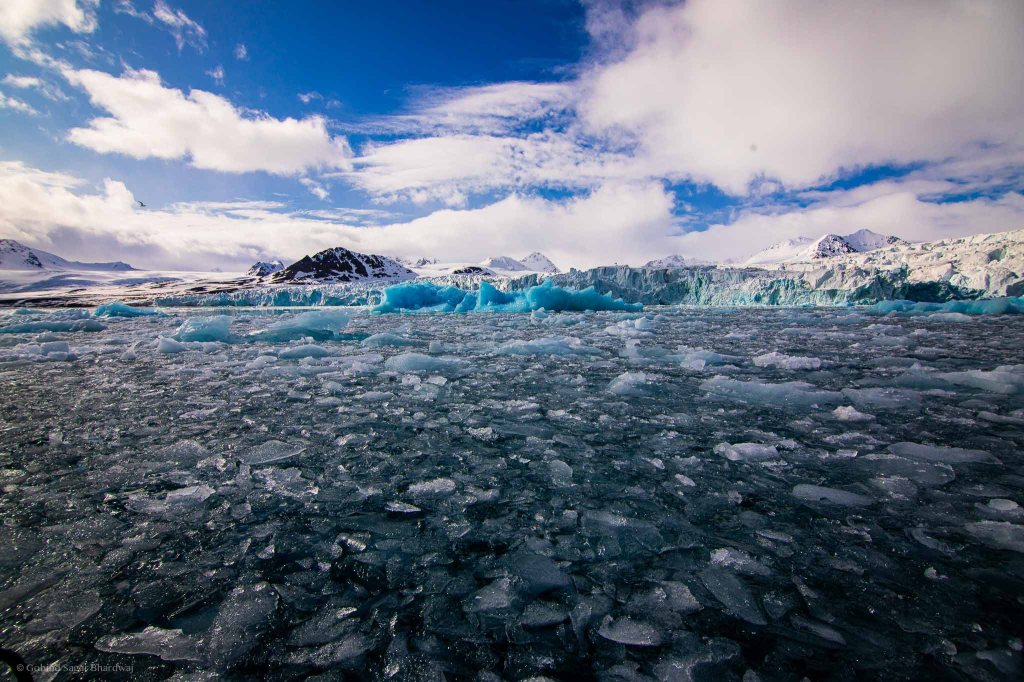
By noon we were in Lilliehookbreen which is a glacier complex of 22 kilometres in Albert Island and debouches into Lilliehookfjorden. Filled with calved icebergs, this fourteen kilometre long fjord is having this glacier at the northern end which is one of the largest on Svalbard. The narrow fjord is often filled with icebergs of all shapes and sizes, created by calving ice from this immense glacier.

These icebergs in all shades of turquoise are like floating gems embellishing the deep blue sea. Both the glacier and the fjord are named after the Swedish commander Gustaf BertilLilliehöök, who in 1861 participated in the Swedish expedition to Spitsbergen led by Otto Torell. The world’s glaciers are sensitive monitors of climate conditions and are crucial to scientists for gauging sea levels and the planet’s water resources.

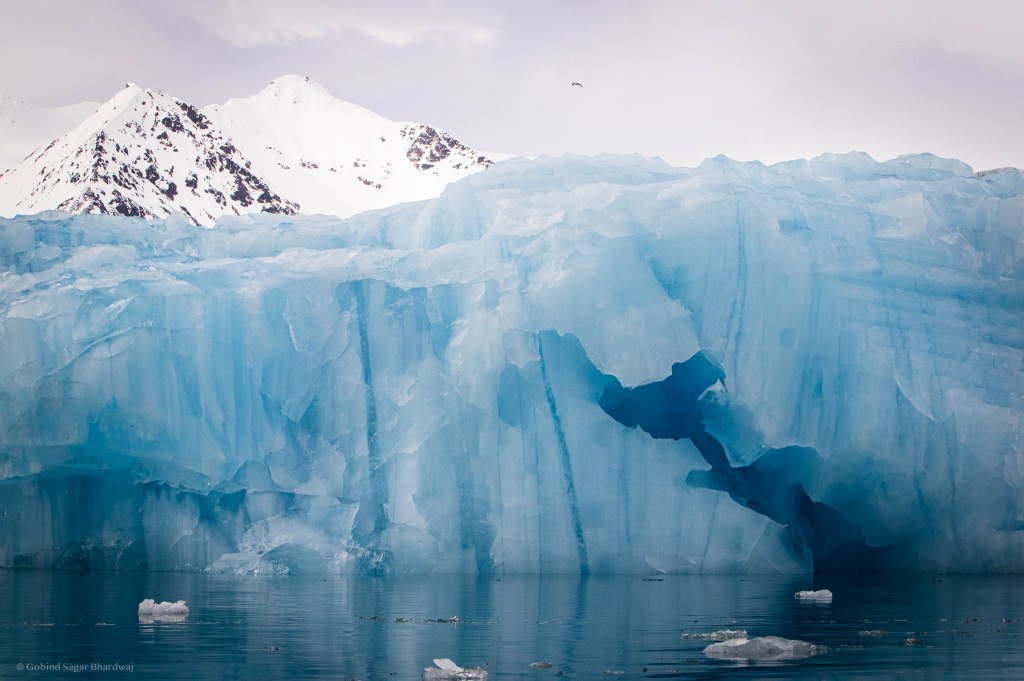


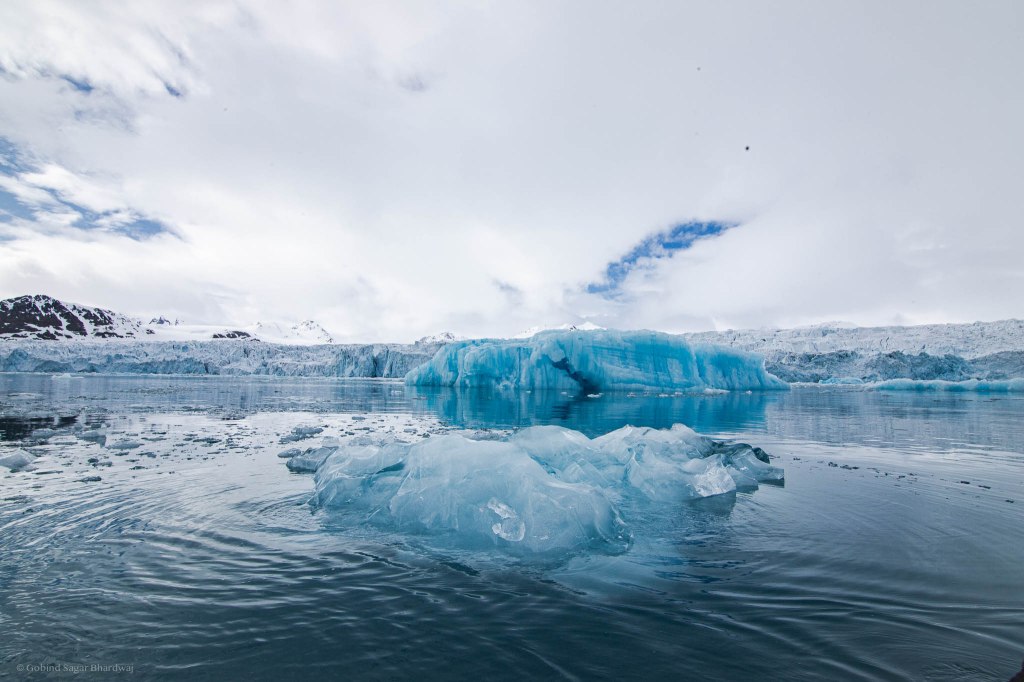
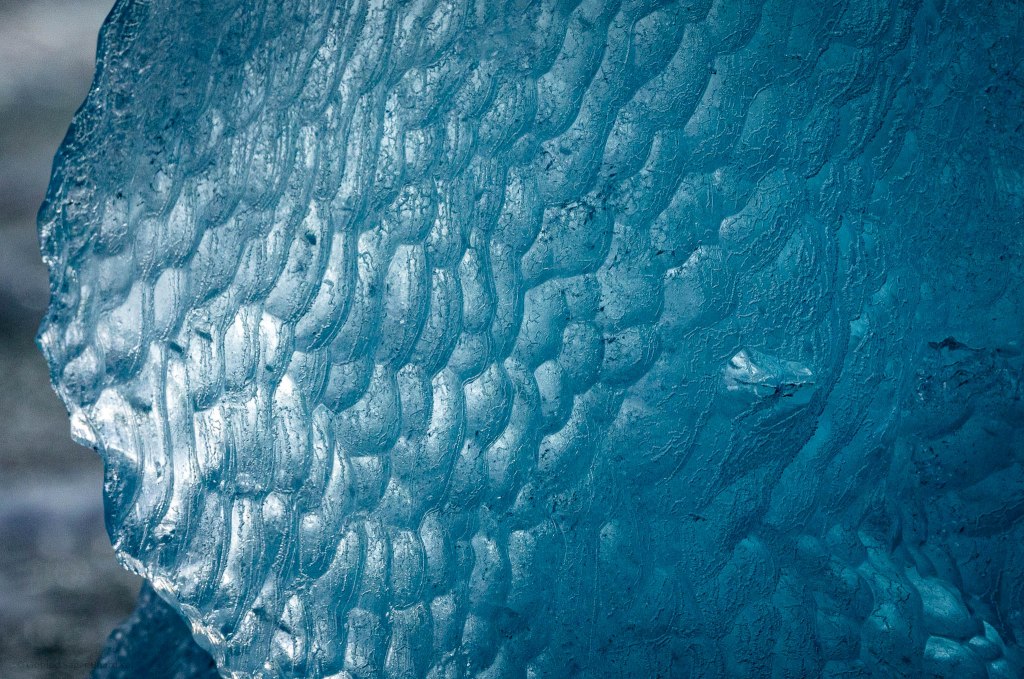
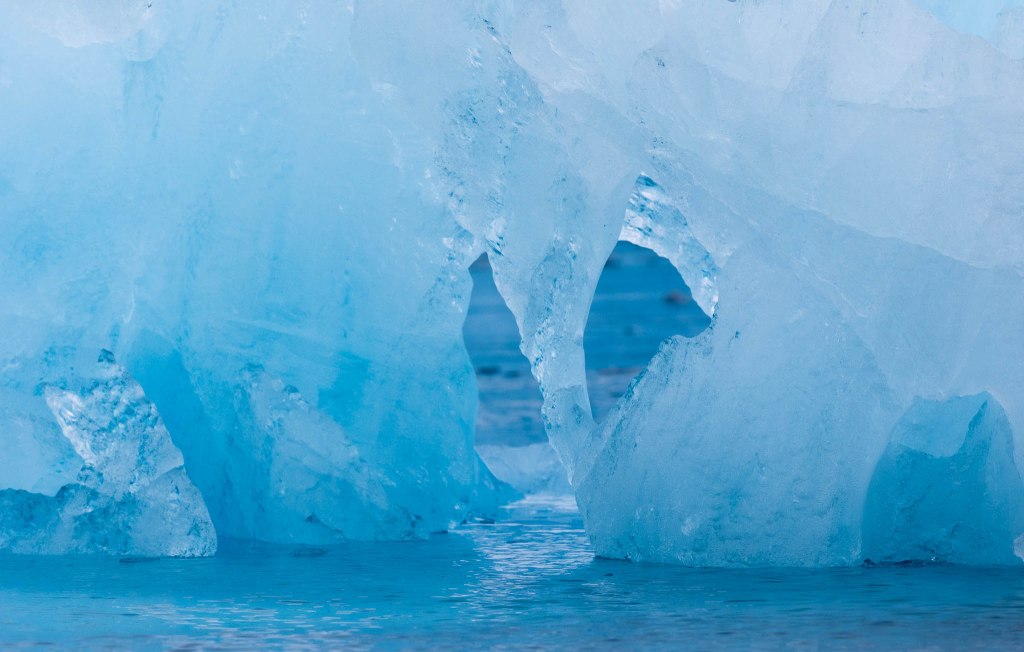
Although the urge of sighting some more polar bears was insatiable but the spectacle of continuous calving of glaciers with thunderous sound was blissfully engaging. The vast spread of smashed brash ice with interspersed icebergs; crackling with ripples, was creating a melodious note to breach the tranquillity of the area.
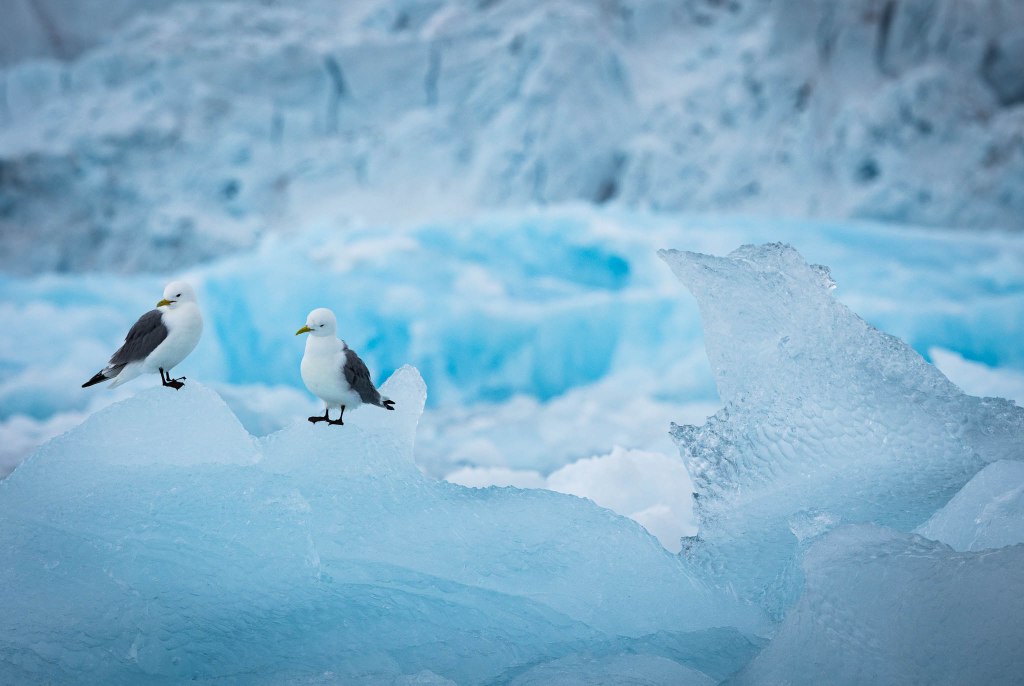
While we were encircling around a turquoise blue iceberg, a pair of skuas were seen mobbing a black-legged Kittiwake, perhaps trying to rob the fish catch from it.

Day 9 (15.6.2023)
Fourteenth of July Glacier
In the morning of fifteenth June we woke up at Fourteenth of July Glacier. Named after 14th of July, the National Day of France, Fjortende Julibreen is a glacier located in Haakon VII land of Spitsbergen in Svalbard archipelago. Extending up to Fjortende Julibukta it covers an area of around 127 km2 with approximate length of around 16 km. This area harbours a well known colony of the Atlantic Puffins, one of the appealing beauties of the arctic region, hence were very much next on our wish list.
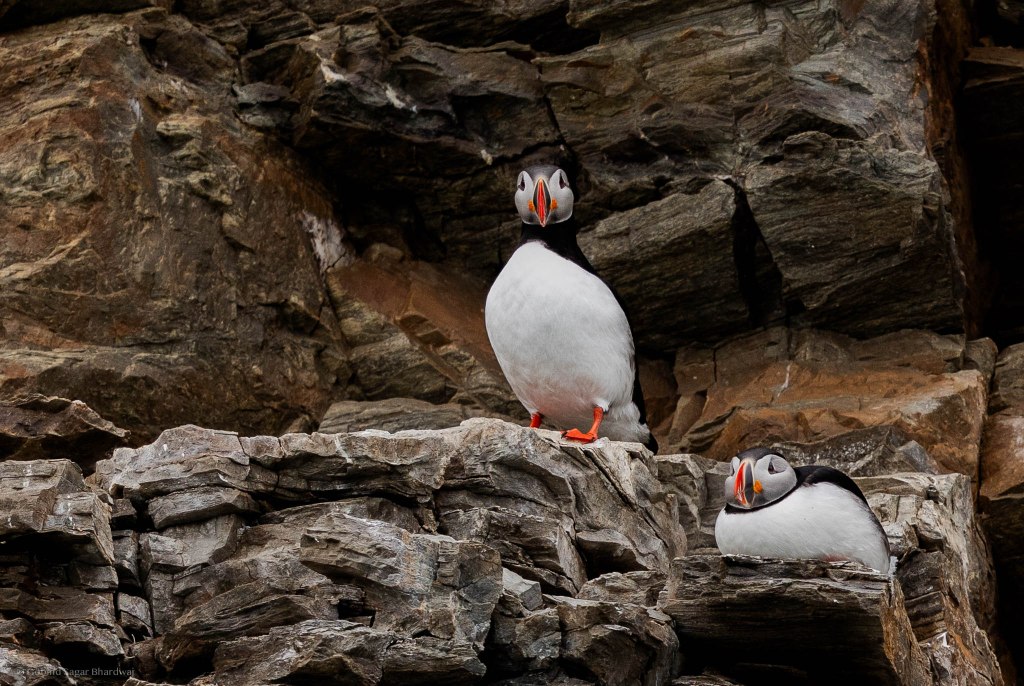
A pair of Atlantic Puffin 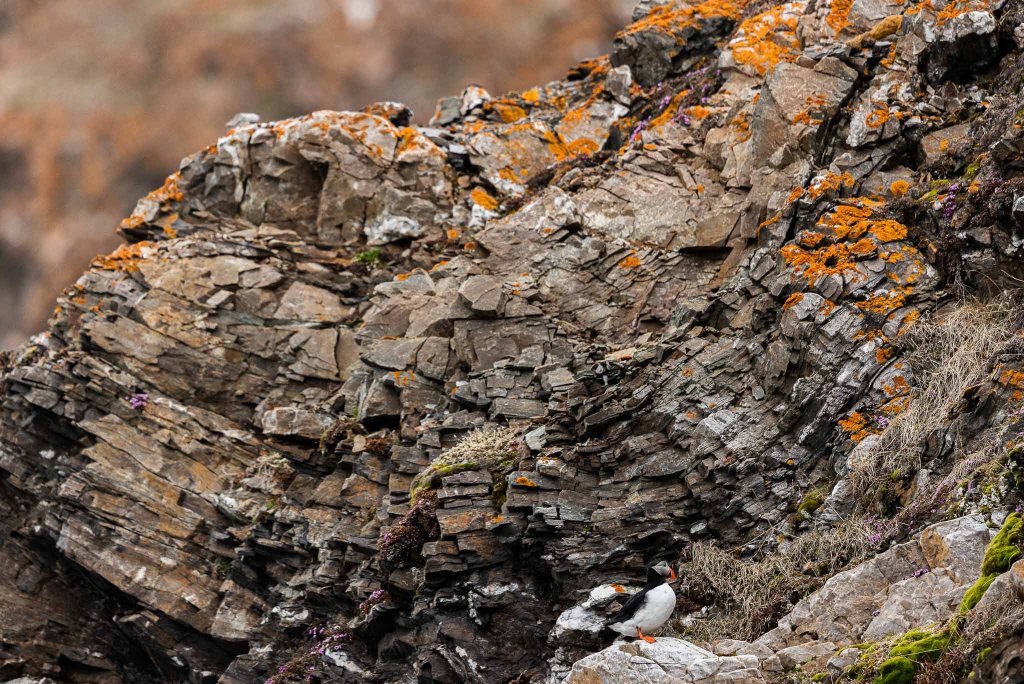
Atlantic Puffin roosting on cliff laden with Lichens and mossed 

Puffin Colony
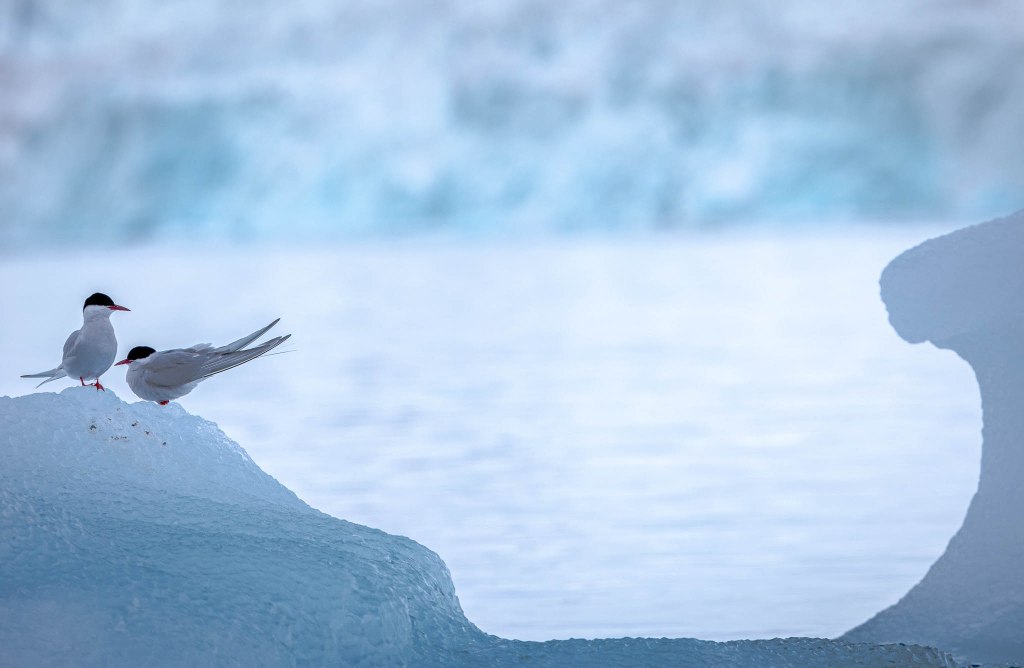
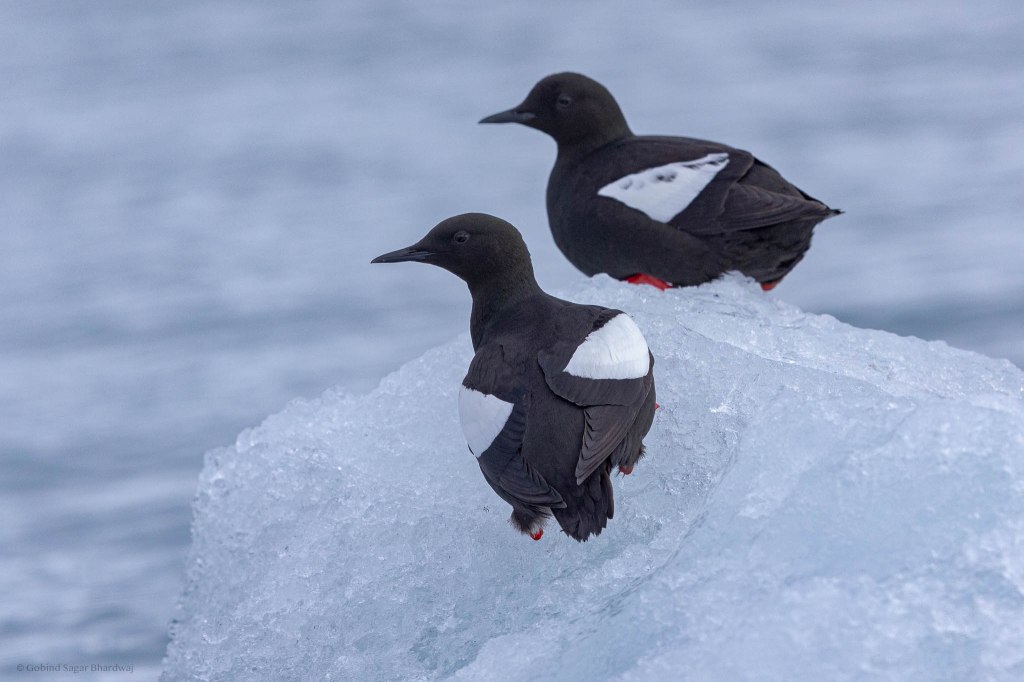
We were heading towards the Puffin colony on our zodiacs with our camera equipments fully ready to capture the show. We could see some puffins flying along our zodiacs. Despite best of our efforts it was really a challenge to bring the birds in our camera frame because of moving zodiac on a wavy sea. Finally we reached the colonies of birds on a vertical hill made of magnetite rock approximate 100 meters high above the sea. The sea waves were continuously hitting the vertical rocks. Atlantic Puffins, Black-legged Kittiwakes, Glaucous Gull, Black Guilemots were breeding on the cliff. Here we got some decent shots of these roosting birds and their small intriguing realm. Evening was spent in Pootepynteen bay watching a huge colony of walrus. By 2200hrs we were near Osbornebreen glacier.
Day 10 (16.6.2023)
Last day of exploration and sailing
It was our concluding day Polar Bear exploration. We sailed through different fjords including Ekmanfjord, Dicksonfjord, Skansbukta and Billiefjord. The eyes of guides those were looking for polar bears, caught seals instead on a sheet of thin ice. As it was nascent nursery ice and crucial habitat for these animals, professional crew and guides under the able leadership of Captain Tarjei avoided going there, respecting the very fragile ecosystem and our vessel retreated back.

A black-legged Kittiwake flying along ship 

Icebergs 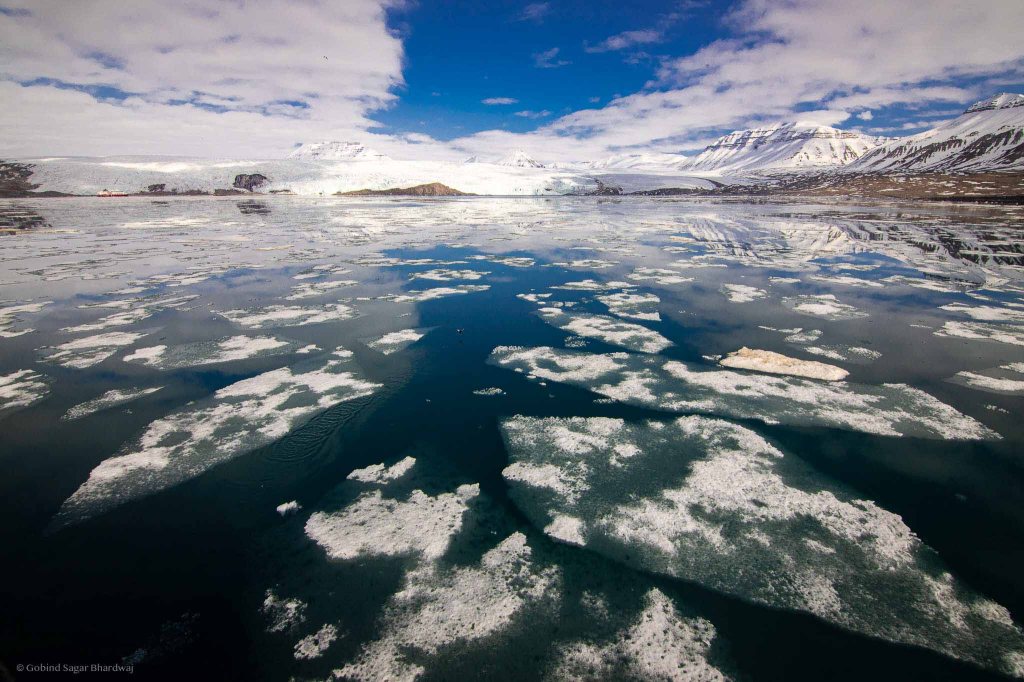
Nascent Ice

We passed Isfjorden, a Russian settlement Pyramiden near Nordenskioldbreen glacier. It is an abandoned Russian settlement meant for coal mining. Initially it was founded by Sweden in 1910, however later it was sold to Soviet Union in 1927. It was closed in 1998 and has remained abandoned until now with most of its infrastructure and buildings still in place because of cold climate that is preserving it. Hundreds of reindeers were grazing on the slopes and meadows of Sassen-Bunsow Land National Park lined with small waterfalls diving straight into the sea. The unique texture of mountains, especially Mountain of Billefjorden was unforgettable.

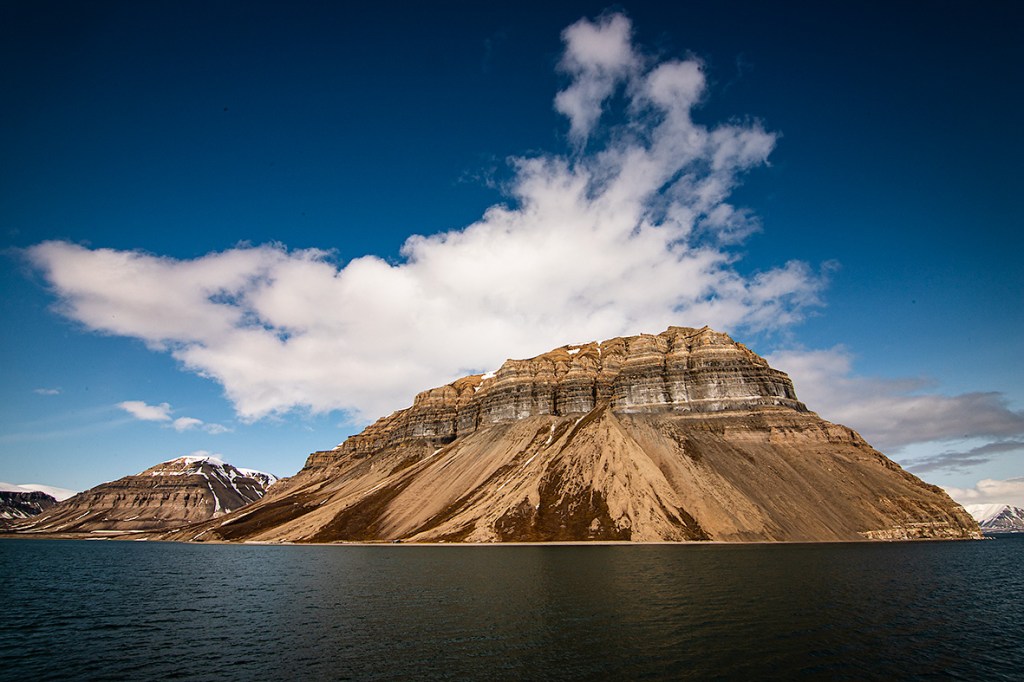

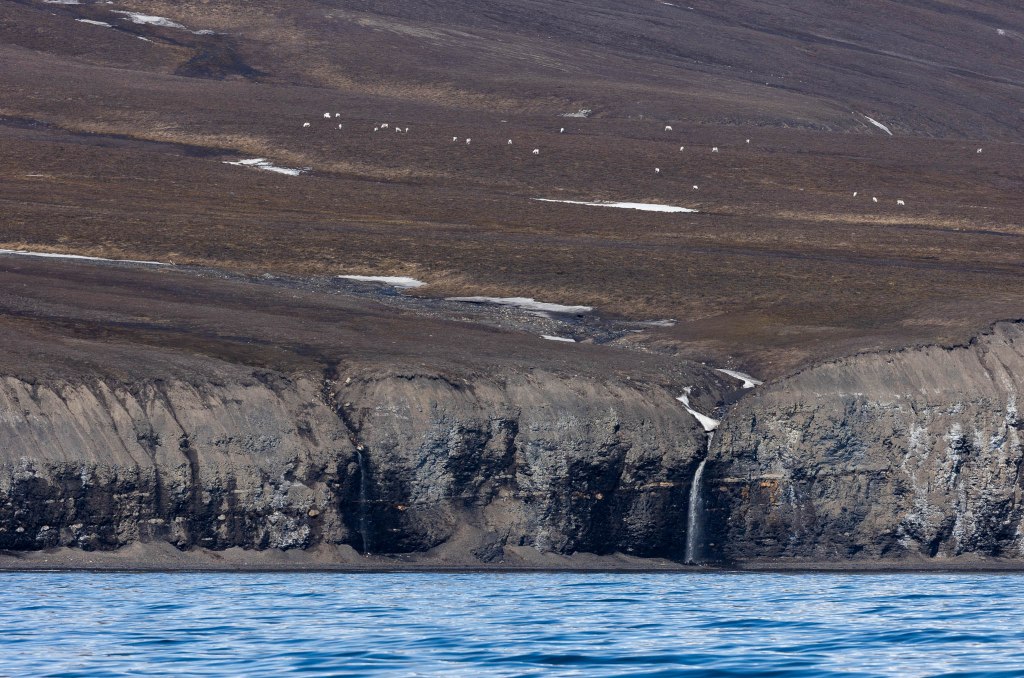
A group of reindeer grazing in meadows
By evening we were back in Longyearbyen. We spent our last night on the Villa and left the ship next morning with exquisite memories and riveting stories of Arctic expedition to share.

As the expedition came to an end, with so many pictures of such a serene beauty stored in our mind and memory drives of our cameras we checked in hotel. Credit goes to Yashpal Rathod, group leader of expedition, for excellently organising the trip including excellent timing, trips and parties. The group of the expedition was about to disperse in different directions. But before that it was party time!
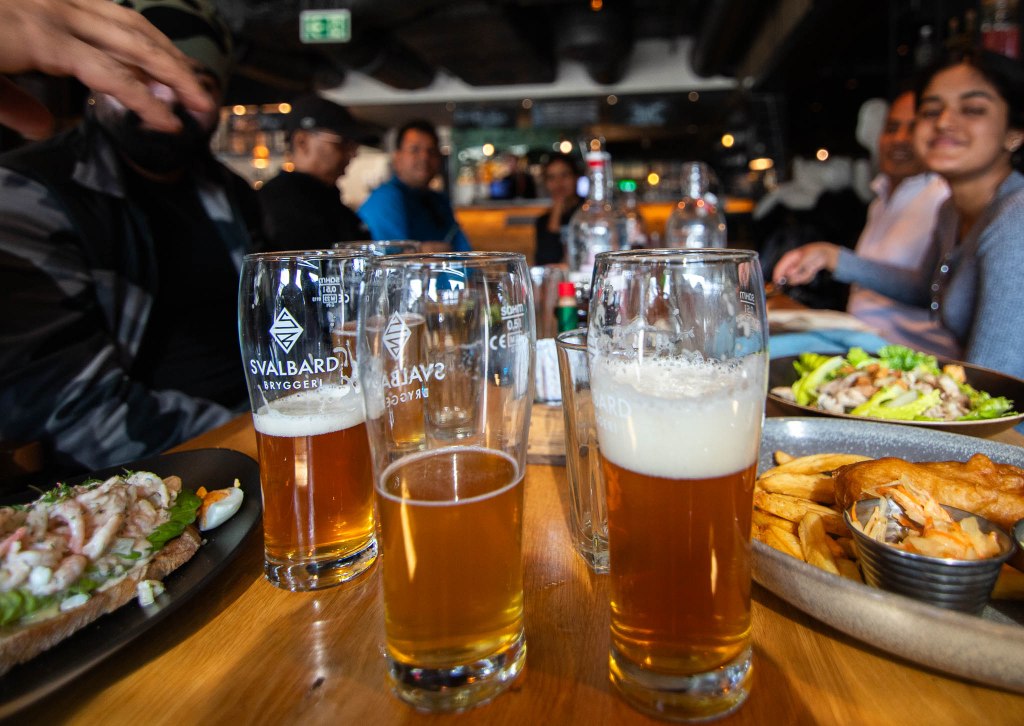
Svalbard had offered us a glimpse into a world so different from our own, a world where survival meant adapting to the harshest conditions, where nature reigned supreme, and where the human spirit soared in the face of adversity. Svalbard Arctic expedition had transformed us. It had taught us humility and respect for the Earth’s delicate ecosystems, and it had awakened a deep desire to protect and preserve these extraordinary places for future generations. Especially, after witnessing the scars left behind on the barren faces of front mouths of glaciers due their continuous receding. Climate change linked to cumulative effect of carbon emissions especially from fossil fuels associated and other anthropogenic activities from every part of the globe have been witnessed during this small expedition in Arctic. Thus, leaving Arctic was bittersweet, but we carried its spirit within us in the form of beautiful images of its serene beauty both in our minds and even in our memory cards of our cameras. Our expedition was over but the magic prevailed. The Arctic expedition had left an memorable mark on our minds, reminding us that the greatest adventures often lay in the exploration of the unknown and that our planet’s wonders are meant to be cherished and safeguarded. However, while witnessing the interaction of a Polar Bear cub with a ship “Quest”, I keep wondering about this quest of humans to explore more that always lead to human-wild interface that ultimately results in negative interaction, a phrase that what we call Human-wildlife conflict. Although the spell of the beauty of this serene world had left an unforgettable mark on our minds, but the potential threat to this unique ecosystem due to climate change and our un-necessary pressure on the Arctic system has somewhat transformed us and inculcated a compassion for this delicate ecosystem which needs to be preserved first for local denizens and for coming generations. We are now pledged for protection and preservation of this amazing landscape which deserves to be cherished and safeguarded.


Beautifullt written thanks for sharing. Mr Govind Sagar Bhardwaj is a keen Wild lifer always contribute to Wild life conservation. Best of luck
LikeLike
Thanks..
LikeLike
Great read Sir, every day of this memorable expedition came back to life while reading it.
LikeLiked by 1 person